What will outdoor spaces for children look like in 2026? More natural, more flexible, and much more intentional. Today’s parents aren’t just looking for fun — they want kids outdoor play area ideas that support creativity, independence, and everyday Play, even in small or rented spaces. From cheap diy kids outdoor play area ideas to thoughtful playground design backyard solutions, this guide explores practical, stylish, and realistic ways to create outdoor areas kids actually use.
I’ll walk you through ideas that balance safety, imagination, and real-life budgets — and yes, I’ve tested many of them myself.
Kids Outdoor Play Area Ideas That Encourage Everyday Play
I always start with zones that invite spontaneous play, not just scheduled outdoor time. The most successful kids outdoor play area ideas feel open and flexible, with clear visual cues that say “you can use this anytime.” In 2026, that means combining soft ground surfaces, modular elements, and open circulation so kids can move freely between activities without barriers.
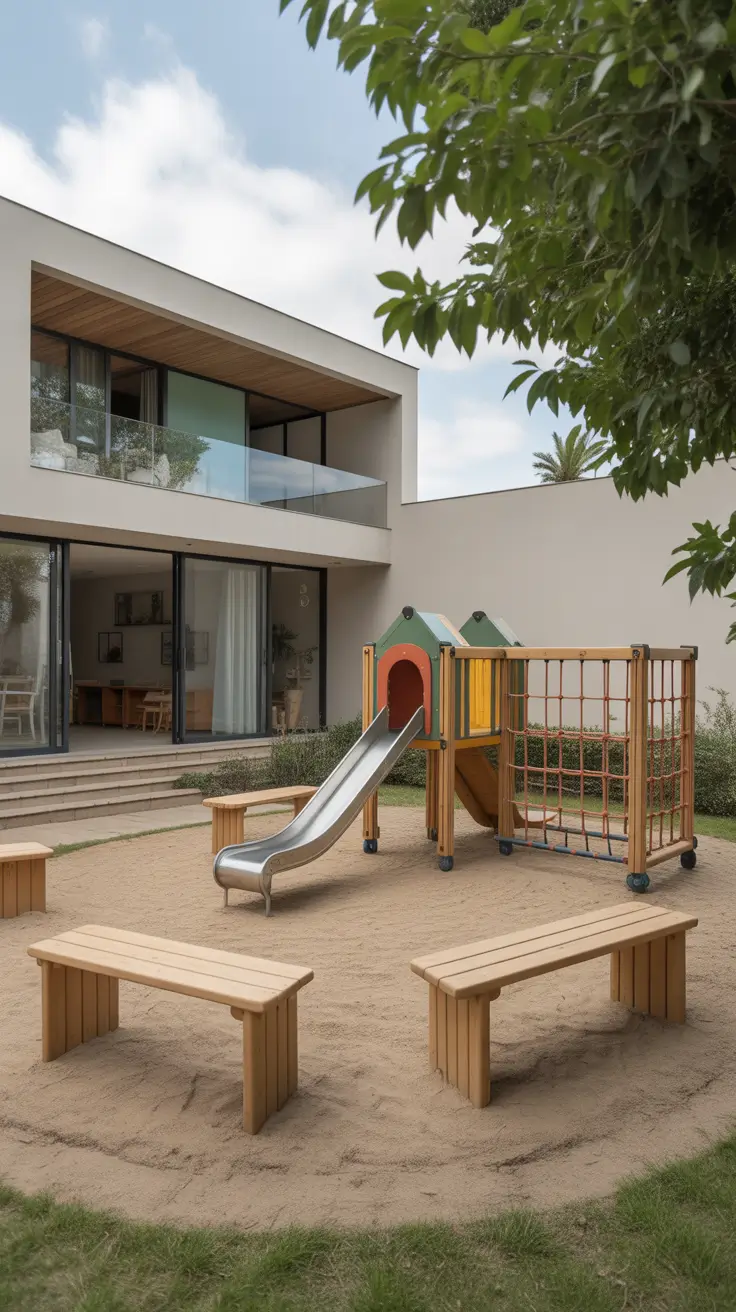
For furniture and layout, I rely on low-profile benches, movable stools, and simple climbing features made from wood or coated metal. These elements support both active Play and quieter moments. I like including storage boxes that double as seating — practical, safe, and easy to reset at the end of the day.
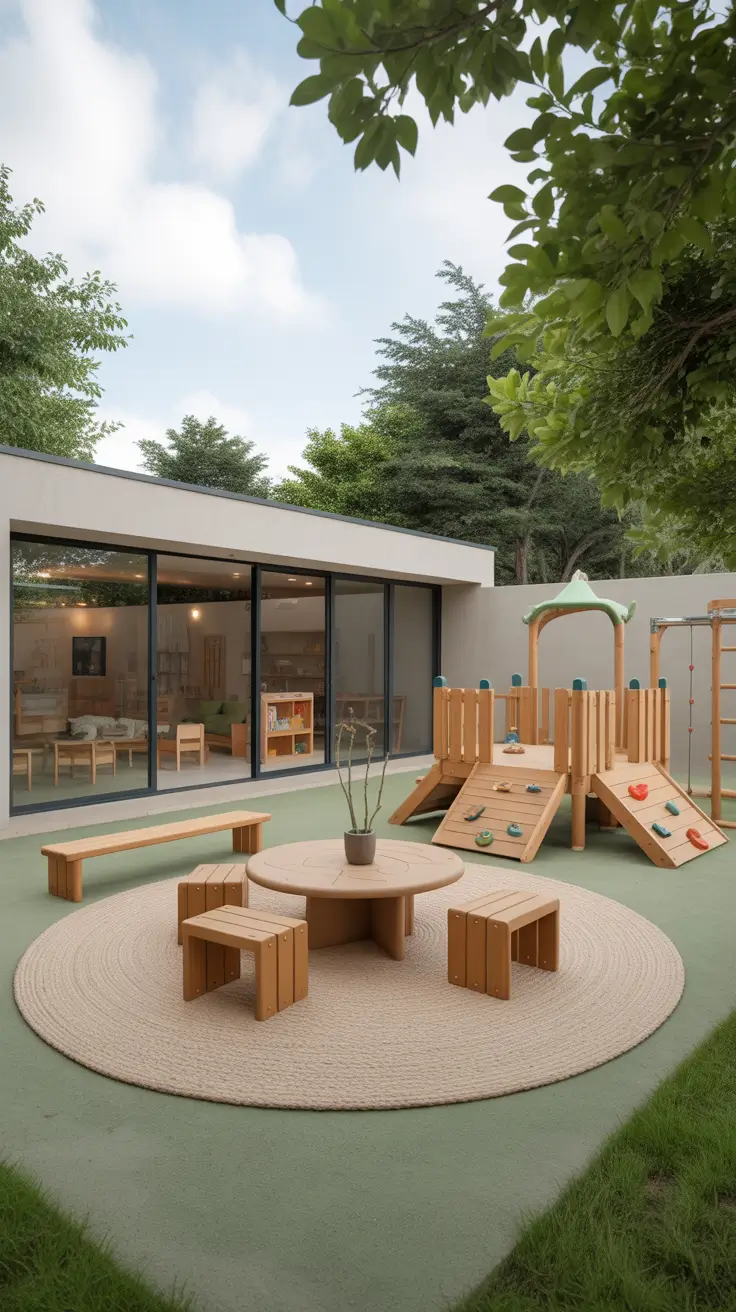
From experience, everyday play areas work best when they don’t feel overdesigned. As Architectural Digest often notes, children engage longer with spaces that allow interpretation rather than instruction. I’ve seen kids invent games faster in open layouts than in overly themed setups.
What’s often missing here is shade. I would always add a sail canopy or pergola to make the area usable throughout the day and protect materials from weather.
Cheap DIY Kids Outdoor Play Area Ideas That Actually Look Good
When working with cheap diy kids outdoor play area ideas, my focus is durability and visual calm. Budget-friendly doesn’t mean cluttered. In fact, simple materials like treated pine, rope, and recycled plastic can look intentional when used consistently across the space.
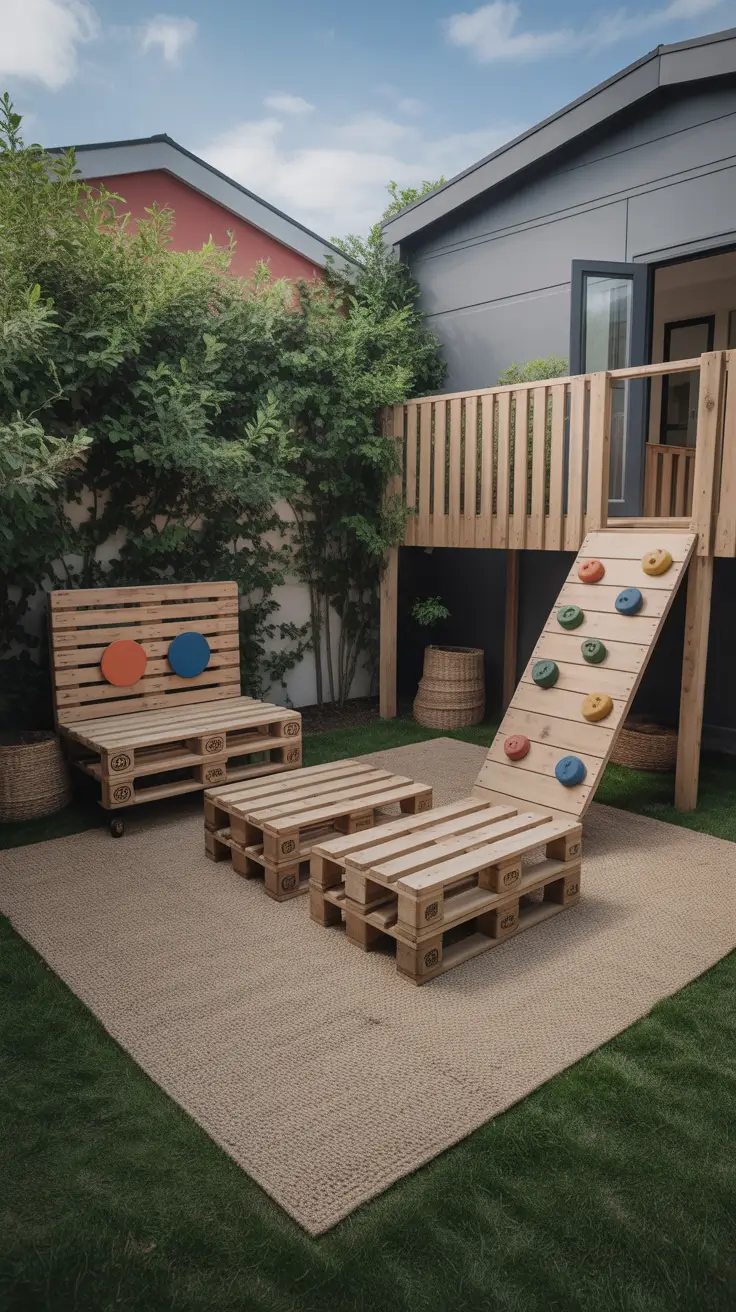
I usually recommend starting with one strong DIY feature — a balance beam, mini climbing wall, or chalkboard fence — and building around it. Pallets, crates, and basic lumber work beautifully here, especially for families planning A budget-friendly setup that can evolve over time.
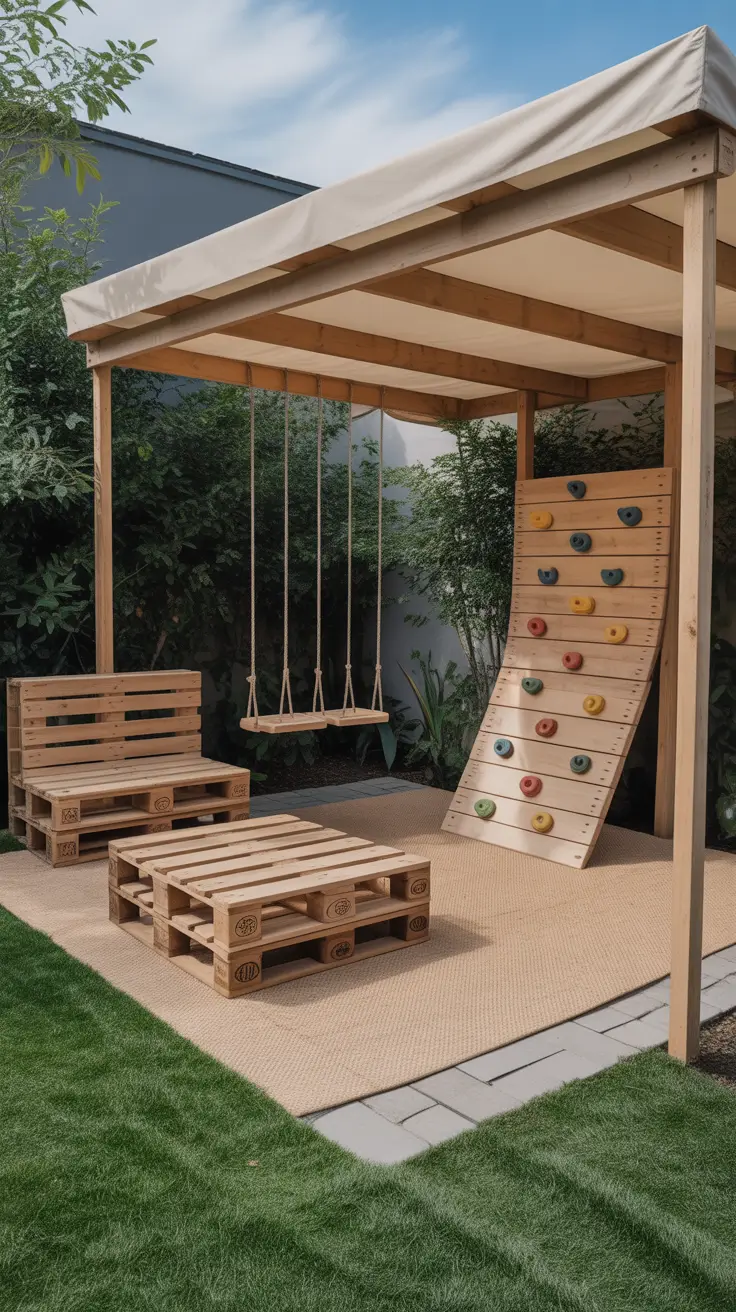
Personally, I’ve learned that paint choice matters more than cost. Neutral or nature-based colors instantly elevate DIY projects. Designers from HGTV frequently emphasize that muted palettes help outdoor play areas feel cohesive rather than chaotic.
What I’d still add to most DIY setups is better ground coverage. Even simple gravel zones or playground design rubber mulch dramatically improve safety and comfort.
DIY Kids Outdoor Play Area Ideas For The Garden
A garden is one of the most versatile backdrops for diy kids outdoor play area ideas garden concepts. I approach these spaces as hybrids — part Play garden, part learning environment. In 2026, garden play areas are less about equipment and more about interaction with nature.
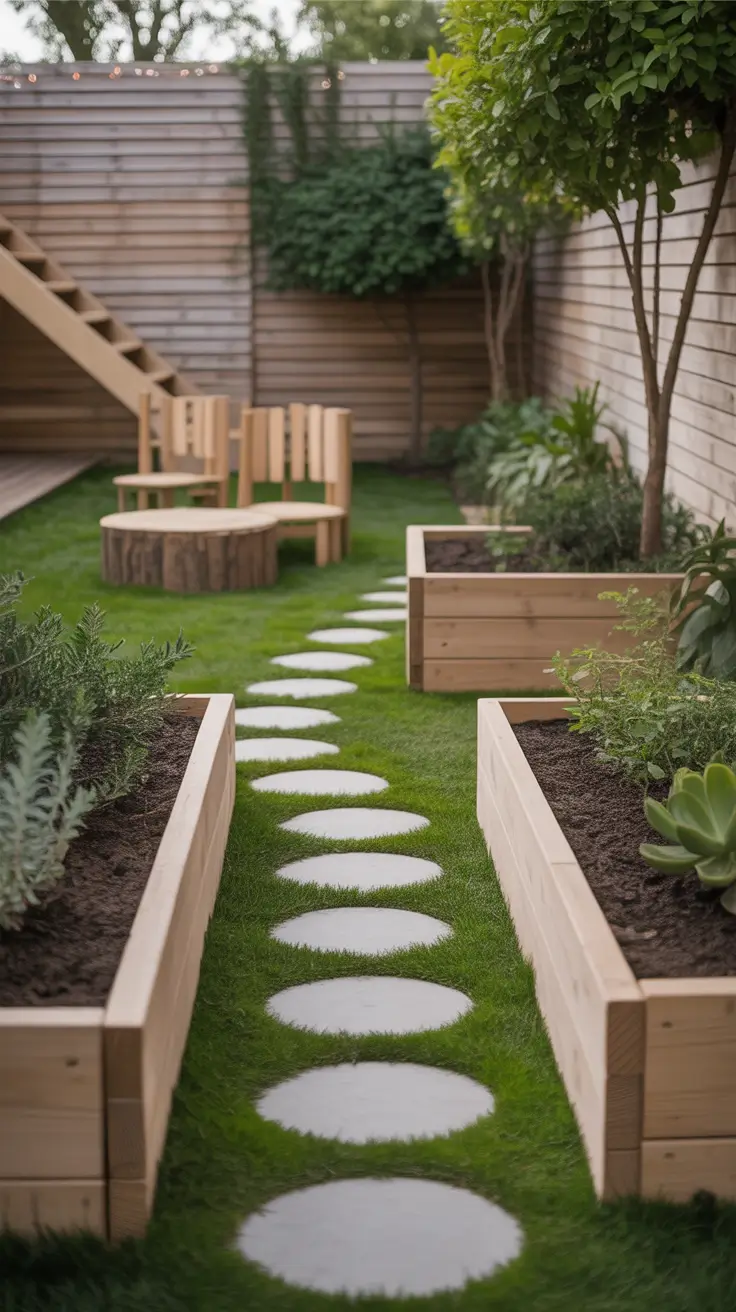
Raised beds, stepping stones, and small digging zones help kids connect with soil, plants, and seasonal change. I often integrate child-height planters and log seating to blend play seamlessly into the garden layout.
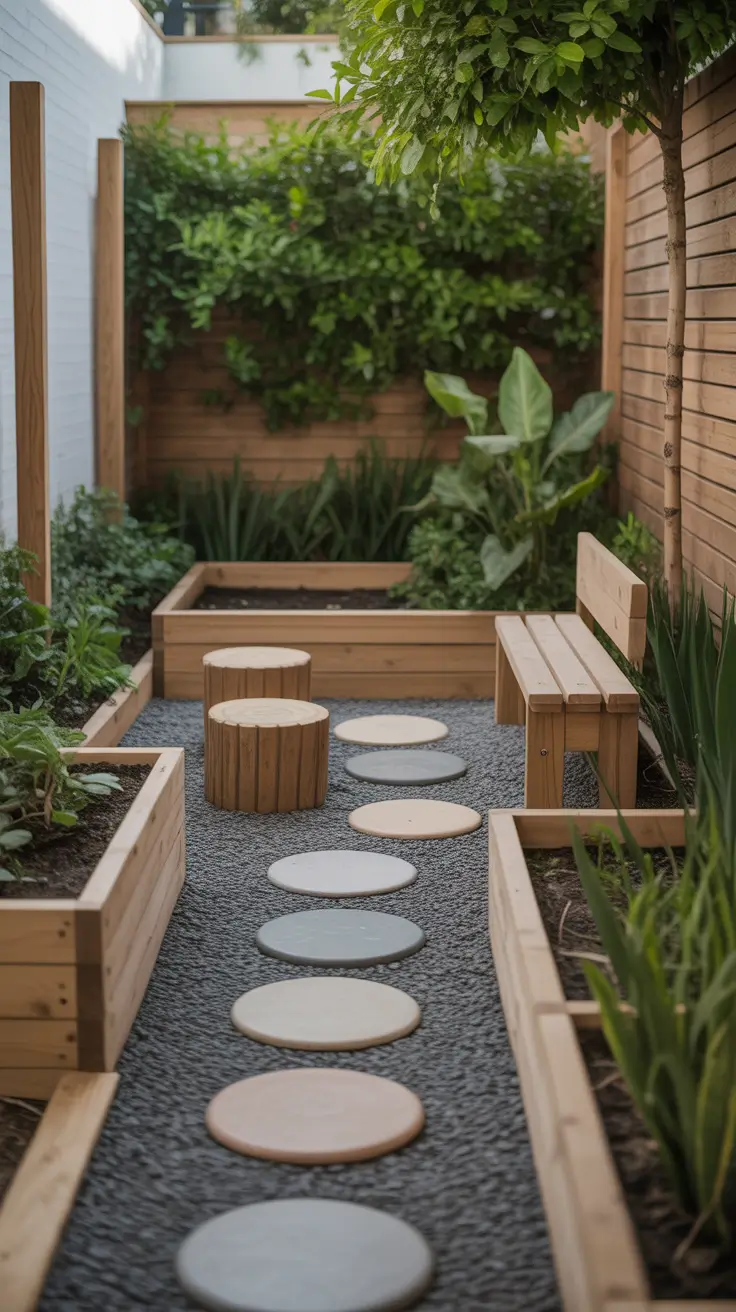
From my own projects, kids engage longer when they’re allowed to “care” for something outdoors. Landscape designers cited by Better Homes & Gardens consistently highlight gardening as a tool for emotional development and patience.
What’s often missing here is water access. I would always add a simple water tap or basin nearby for Water play and easy cleanup after gardening activities.
Outdoor Play Area For Kids Playground Ideas With Jungle Gym Fun
A classic outdoor play area for kids playground ideas jungle gym setup still holds strong in 2026 — but it’s more refined. I prefer integrated jungle gyms that feel architectural rather than bulky, blending into the backyard instead of dominating it.
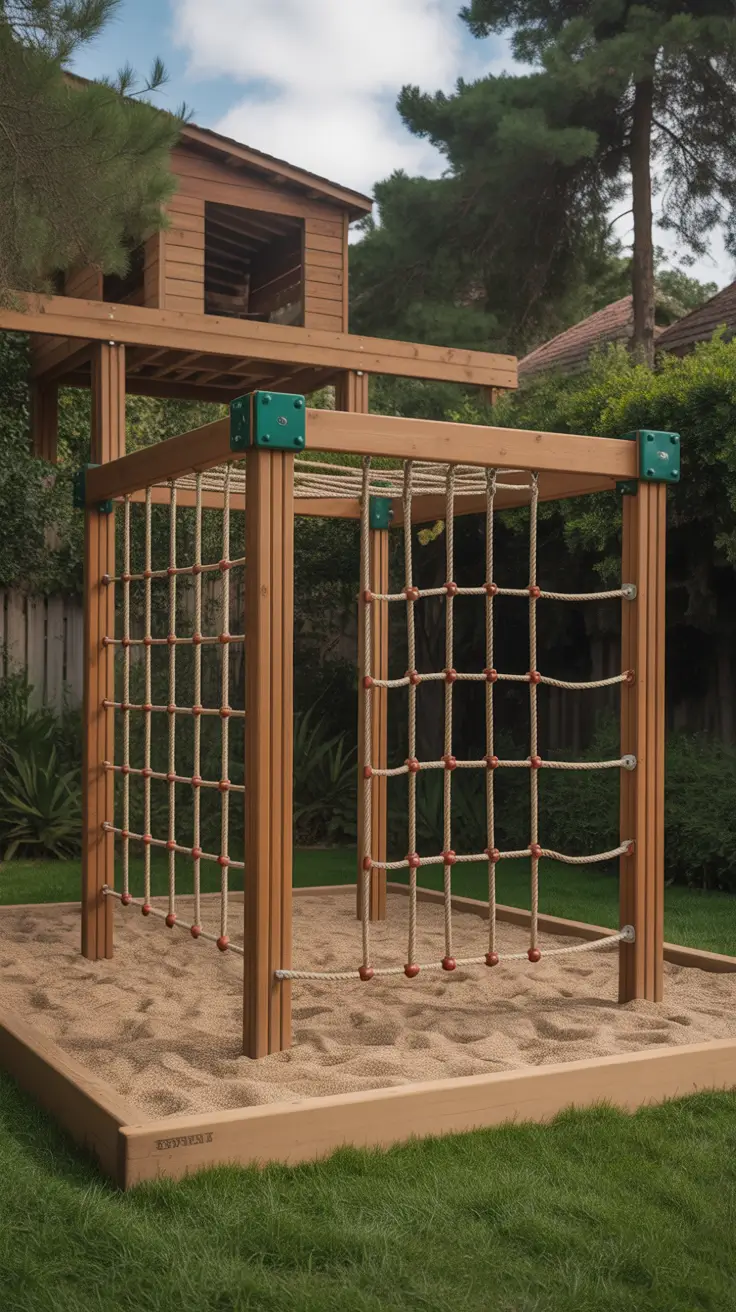
The best designs combine climbing, hanging, and lookout elements while maintaining open sightlines for supervision. Natural wood frames and rope features align well with modern playground design plan principles.
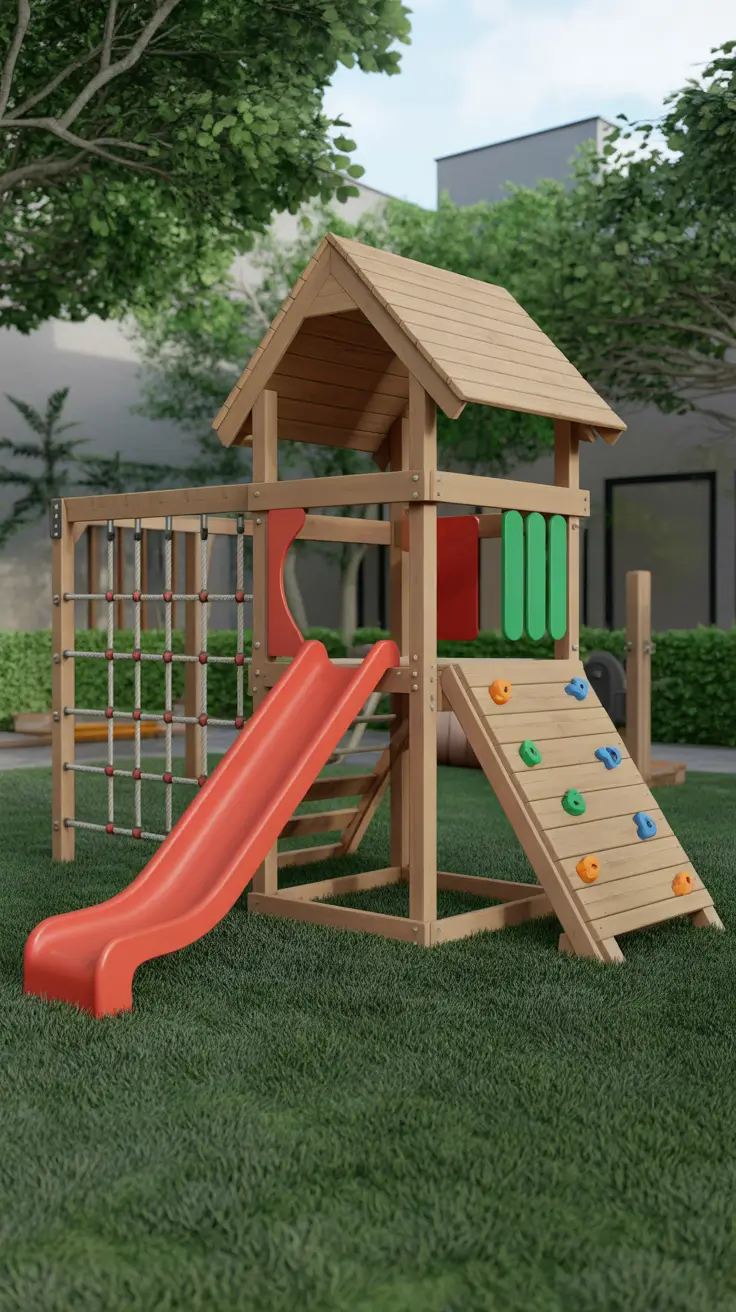
I’ve noticed kids stay engaged longer when jungle gyms offer multiple difficulty levels. Experts from The American Academy of Pediatrics emphasize varied movement as key to physical development, and these structures support exactly that.
What I’d add to many jungle gym areas is a calm-down zone nearby — a bench or sitting nook to balance high-energy play.
Kids Outdoor Play Area Ideas With Rubber Tile Playground Design
Safety-driven kids outdoor play area ideas playground design rubber tiles are becoming standard in 2026, especially in family backyards. Rubber tiles create a clean, modern foundation that supports both active and creative play.
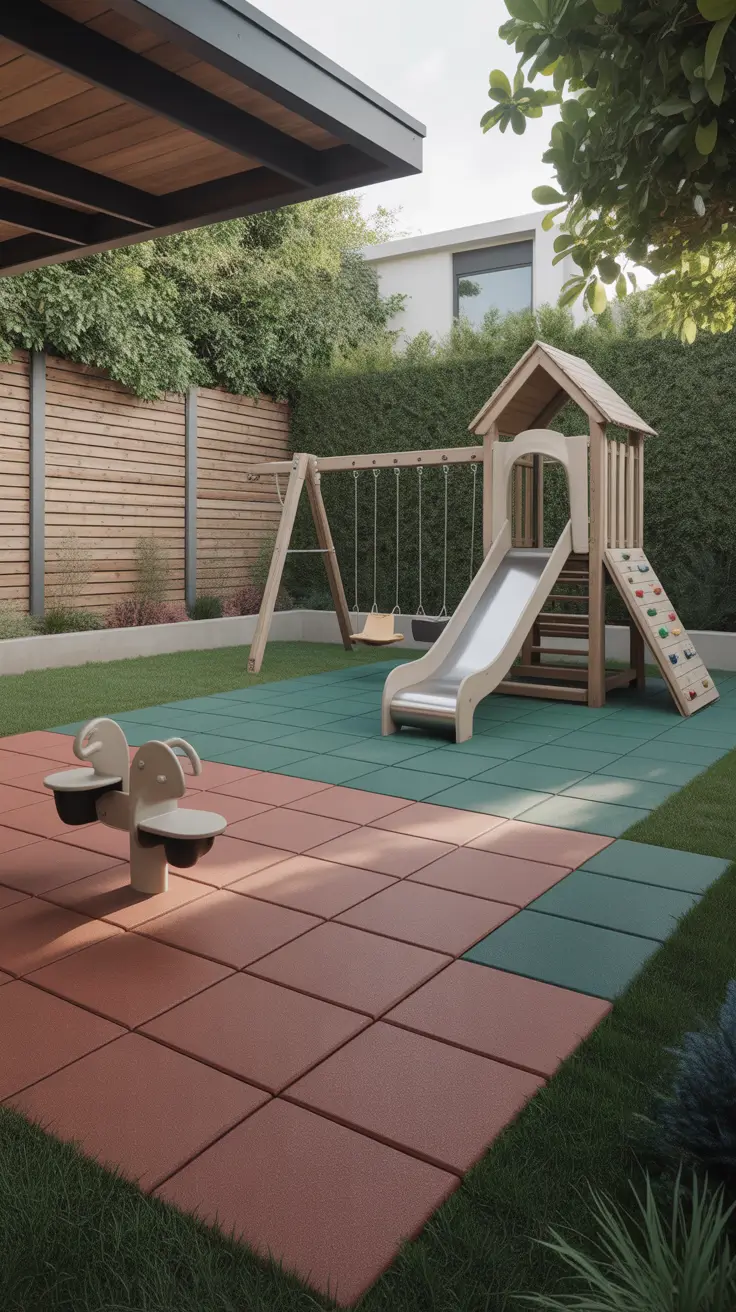
I often pair rubber tiles with minimalist equipment — swings, balance paths, or art panels — so the flooring doesn’t feel overly institutional. Neutral-toned tiles integrate beautifully with wood and greenery.
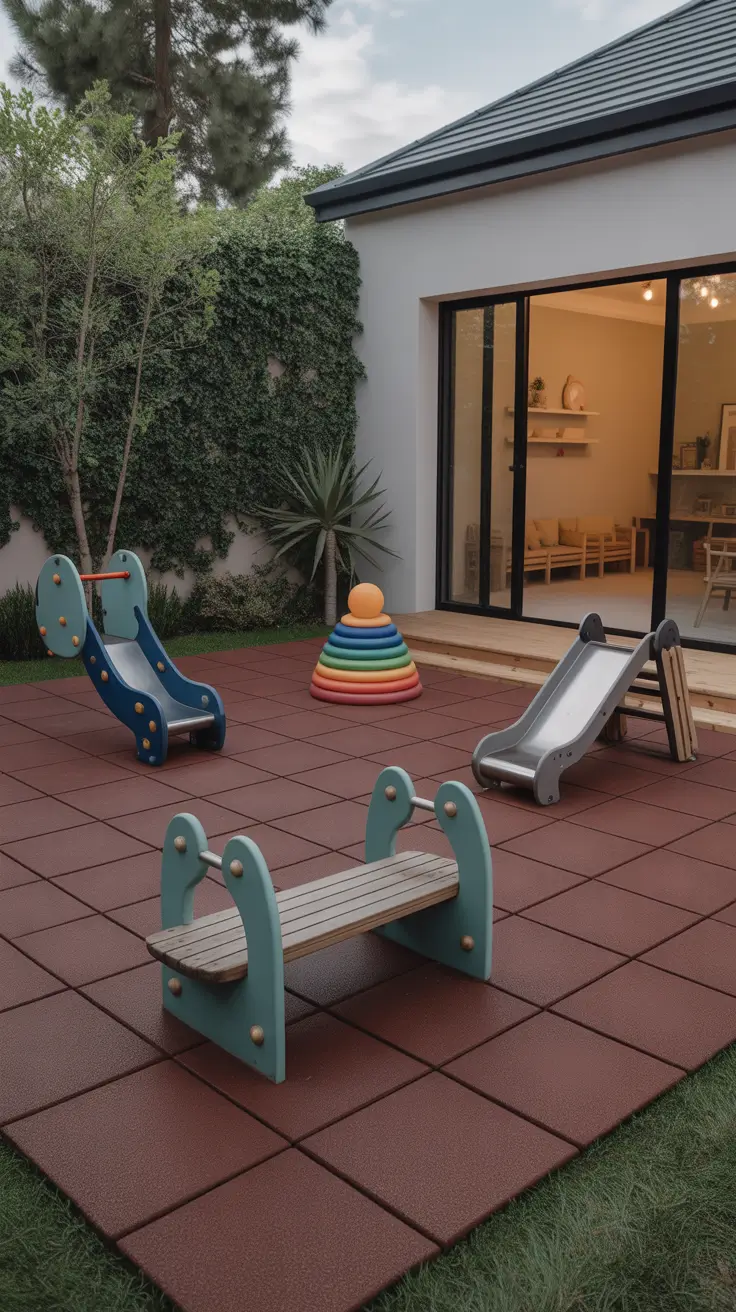
From experience, parents underestimate how much flooring affects usability. Designers from Dezeen frequently point out that high-quality surfaces extend playtime by making spaces comfortable and weather-resistant.
What’s missing in many rubber-tile setups is texture variation. I’d include stepping logs or sand zones nearby to keep sensory experiences rich.
Kids Outdoor Play Area Ideas For Deck Spaces
Designing kids outdoor play area ideas deck requires restraint. I treat decks as structured play platforms rather than free-form zones. In 2026, deck play areas lean toward compact, modular solutions.
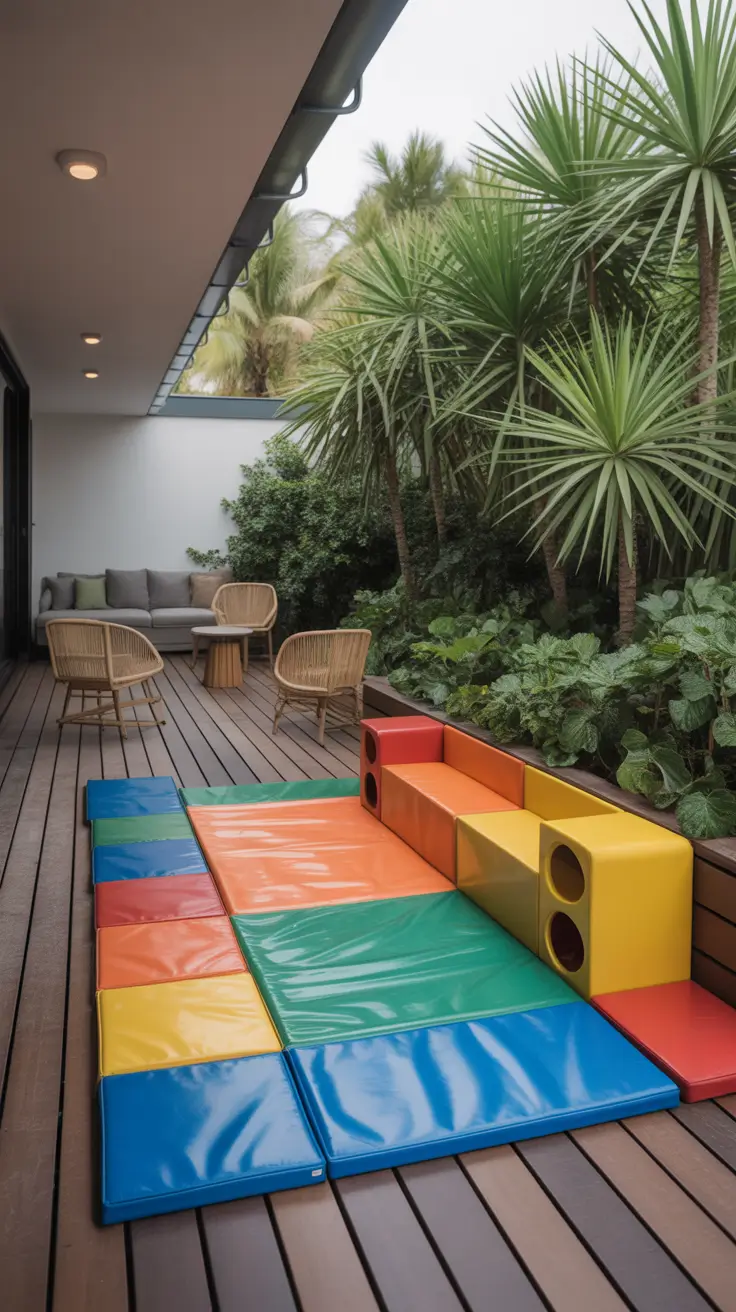
Low climbing cubes, foldable play mats, and built-in storage benches work well here. I always choose furniture with rounded edges and weather-resistant finishes for safety and longevity.
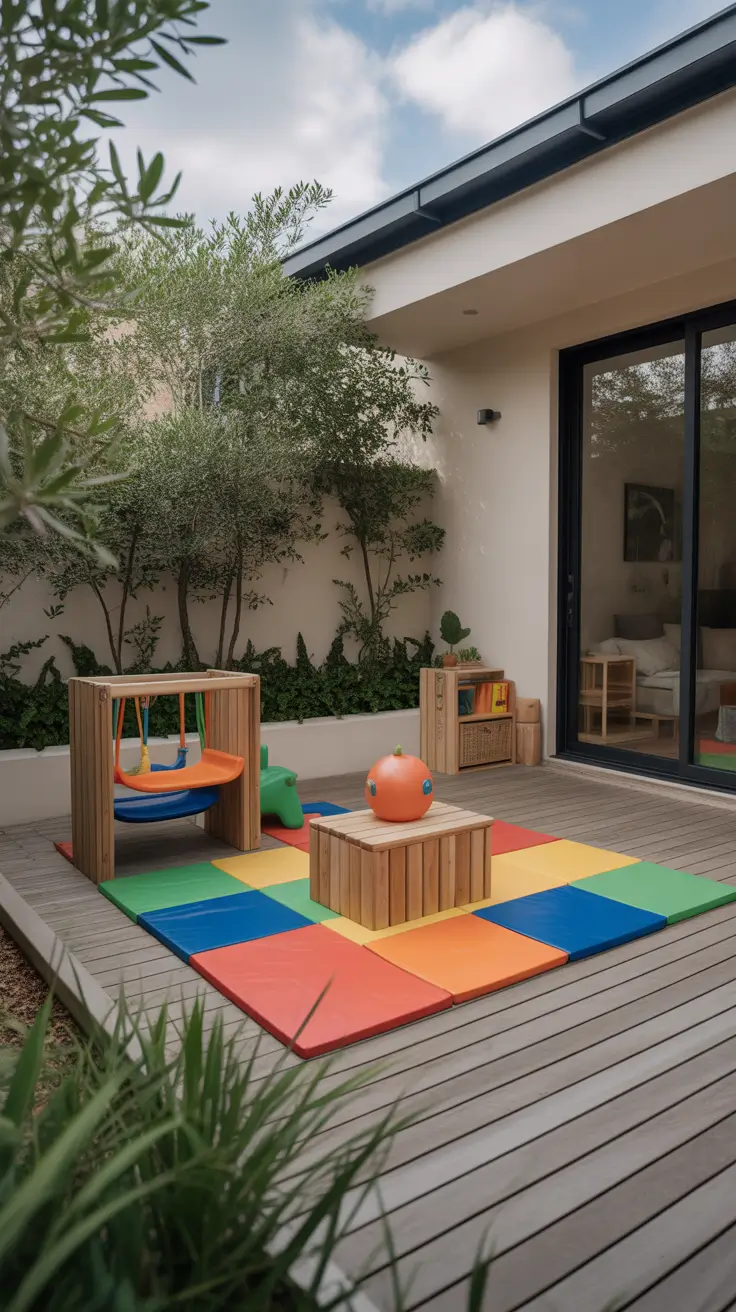
In my own work, decks succeed when adults and kids can share them. As Real Simple often advises, dual-purpose furniture helps outdoor spaces stay tidy and functional.
What I’d add to most deck play areas is a soft transition zone — outdoor rugs or foam mats that visually separate play from lounging.
Kids Outdoor Play Area Ideas For Rental Homes And Apartments
Kids outdoor play area ideas rental must be flexible, removable, and respectful of property rules. I focus on freestanding elements that leave no permanent marks.
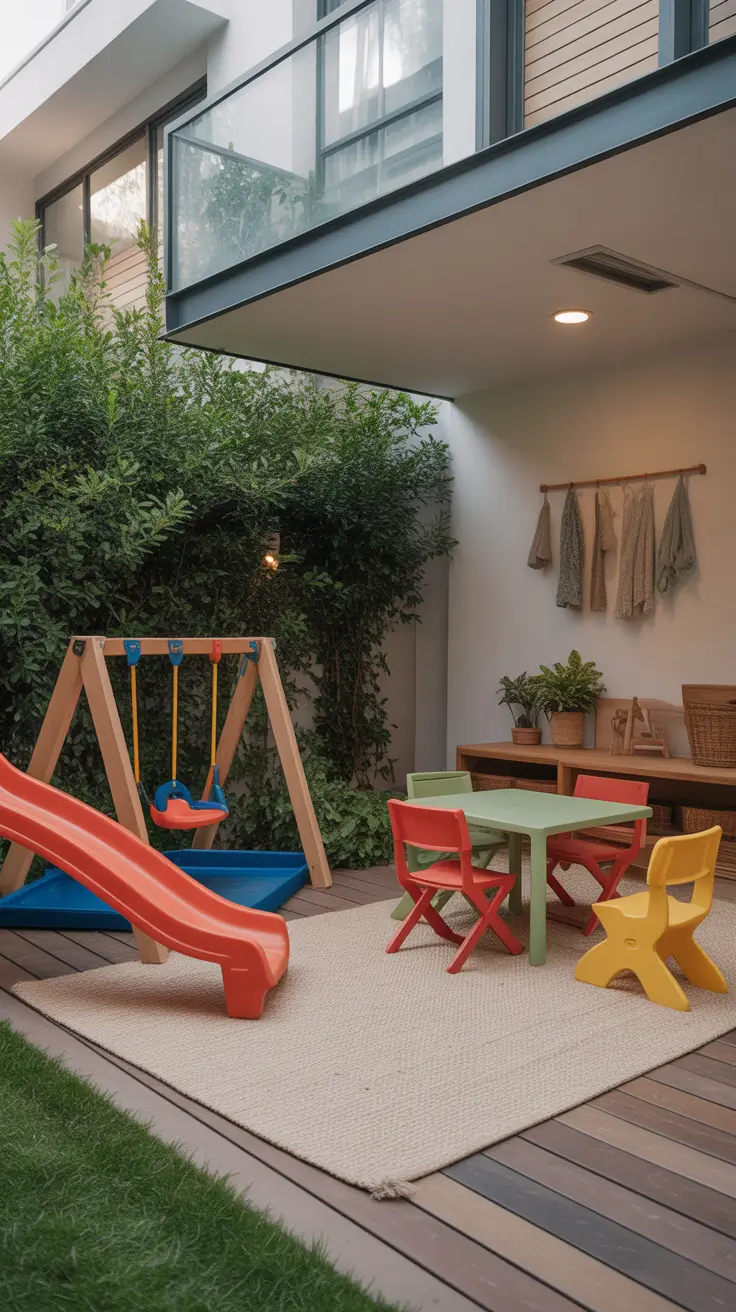
Portable slides, foldable tents, and modular foam flooring allow renters to create meaningful play zones without commitment. Lightweight furniture also makes seasonal storage easier.
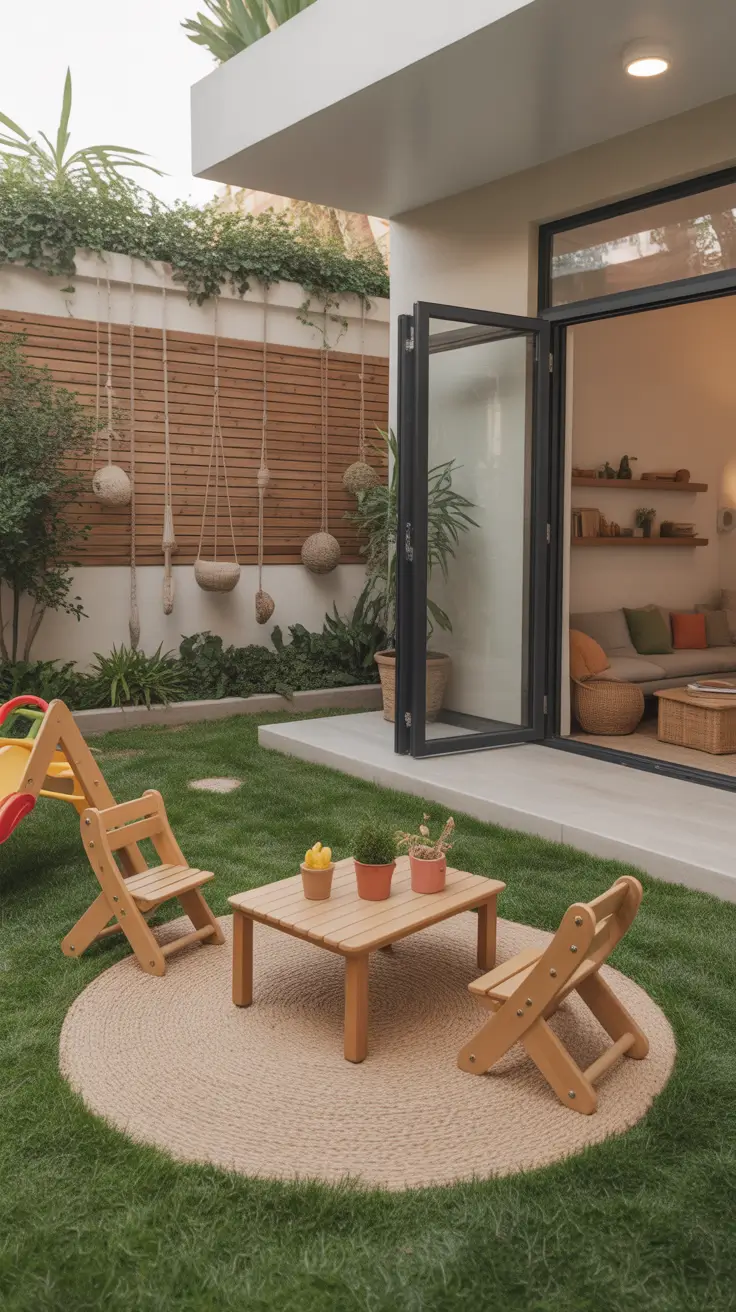
From personal experience, renters benefit most from vertical solutions — wall-mounted panels or movable activity boards. Apartment Therapy consistently highlights vertical play as a smart solution for limited permissions.
What’s often missing here is storage planning. I would always include stackable bins or outdoor cabinets to keep the area visually calm.
Kids Outdoor Sitting Area Ideas For Rest, Snacks, And Crafts
I always consider kids outdoor sitting area ideas an essential part of any outdoor play zone. These areas give children a place to pause between activities, enjoy snacks, or focus on creative tasks without leaving the outdoor environment. In 2026, sitting areas are designed to feel relaxed but purposeful, blending seamlessly into the Backyard or garden.
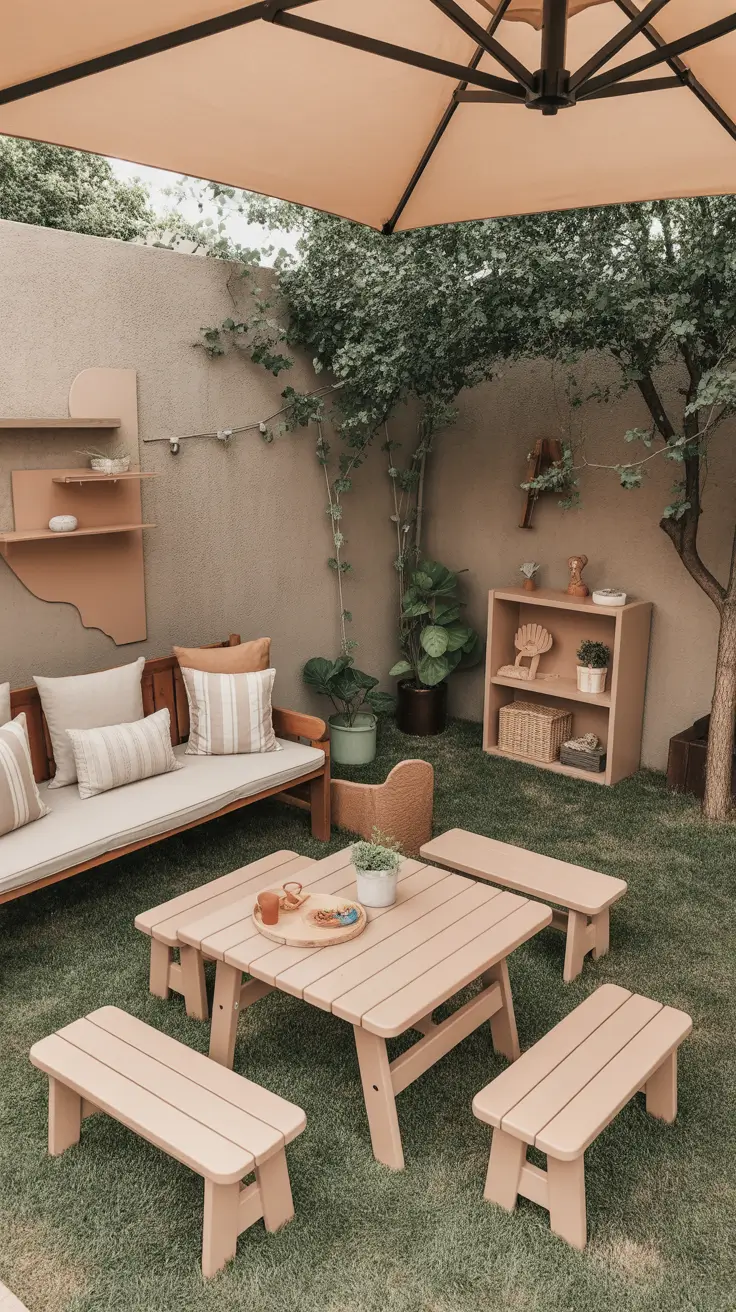
For furniture, I prefer child-sized tables, low benches, and weather-resistant cushions that are easy to move and clean. Lightweight materials allow the space to transform quickly—from a craft station to a picnic spot or a quiet reading corner. Neutral colors help the area feel calm rather than overstimulating.
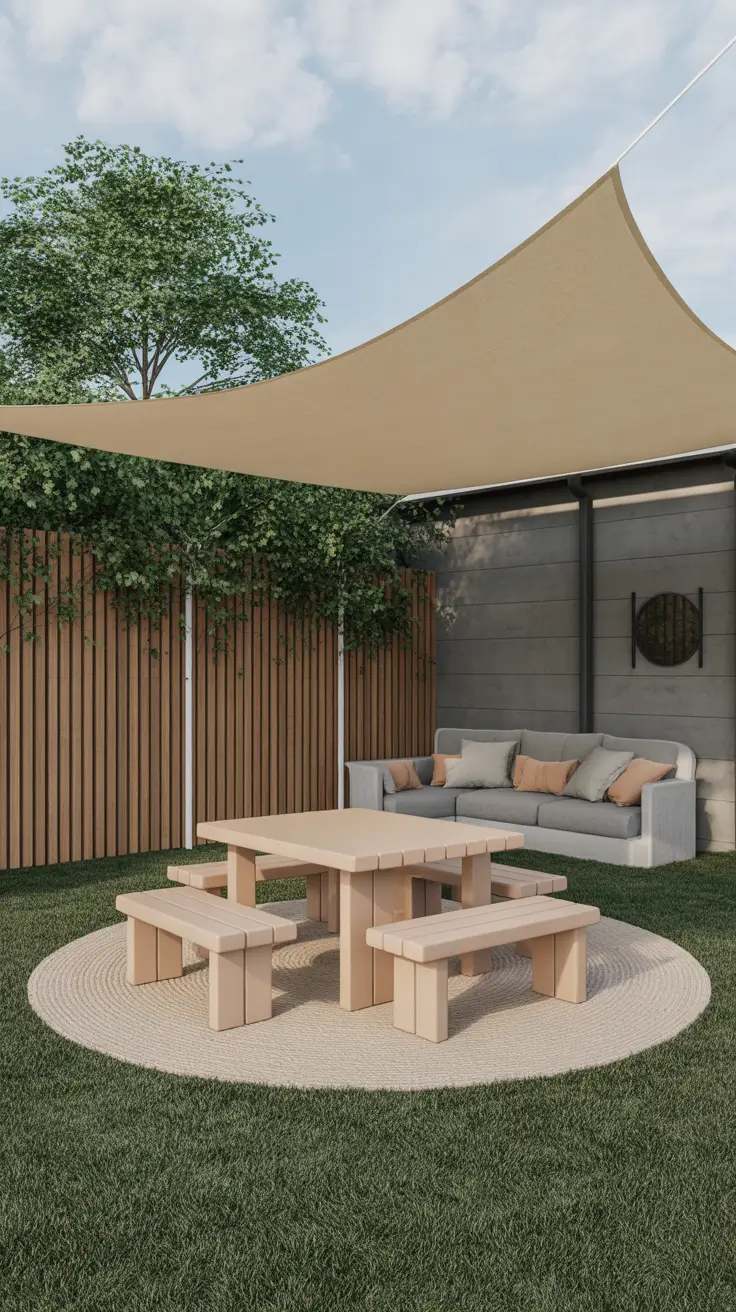
From my experience, kids naturally gravitate to these zones when they’re well-placed near active play areas. Parents Magazine highlights that giving children space to rest outdoors helps them regulate energy and emotions more effectively.
What I would still add here is more shade. A canopy, umbrella, or pergola makes the sitting area usable throughout the day and in warmer climates.
Nature-Inspired Outdoor Kids Play Area Ideas For Calm Play
Nature-inspired outdoor kids play area ideas focus on slower, more mindful play. I see these spaces as a counterbalance to high-energy playgrounds, encouraging observation, exploration, and imagination rather than competition.
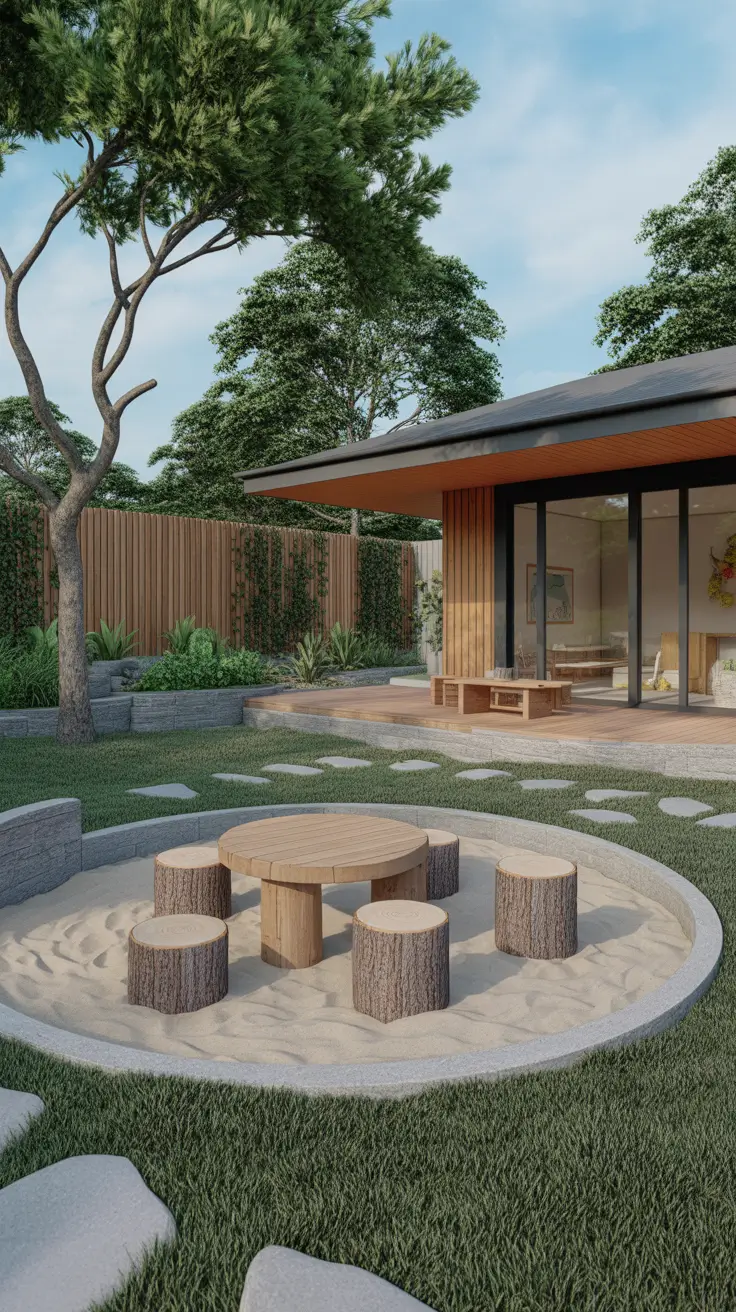
I like using natural elements such as logs, stones, sand, water, and native plants. These materials invite children to interact freely and intuitively, supporting Nature-inspired play that adapts to seasons and weather.
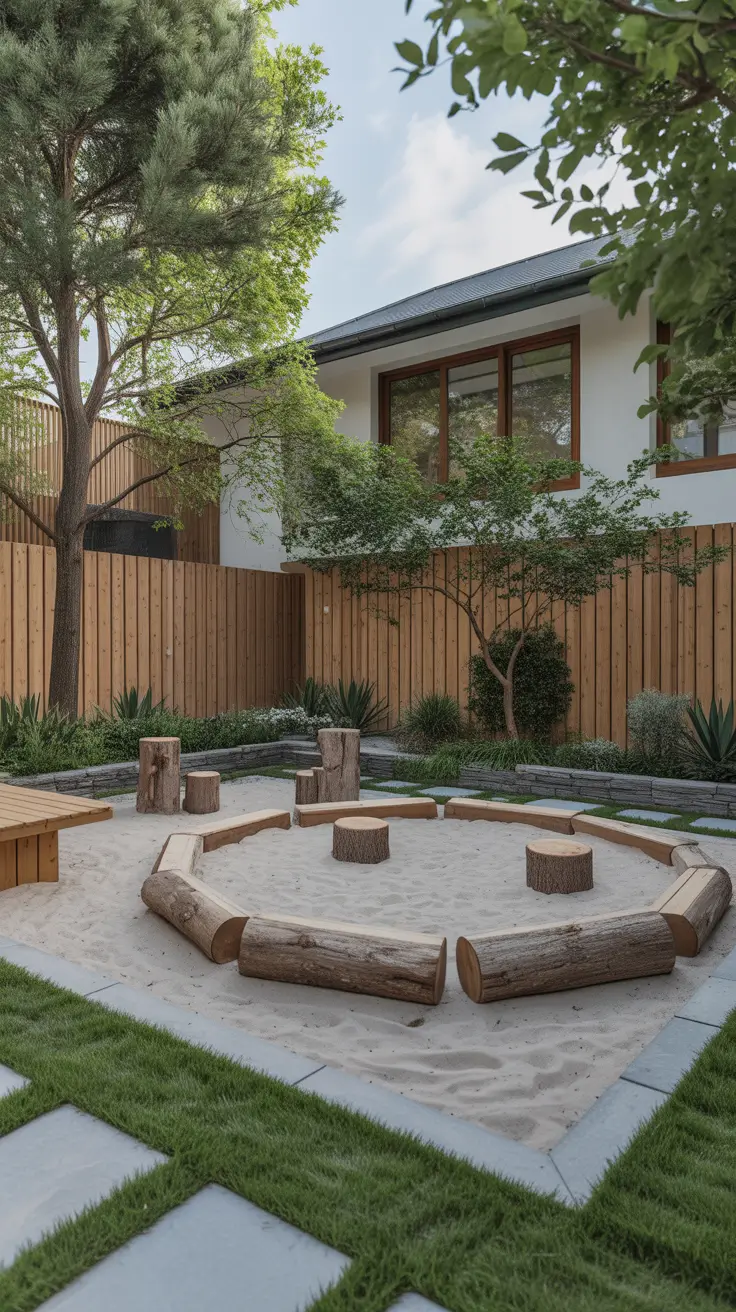
Research referenced by Harvard Graduate School of Education shows that natural environments reduce stress and support creativity in children. I’ve noticed this firsthand—kids tend to stay engaged longer in these quieter, organic spaces.
What’s often missing is comfortable seating for adults. I would add a simple wooden bench nearby to allow supervision without disrupting the calm atmosphere.
Kids Outdoor Play Area Ideas With Mud Kitchen Playground Design
Kids outdoor play area ideas playground design mud kitchen continue to be one of the most engaging concepts in 2026. I always plan mud kitchens as dedicated zones to keep mess contained while encouraging creative, hands-on Play.
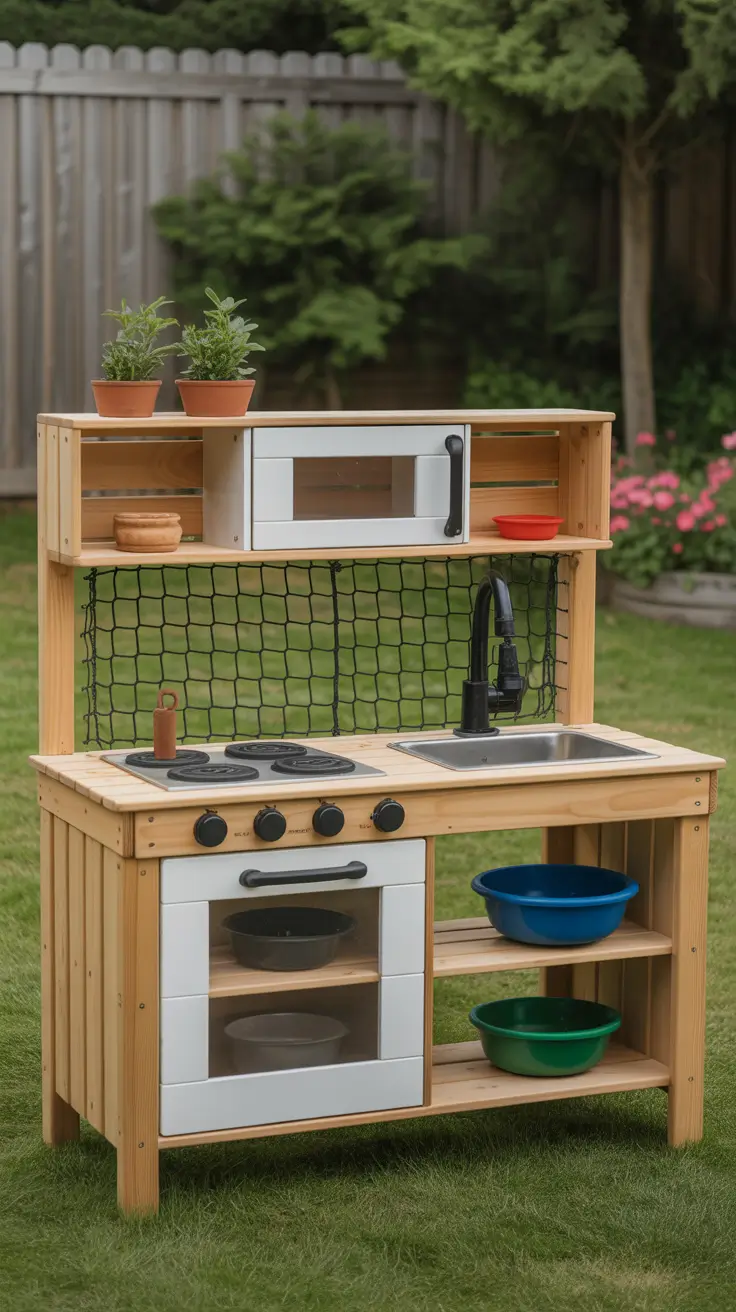
A good mud kitchen includes a sturdy wooden counter, shelves, old pots and bowls, and access to water. This setup supports playground design mud kitchen activities like mixing, sorting, and role play.
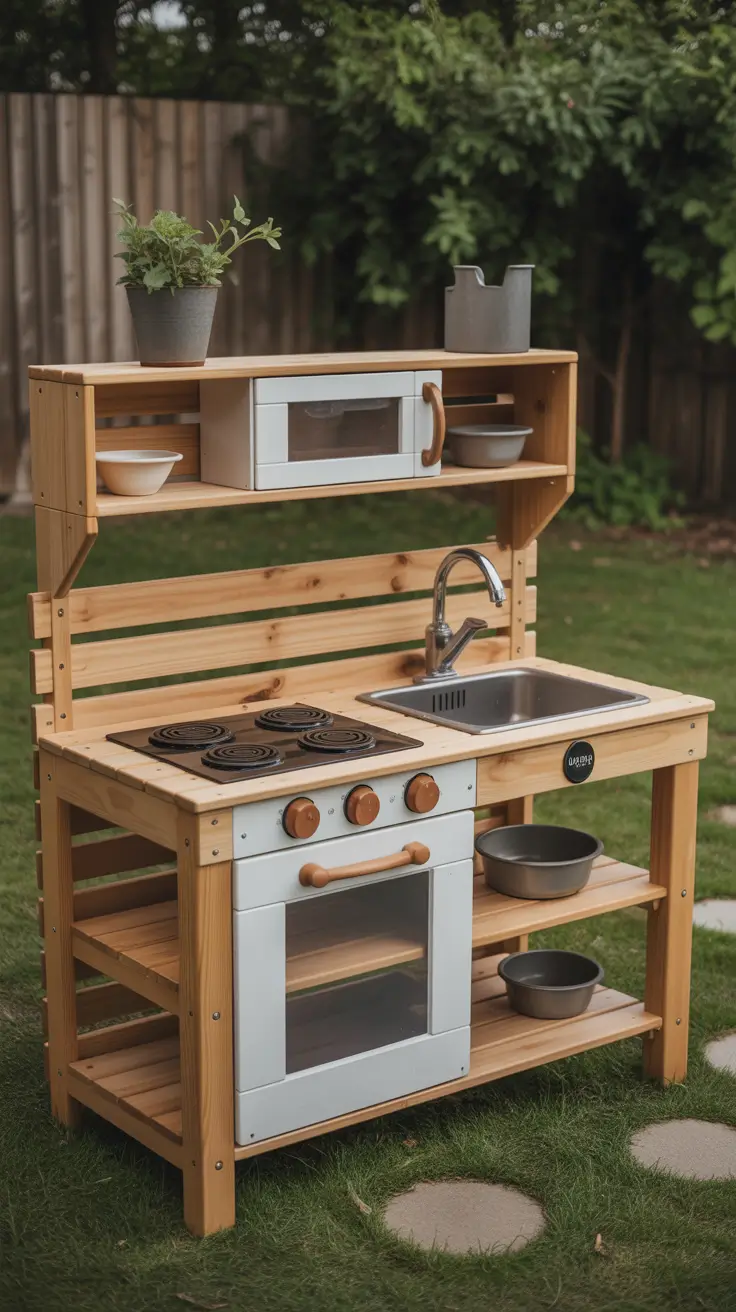
In my experience, children can spend hours here without adult direction. Montessori Life often emphasizes sensory play as a foundation for independence and problem-solving, and mud kitchens deliver exactly that.
I would improve most setups by adding playground design rubber mulch or washable flooring underneath to simplify maintenance.
Modern Kids Outdoor Play Area Ideas Playground Design Trends 2026
In 2026, kids outdoor play area ideas playground design lean toward clean lines, neutral colors, and modular layouts. I see fewer overly themed structures and more flexible designs that grow with the child.
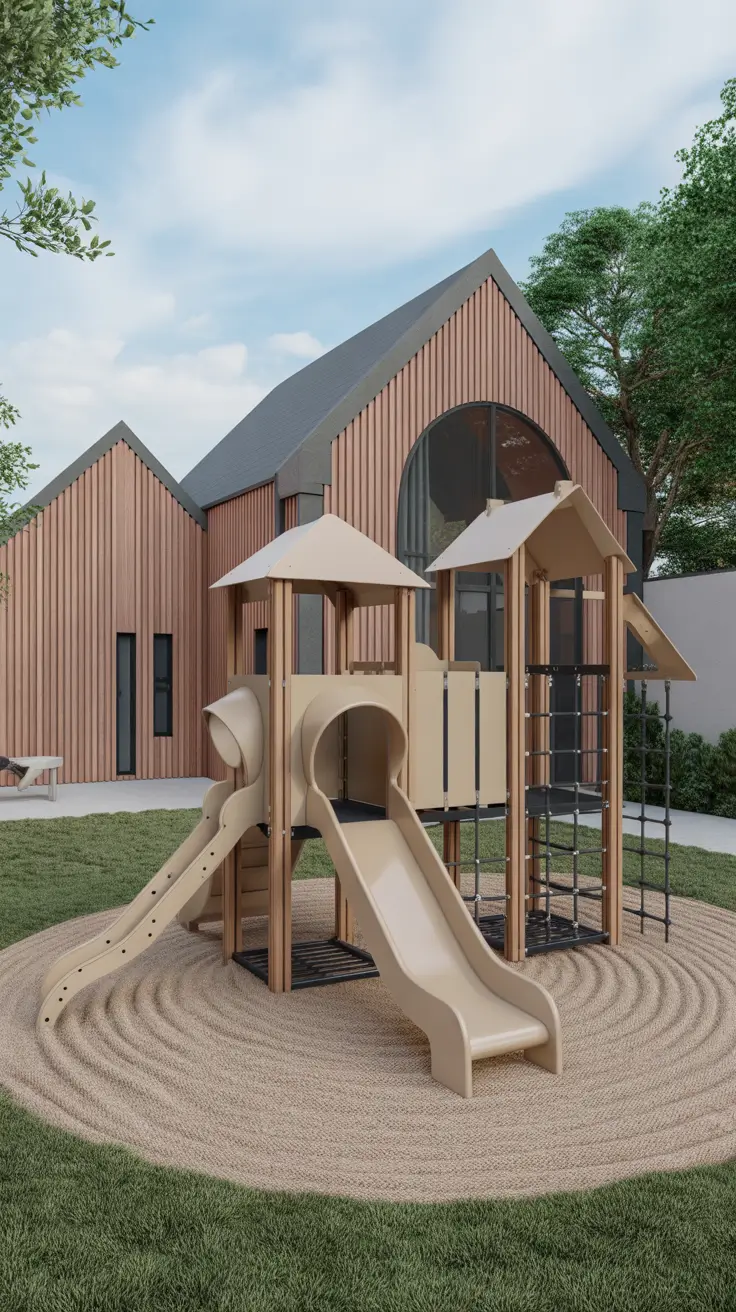
Modular swings, climbing panels, and activity walls allow families to adjust layouts over time without rebuilding the entire space. This approach works especially well for playground design backyard projects.
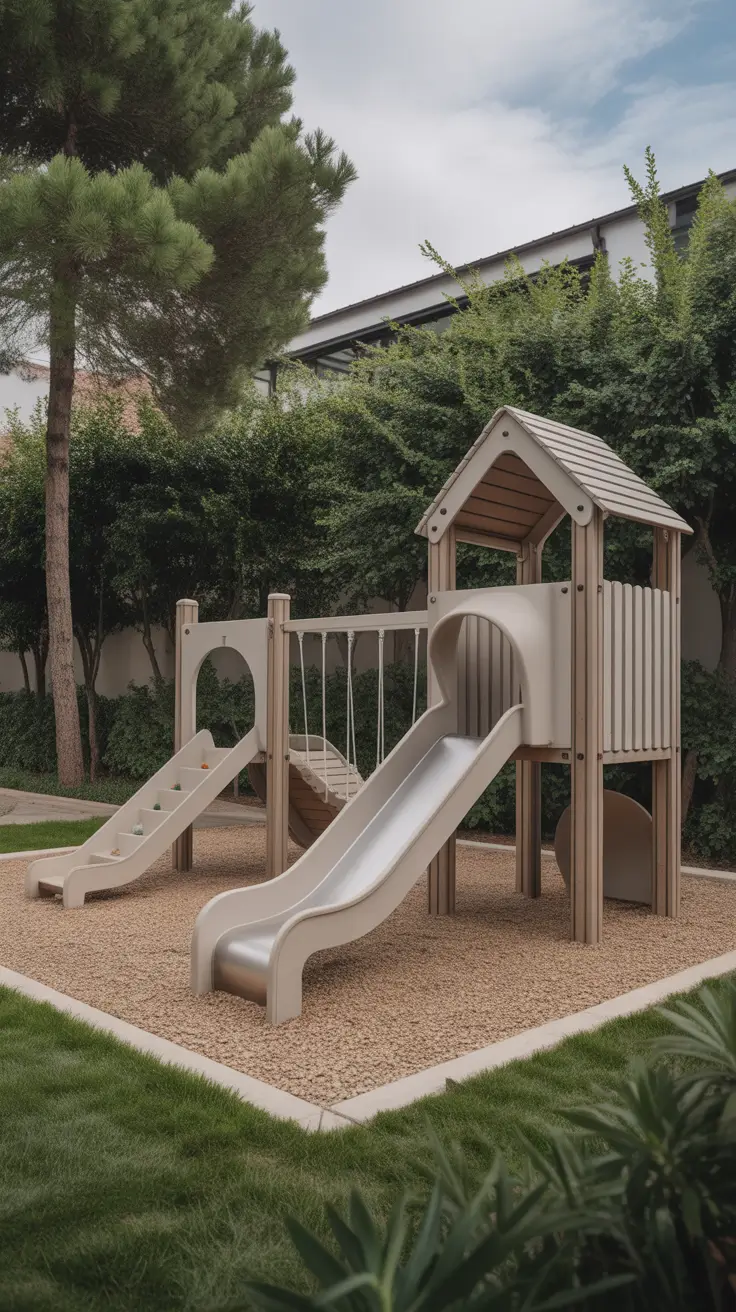
Design publications like Dezeen note that modern playgrounds increasingly reflect architectural principles used in adult spaces—prioritizing form, function, and longevity.
What I would still add is more interactive detail, such as rotating panels or seasonal elements that keep the space feeling new.
Kids Outdoor Play Area Ideas Using Natural Wood Elements
Kids outdoor play area ideas wood remain timeless, especially when designed with playground design natural wood principles in mind. Wood brings warmth, durability, and visual harmony to outdoor spaces.
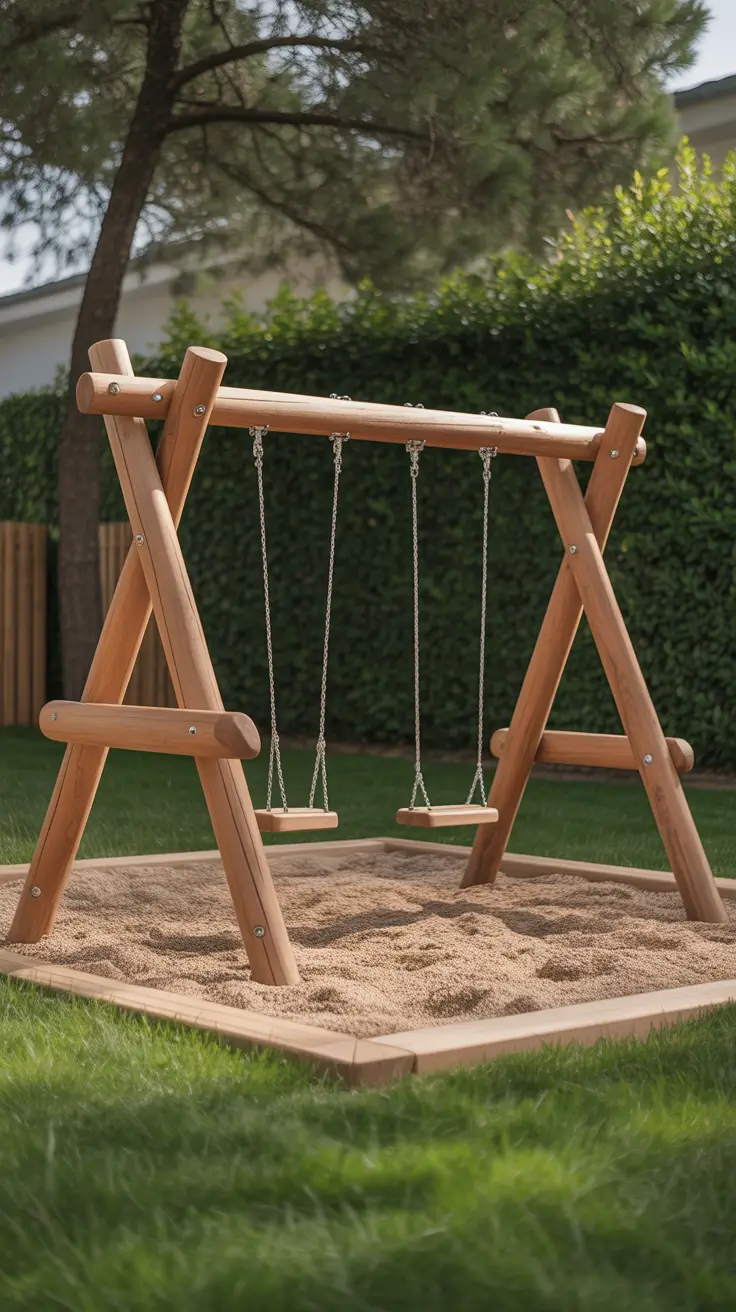
I often use wooden swings, balance beams, platforms, and seating because they integrate beautifully into gardens and backyards. They also age well and can be repaired easily, making them ideal for families on A budget.
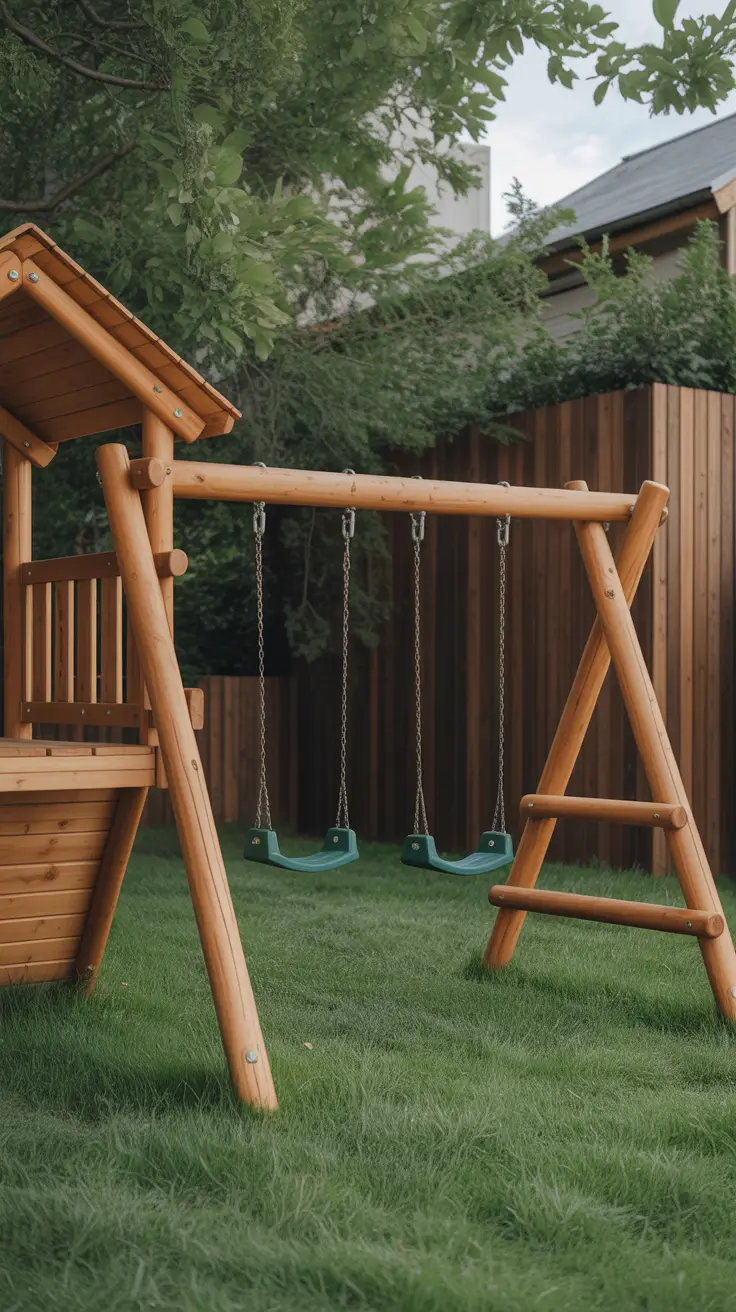
From my experience, children feel more comfortable and confident using wooden structures. Dwell has frequently highlighted how natural materials create a sense of safety and stability in outdoor design.
I would always add anti-slip treatments and weather protection to ensure longevity and year-round usability.
Simple Outdoor Play Area Ideas That Focus On Pure Play
Simple outdoor play areas often outperform complex setups. I believe minimal kids outdoor play area ideas leave more room for imagination and creativity.
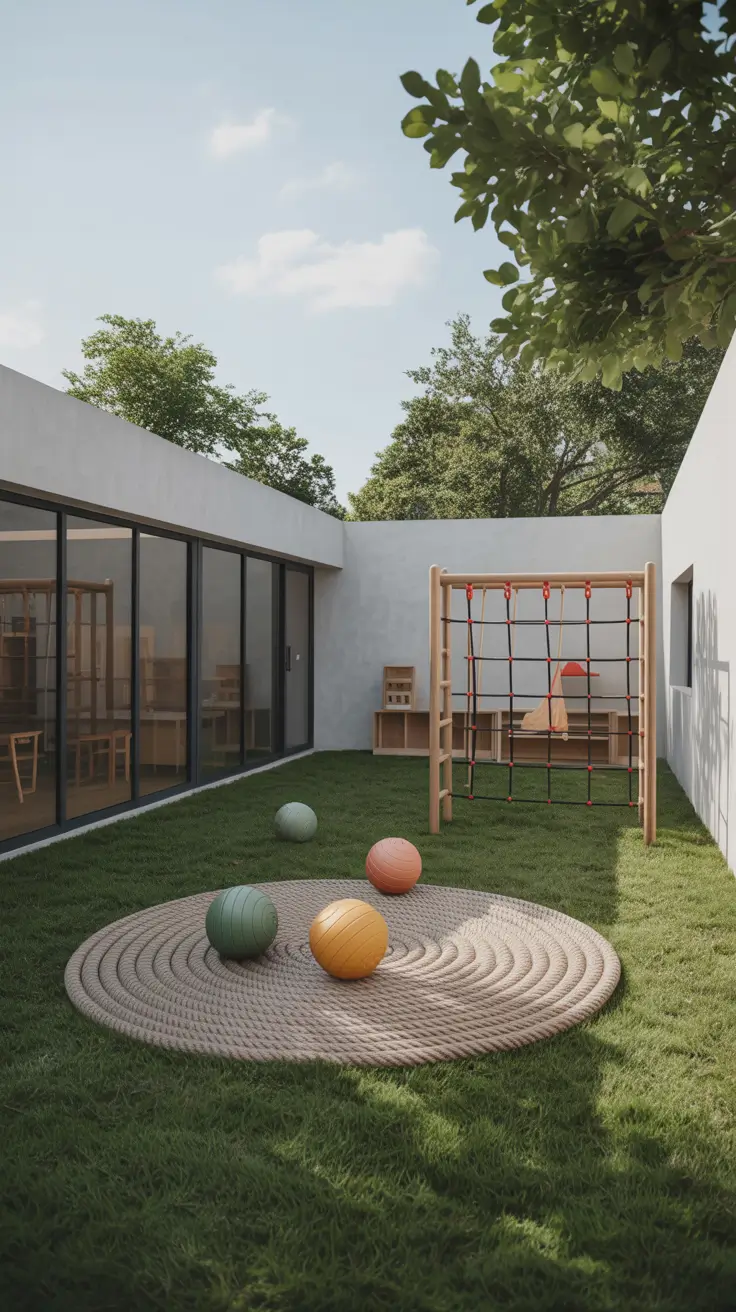
A few open-ended items—balls, ropes, chalk, crates—are often enough to inspire hours of play. These ideas work particularly well for Small space yards or temporary outdoor setups.
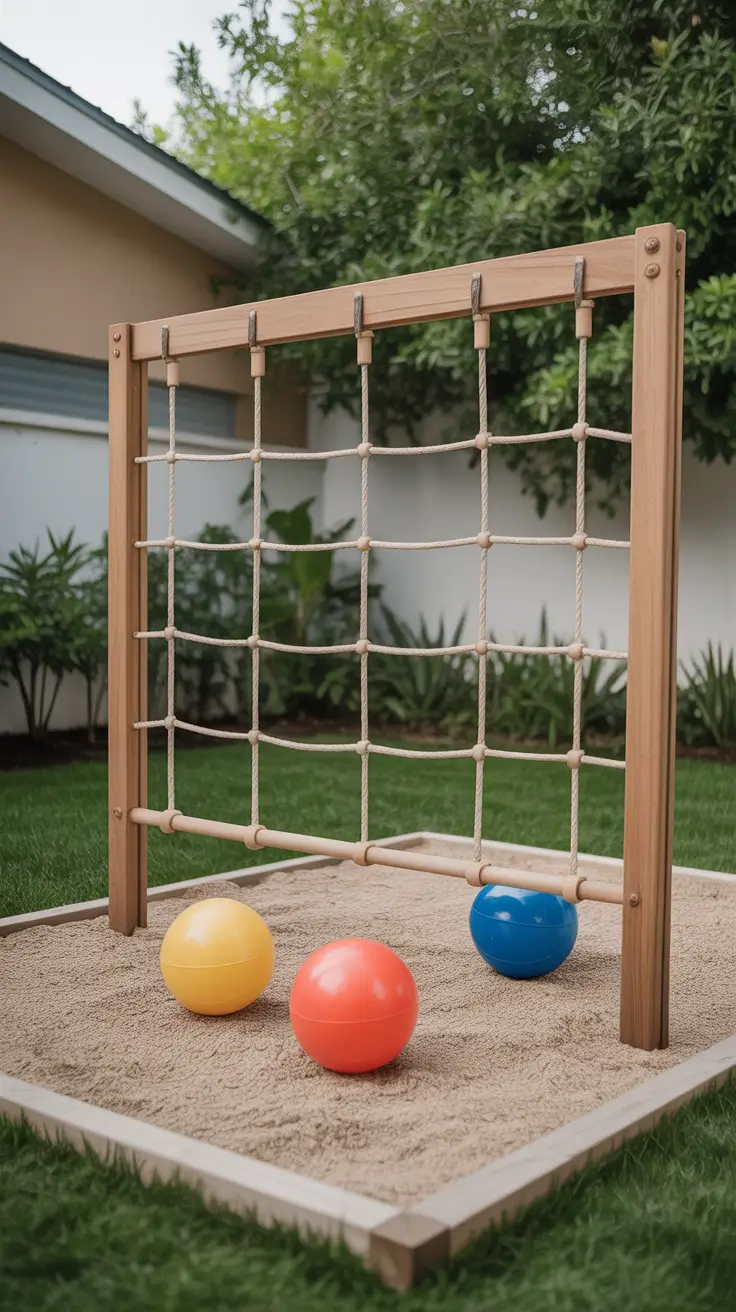
In my own projects, I’ve seen kids invent more games when the environment isn’t overly structured. The Atlantic has noted that excessive design can limit creative thinking in children.
What I would add here is discreet storage to keep the area organized without interrupting the simplicity.
Cheap DIY Outdoor Play Area Ideas For Families On A Budget
Cheap diy solutions continue to define outdoor play design in 2026. I always recommend starting small and expanding gradually as needs change.
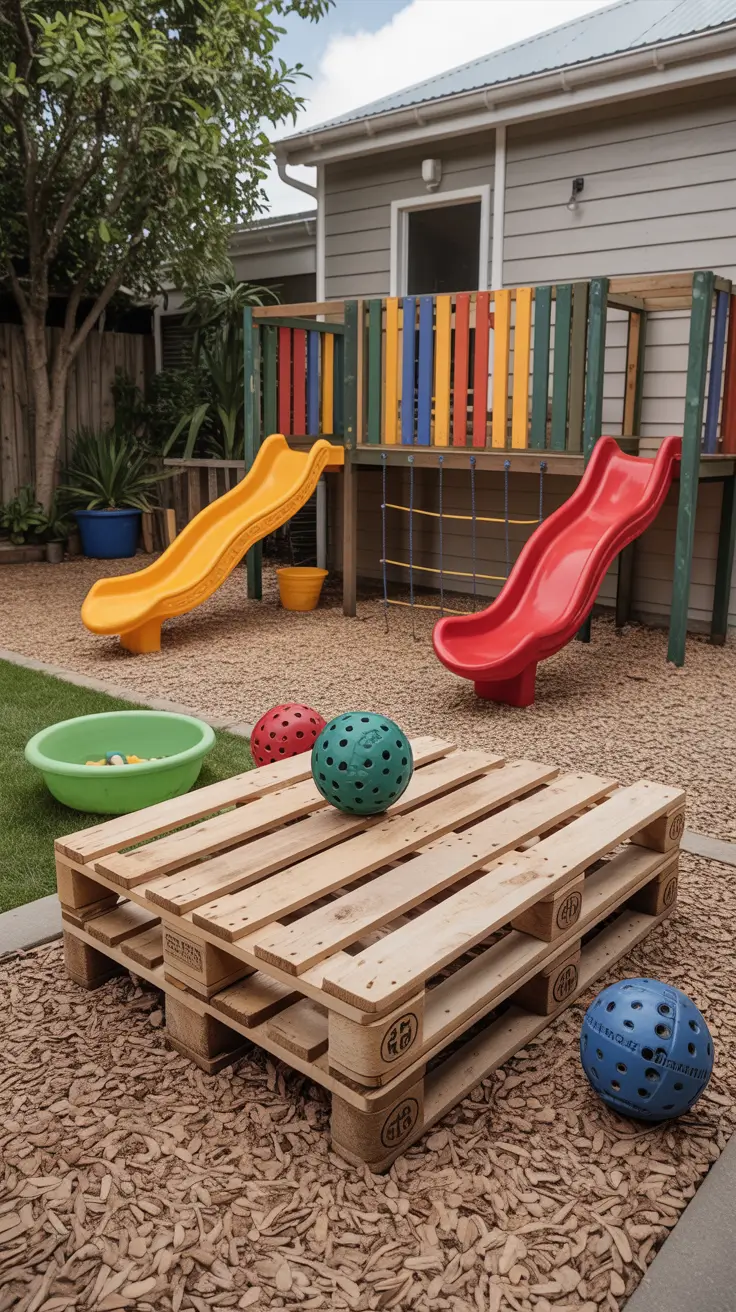
Using tires, ropes, basic lumber, and Pallets, families can create a functional Playground without major investment. The key is thoughtful placement and safety, not expensive equipment.
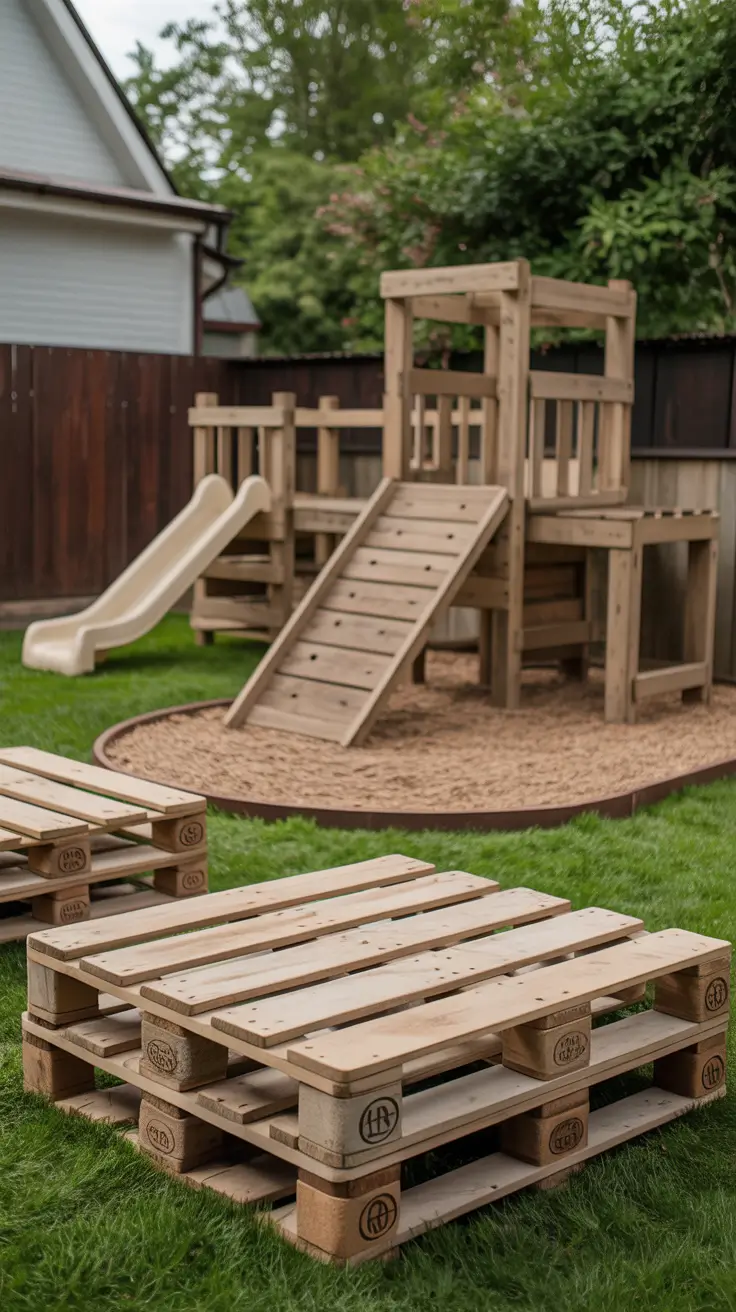
I’ve seen many DIY spaces outperform professional installs because they’re designed around real family routines. This Old House often stresses that planning matters more than spending—and I fully agree.
What I would add to most DIY projects is a clear Playground design plan to keep the layout cohesive and safe.
Small Space Outdoor Play Area Ideas For Kids
When I work with Small space layouts, I focus on efficiency without sacrificing creativity. In 2026, small outdoor areas are designed vertically as much as horizontally, making even compact patios or narrow yards suitable for meaningful Play.
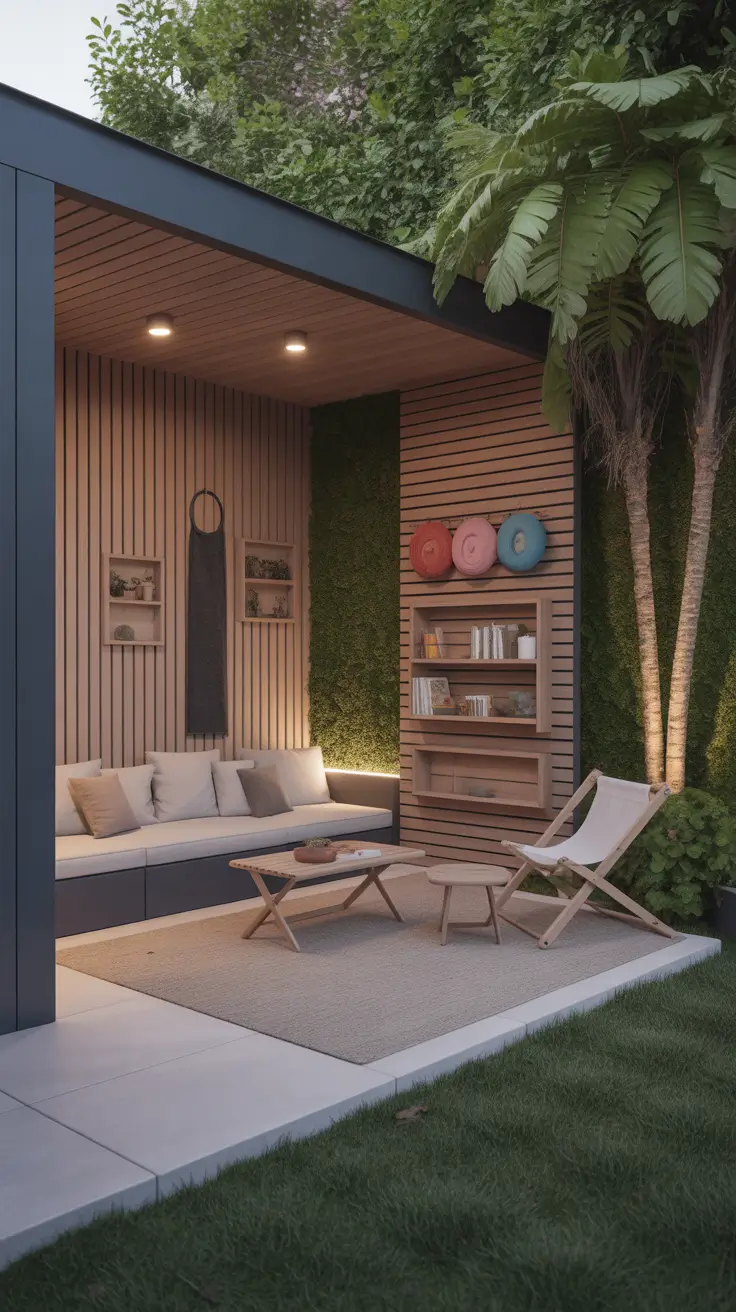
I usually recommend wall-mounted activity panels, foldable climbing elements, and stackable furniture. Lightweight materials and modular designs allow families to reconfigure the space quickly depending on the activity or number of children.
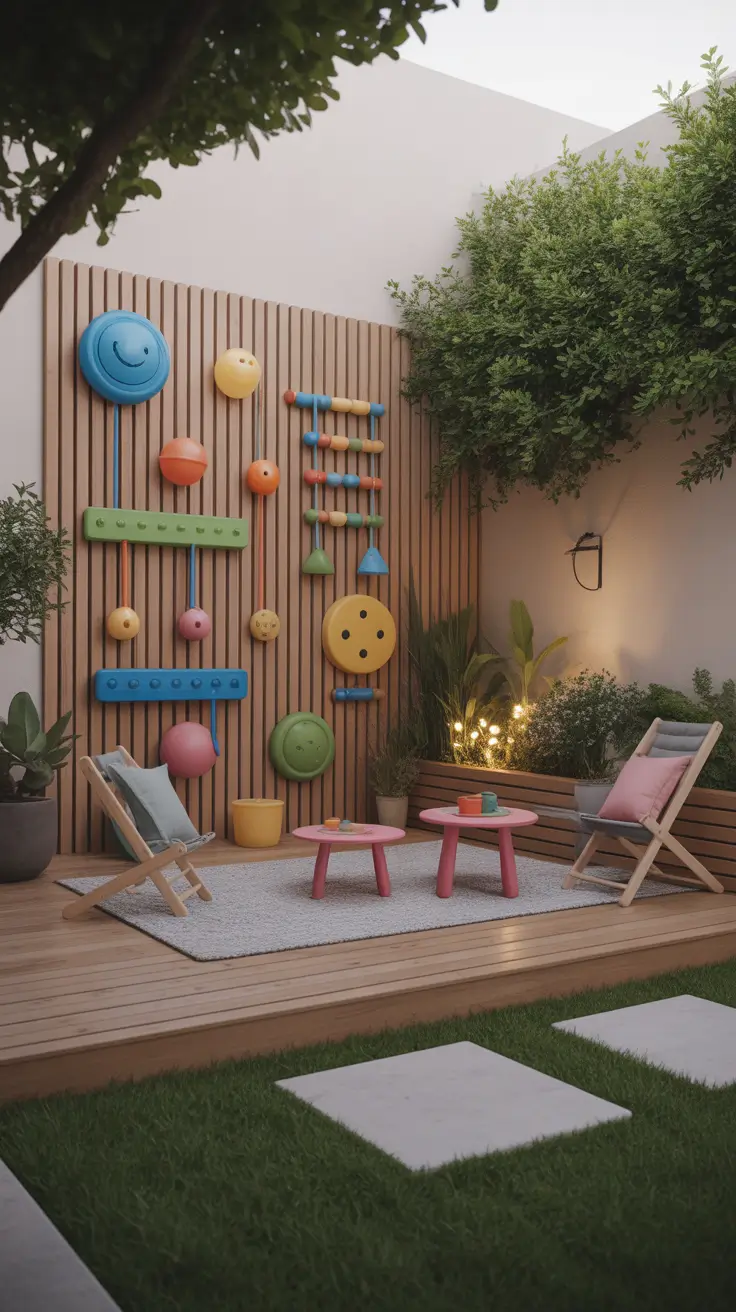
From my experience, small spaces actually encourage more focused play. Apartment Therapy often points out that limited environments push children to use imagination rather than rely on oversized equipment.
What I would add here is clear zoning—using rugs or flooring changes—to visually separate play, rest, and storage areas.
Backyard Playground Design Plans For Kids Of All Ages
A well-thought-out Playground design plan is the foundation of a successful outdoor play space. I approach these plans by dividing the Backyard into age-appropriate zones that can evolve over time.
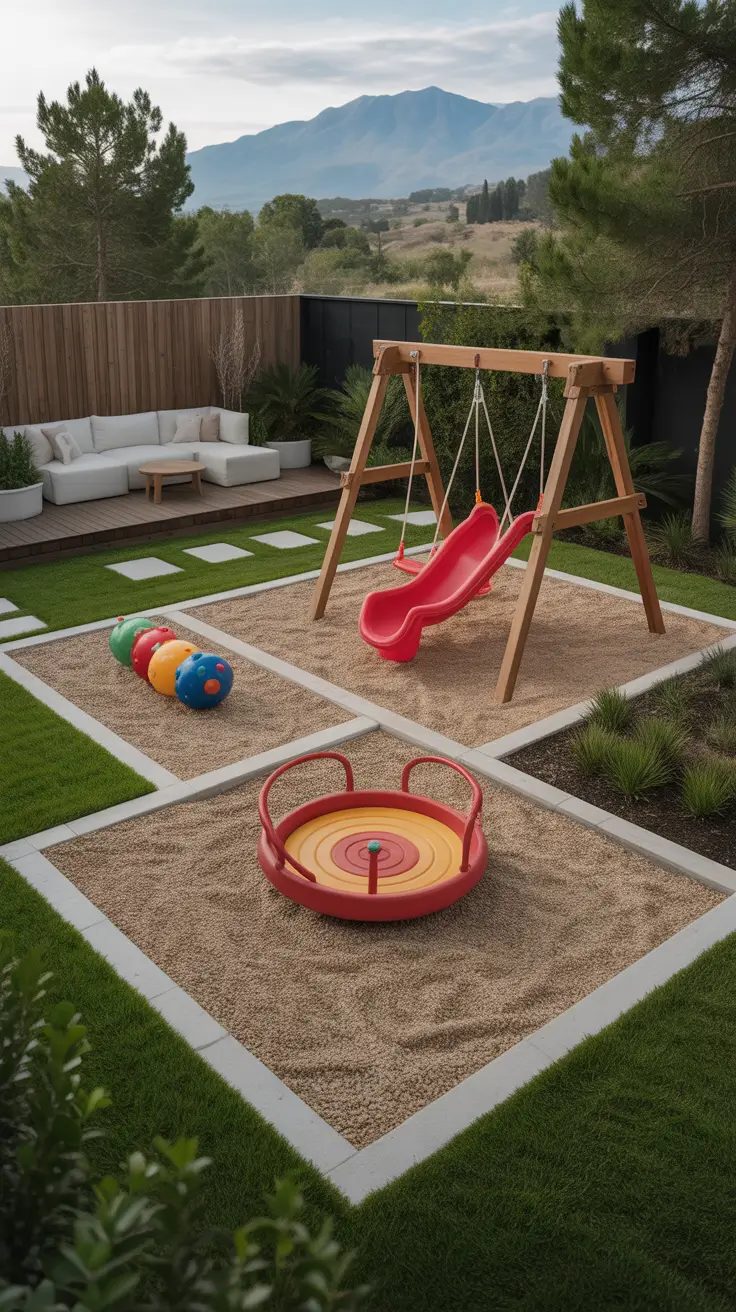
For younger kids, I prioritize low climbing features and sensory elements. Older children benefit from swings, balance paths, and creative structures that challenge coordination. This layered approach supports long-term use and safety.
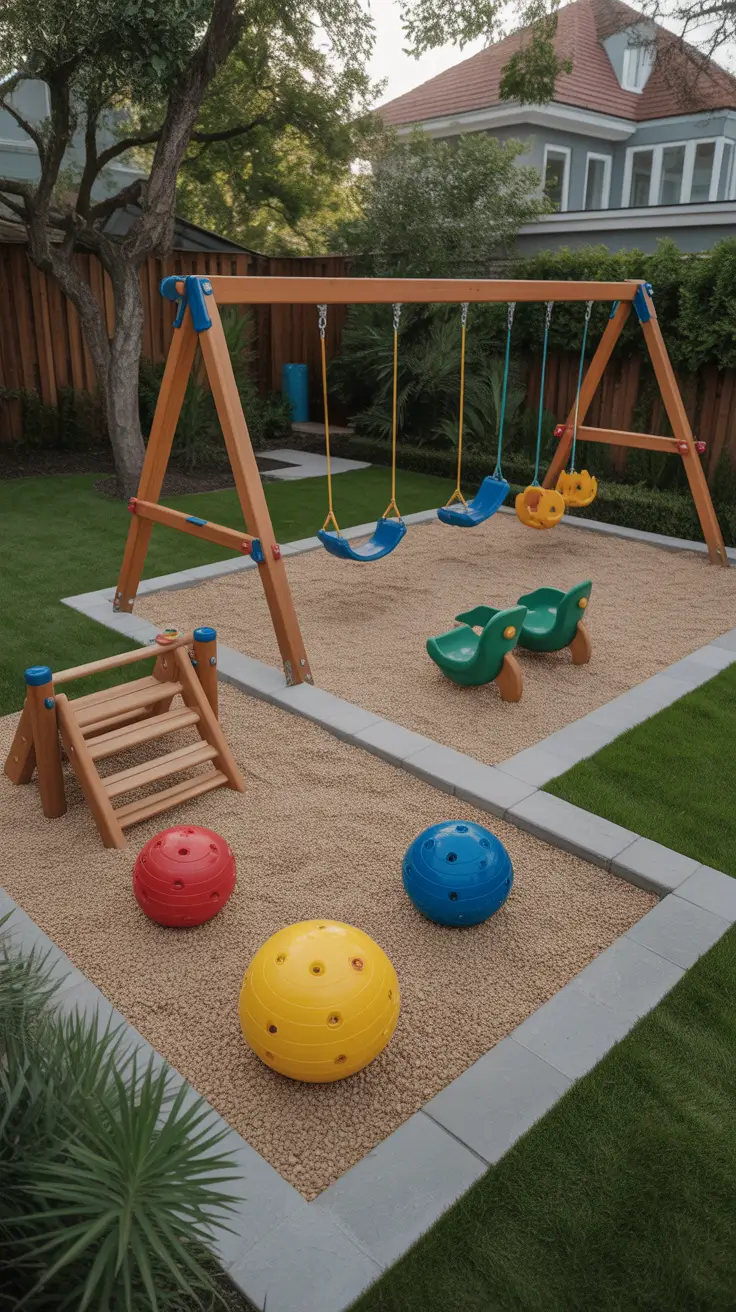
Design experts featured in Better Homes & Gardens consistently emphasize planning before building, and I fully agree. A clear layout prevents overcrowding and improves supervision.
What’s often missing is future flexibility. I would always leave open space to adapt the playground as children grow.
Backyard Playground Design Ideas That Grow With Your Child
The best Playground design backyard concepts in 2026 are adaptable. I design with change in mind, choosing elements that serve multiple age groups instead of fixed-purpose equipment.
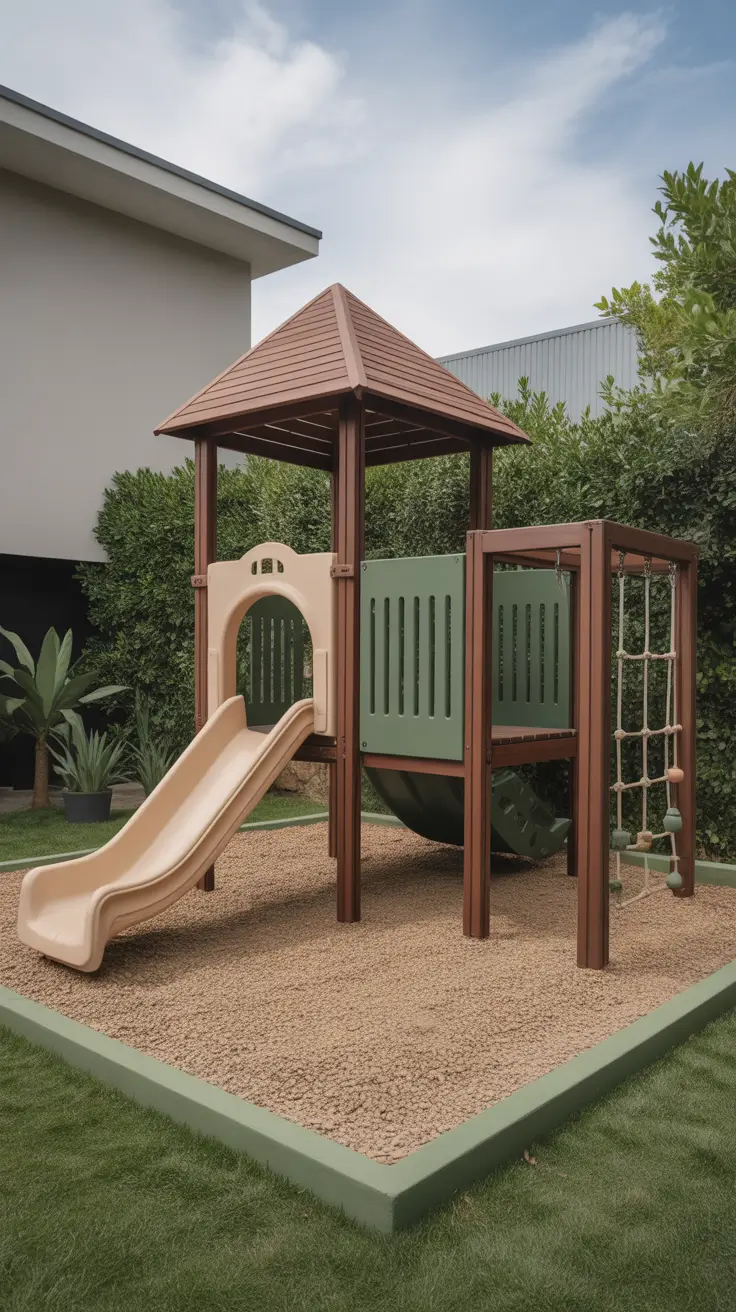
Adjustable swings, modular climbing frames, and open-ended play structures allow the space to evolve naturally. This approach extends the life of the playground and maximizes value.
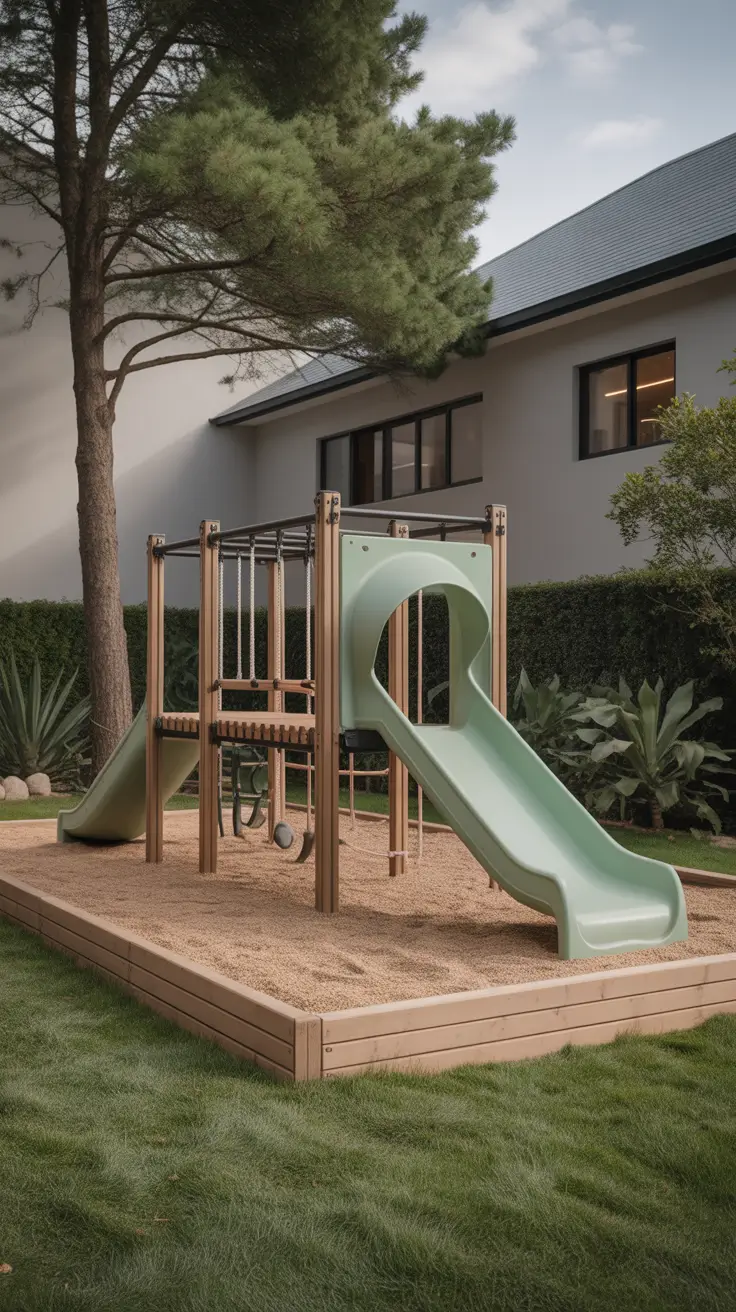
From my own projects, families appreciate designs that don’t feel outdated after just a few years. Dezeen often highlights modularity as a key trend in contemporary outdoor design.
What I would still add is storage for removable elements, making transitions between stages smooth and organized.
Creative Playground Ideas That Turn Backyards Into Adventures
Creative Playground ideas transform ordinary yards into imaginative worlds. I focus on storytelling elements—paths, platforms, and themed zones—that encourage role play and exploration.
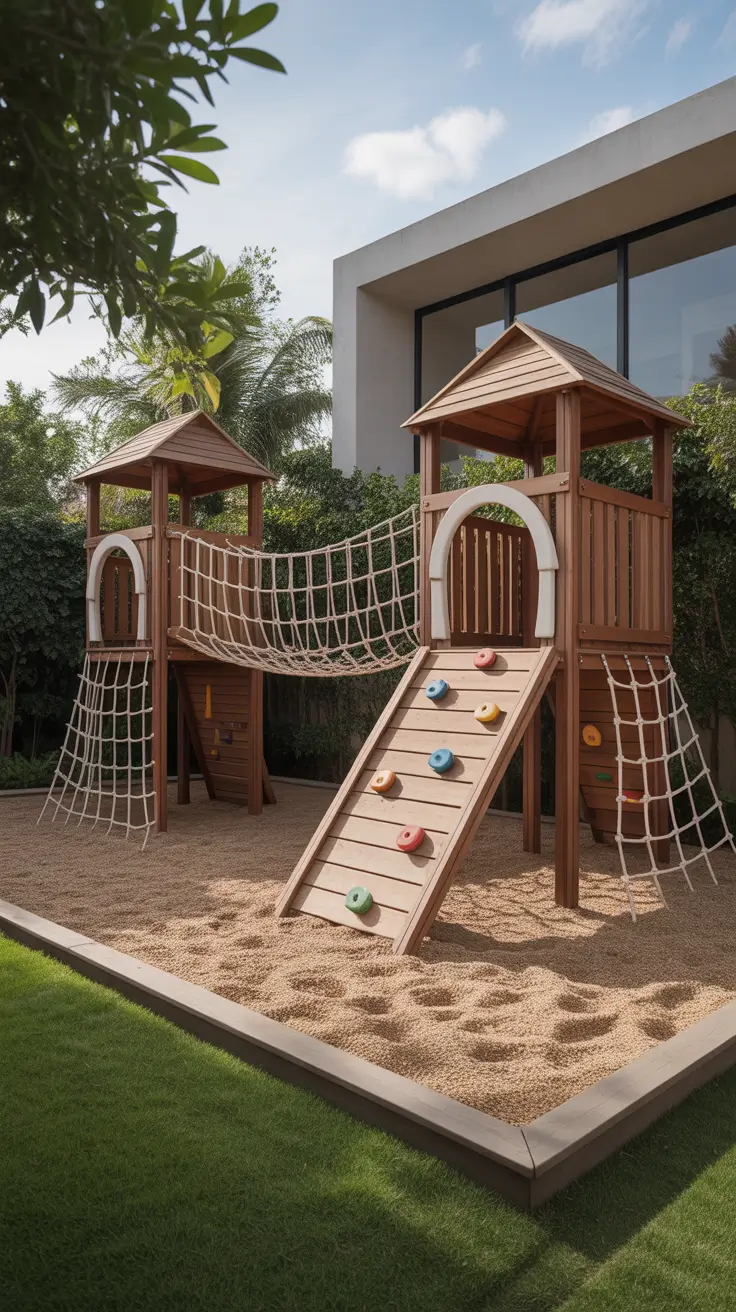
Simple additions like tunnels, lookout towers, or climbing nets help children invent adventures without relying on heavy theming. These features support physical activity while leaving room for imagination.
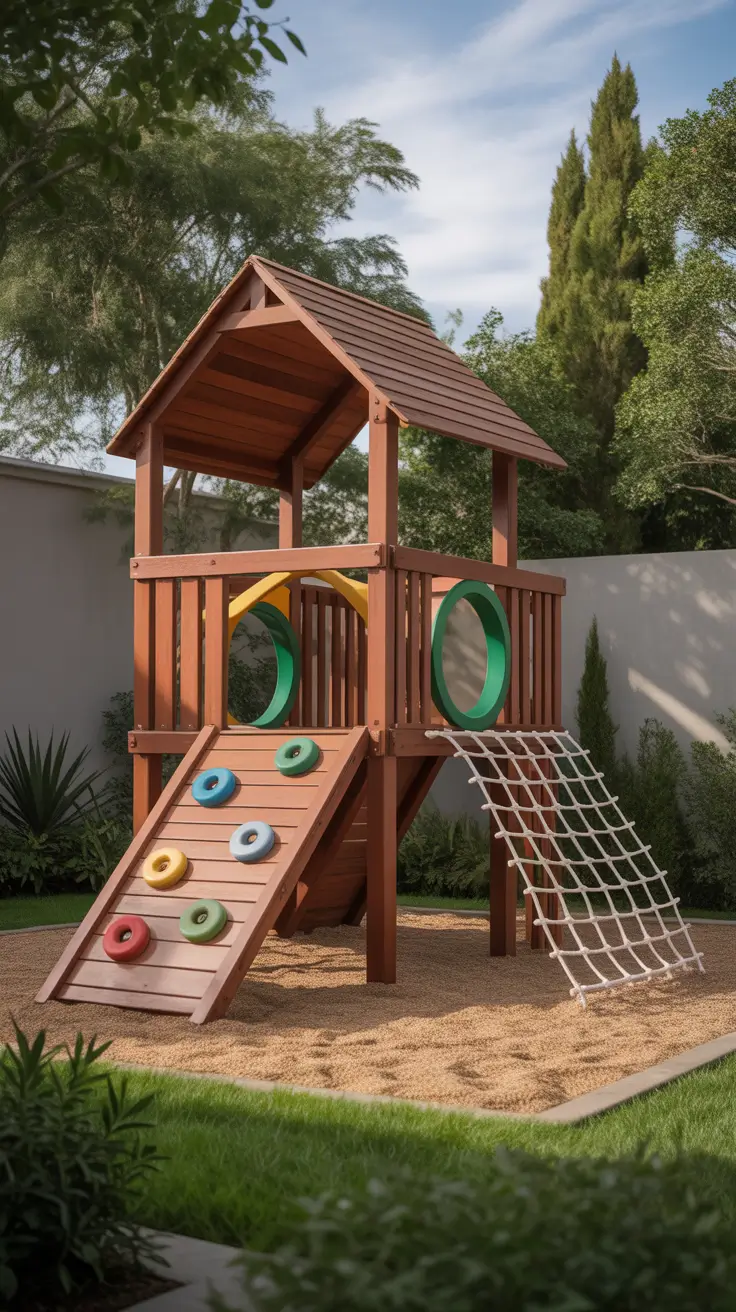
In my experience, kids engage longer when playgrounds feel like open-ended stories. National Geographic Kids often highlights how imaginative play supports cognitive development.
What I would add here is subtle lighting for late afternoons, extending usability while maintaining a safe atmosphere.
Water Play Outdoor Area Ideas For Hot Summer Days
Water play is essential in warm climates, and in 2026 it’s integrated thoughtfully rather than added as an afterthought. I prefer designs that allow splashing without overwhelming the entire Backyard.
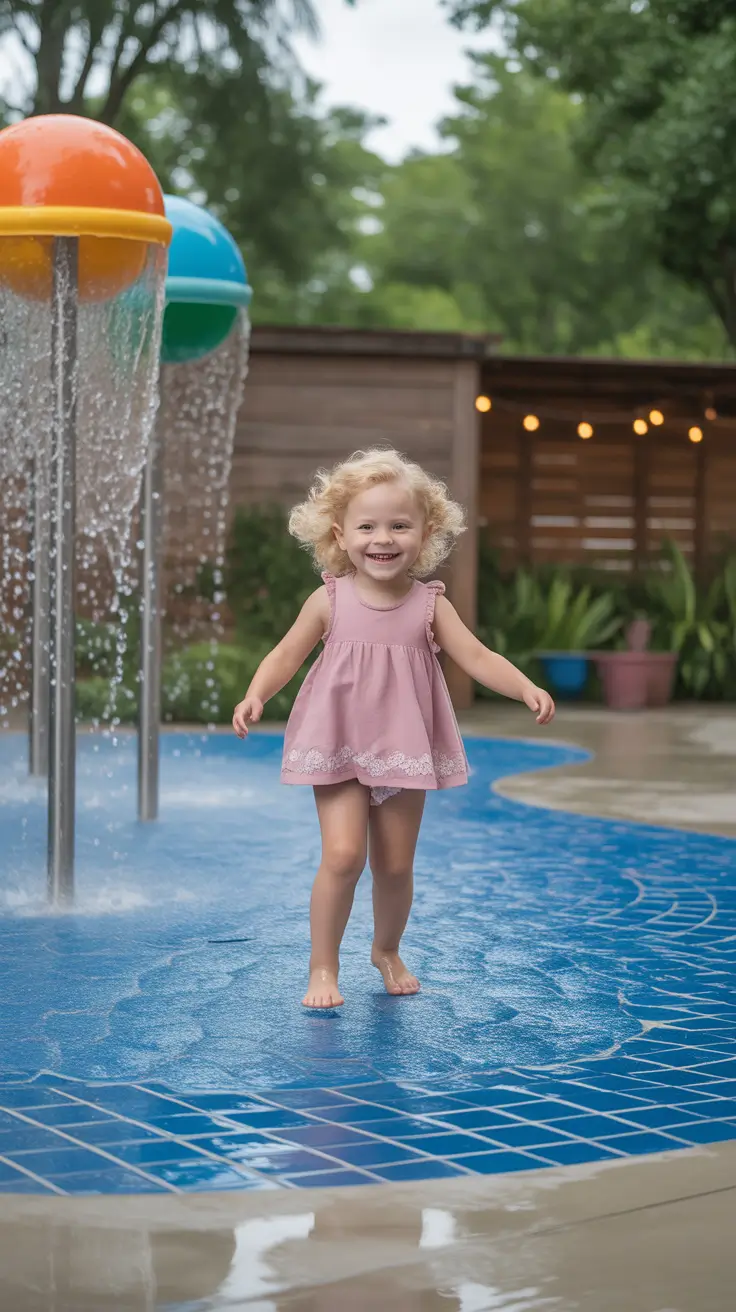
Splash pads, shallow basins, and water walls are safer and easier to maintain than full pools. These features provide sensory stimulation while keeping supervision simple.
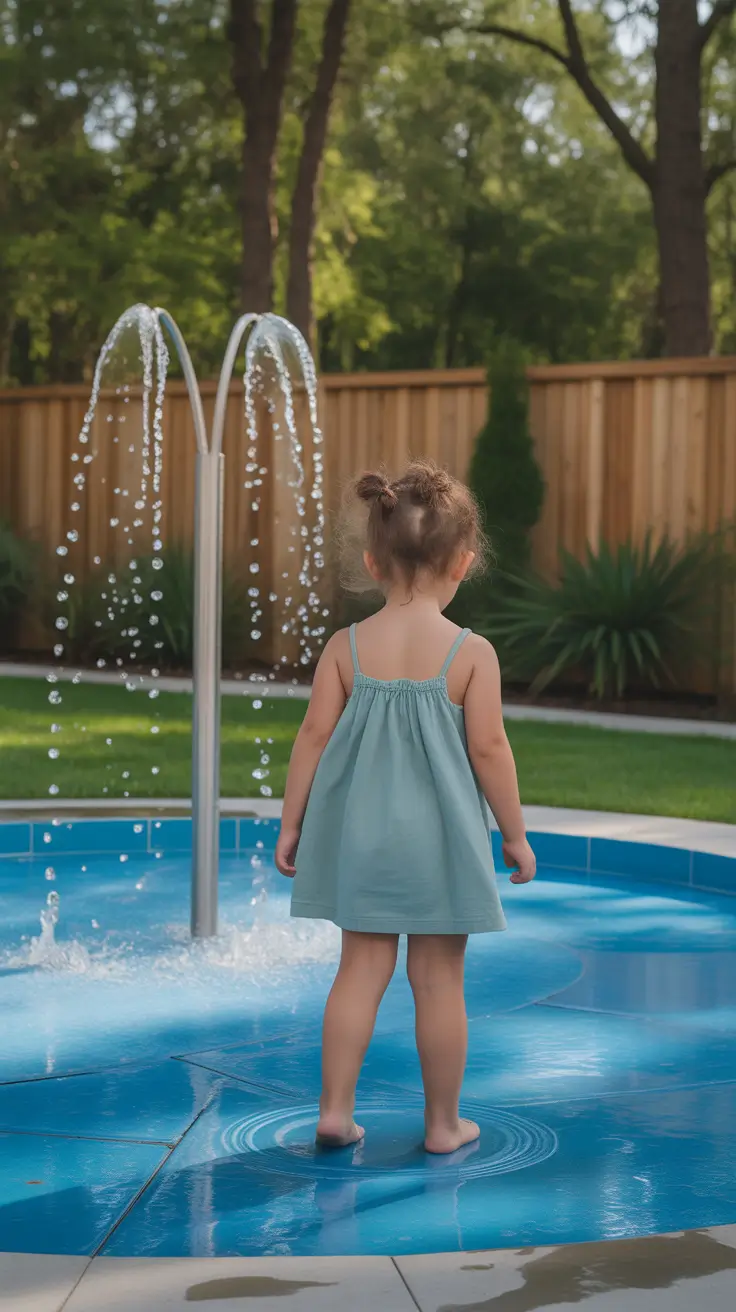
From personal experience, children return to water zones repeatedly throughout the day. The Spruce notes that controlled water features extend outdoor playtime during summer months.
What I would add is slip-resistant flooring to ensure safety during energetic play.
Playground Design Mud Kitchen Ideas Kids Love In 2026
Playground design mud kitchen concepts continue evolving in 2026, becoming more structured while preserving creative freedom. I see them as learning stations rather than just messy play zones.
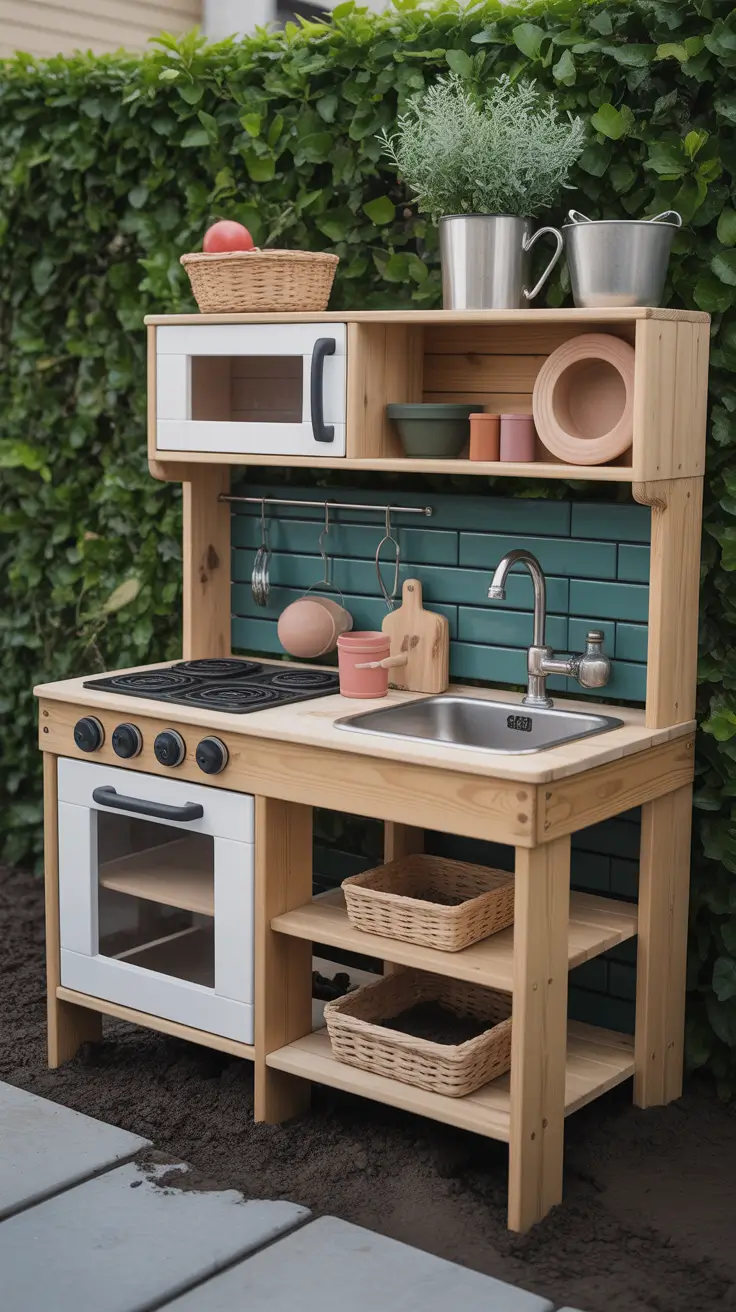
Well-designed mud kitchens include organized shelving, durable countertops, and easy access to natural materials. These setups encourage experimentation and cooperation among children.
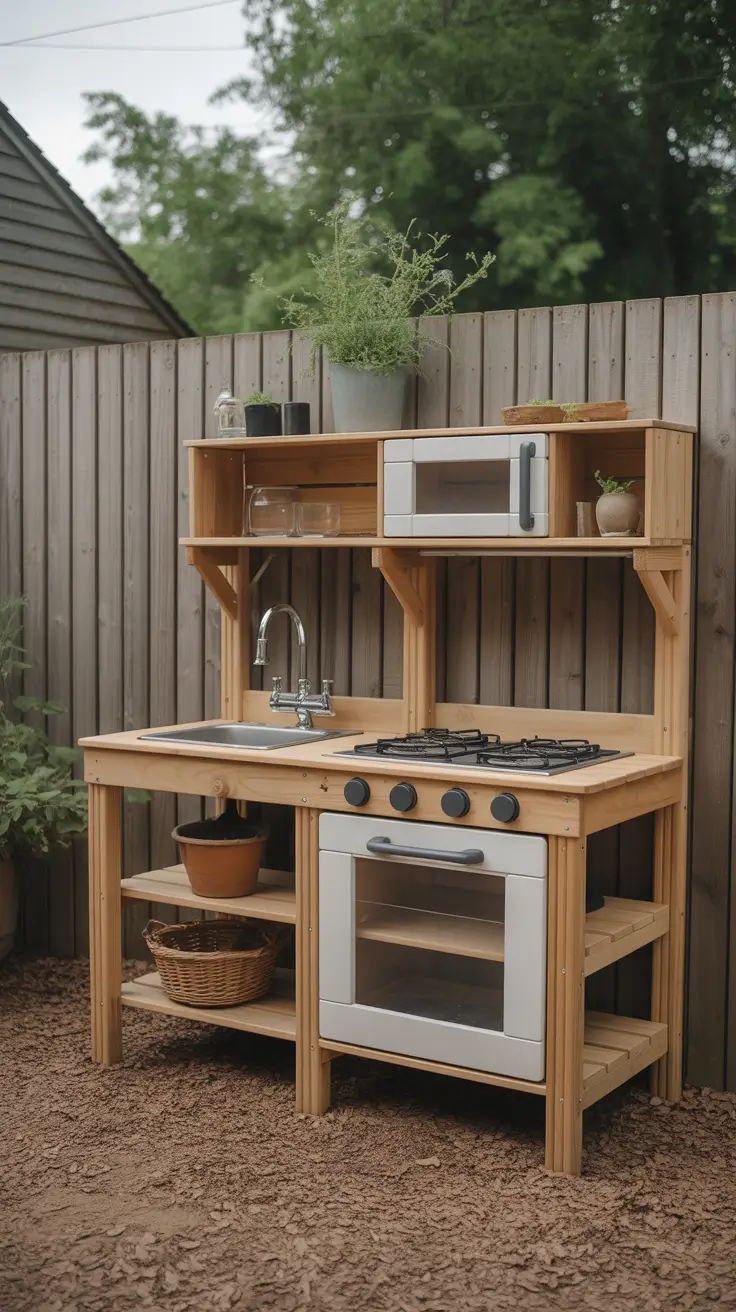
Educational specialists cited by Edutopia often stress the value of hands-on learning, and mud kitchens align perfectly with that philosophy.
What I would still add is nearby storage for tools and aprons to keep the area functional and tidy.
Playground Design Music Wall Ideas For Sensory Play
A Playground design music wall adds a powerful sensory dimension to outdoor spaces. I incorporate these walls to support rhythm, sound exploration, and emotional expression.
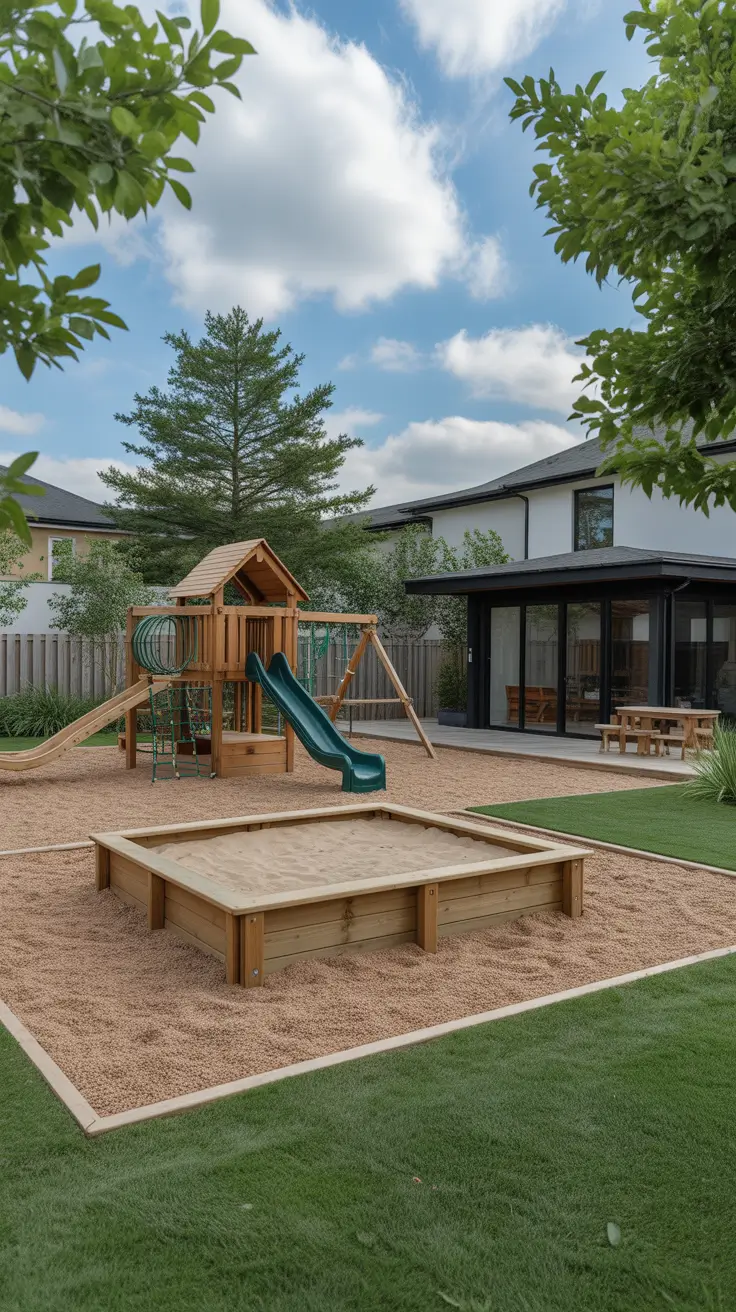
Using metal tubes, wooden panels, bells, and recycled objects creates an interactive experience without overwhelming noise. Placement is key—music walls work best slightly away from quiet zones.
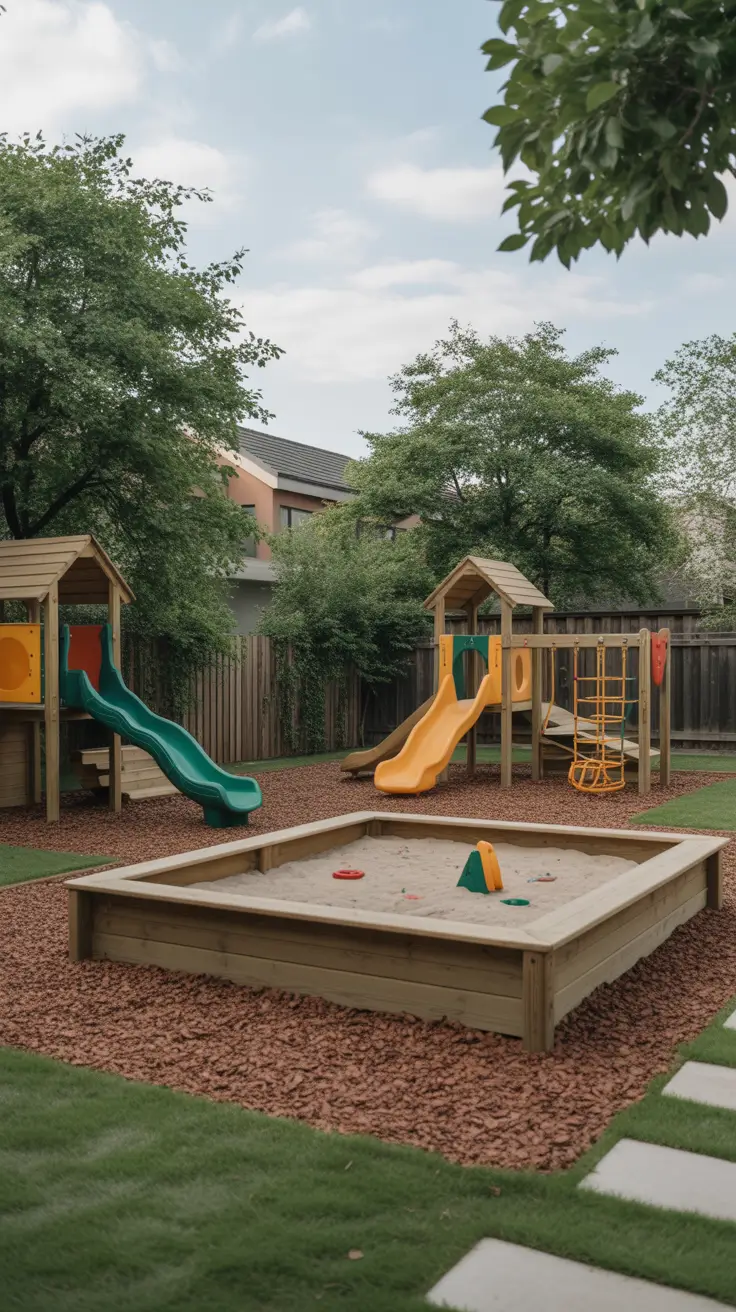
In my experience, children of all ages are drawn to sound-based play. Smithsonian Magazine has discussed how musical interaction supports brain development in early childhood.
What I would add is weather-resistant materials to ensure consistent sound quality and durability year-round.
Sensory Garden Outdoor Play Area Ideas For Curious Kids
A Sensory garden is one of the most thoughtful outdoor additions for kids in 2026. I design these spaces to stimulate sight, sound, touch, and smell while remaining calm and welcoming. Sensory gardens work especially well as part of a larger Backyard play layout.
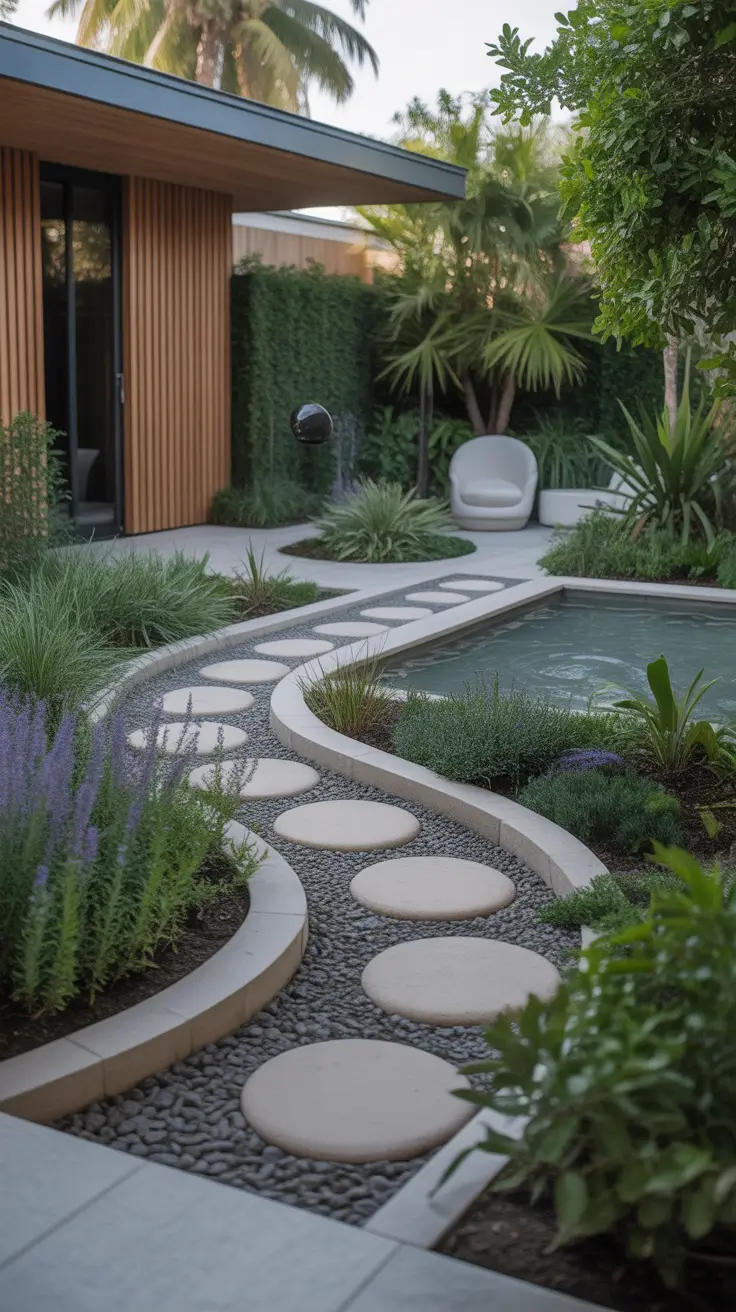
I usually include textured pathways, fragrant plants, water elements, and interactive panels. Wind chimes, soft grasses, and smooth stones invite exploration without overstimulation, making the area suitable for all ages and abilities.
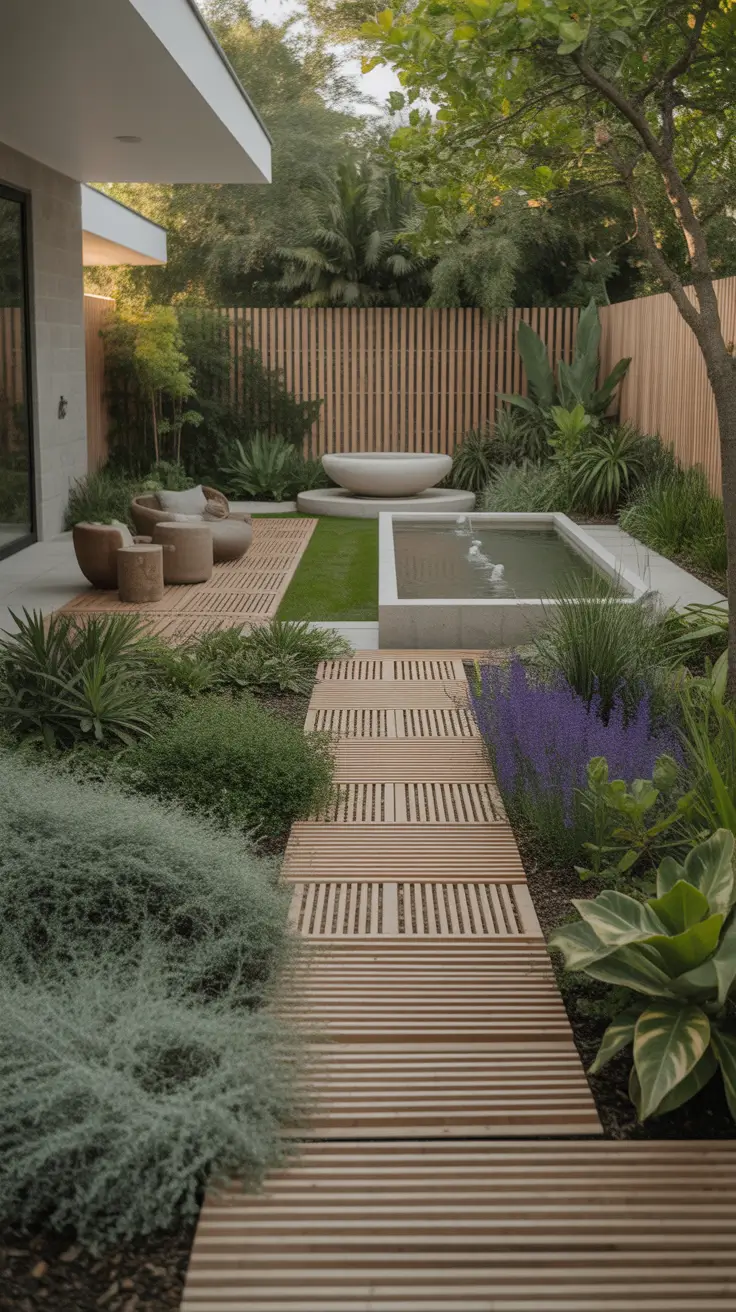
From my experience, sensory gardens encourage longer, more focused engagement. Edutopia often highlights multisensory environments as powerful tools for emotional regulation and learning.
What I would add here is clear circulation space so children can move freely without crowding or confusion.
Simple Outdoor Play Area Ideas That Are Easy To Maintain
In 2026, families value outdoor play spaces that don’t require constant upkeep. Simple designs allow kids to enjoy Play while keeping maintenance realistic for parents.
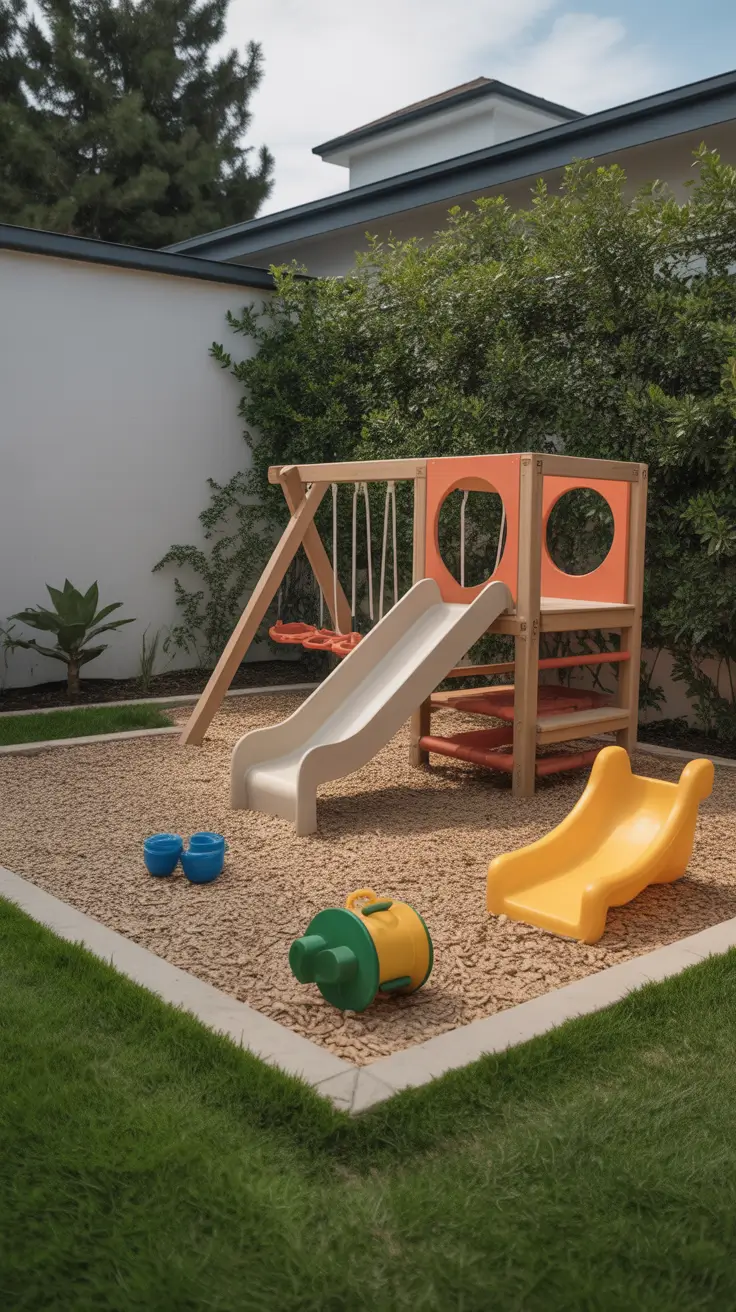
I prefer durable materials like sealed wood, weather-resistant plastics, and minimal moving parts. Open layouts make cleaning easier and prevent dirt from accumulating in hard-to-reach areas.
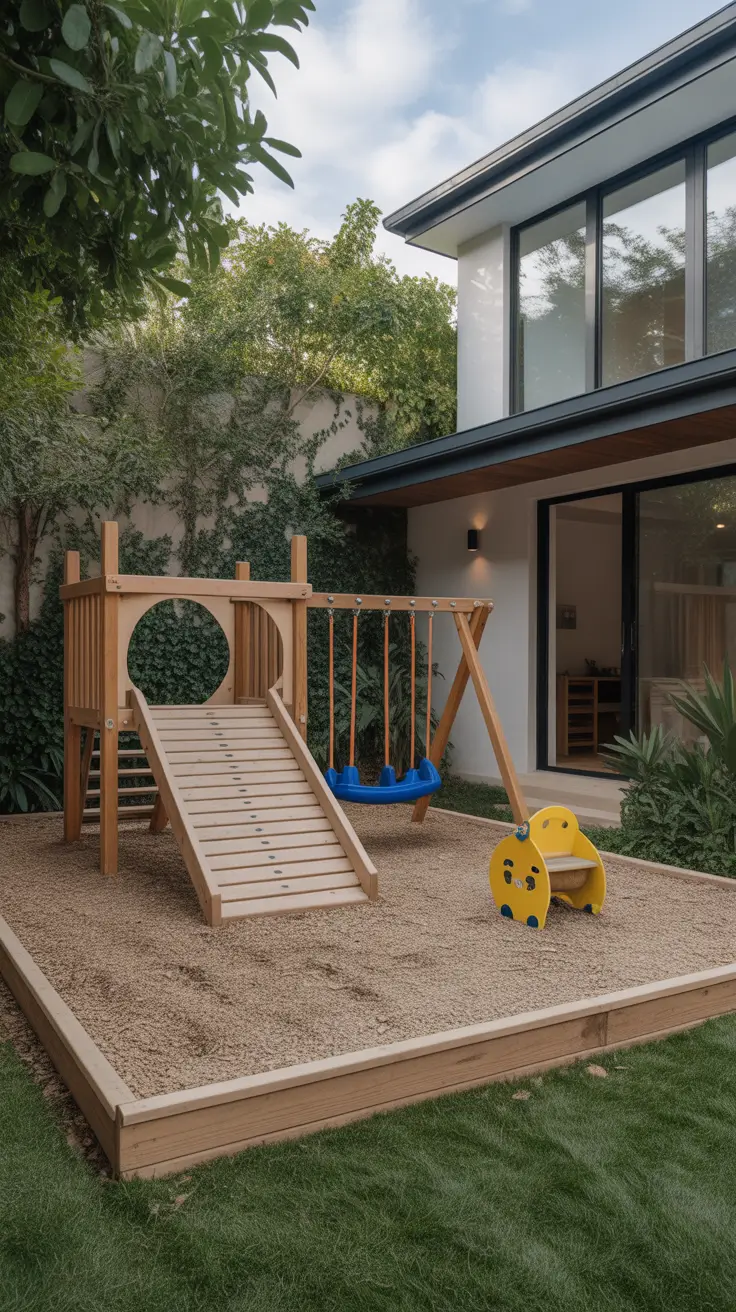
From my own projects, low-maintenance designs stay in use longer. Better Homes & Gardens frequently recommends choosing materials that age gracefully rather than perfectly.
What I would still add is hidden storage to keep toys protected from weather and reduce visual clutter.
Playground Design Ideas Using Rubber Tiles For Safety
Playground design rubber tiles remain a top choice for safety-focused families in 2026. I often use rubber tiles as a base layer to protect children during active play.
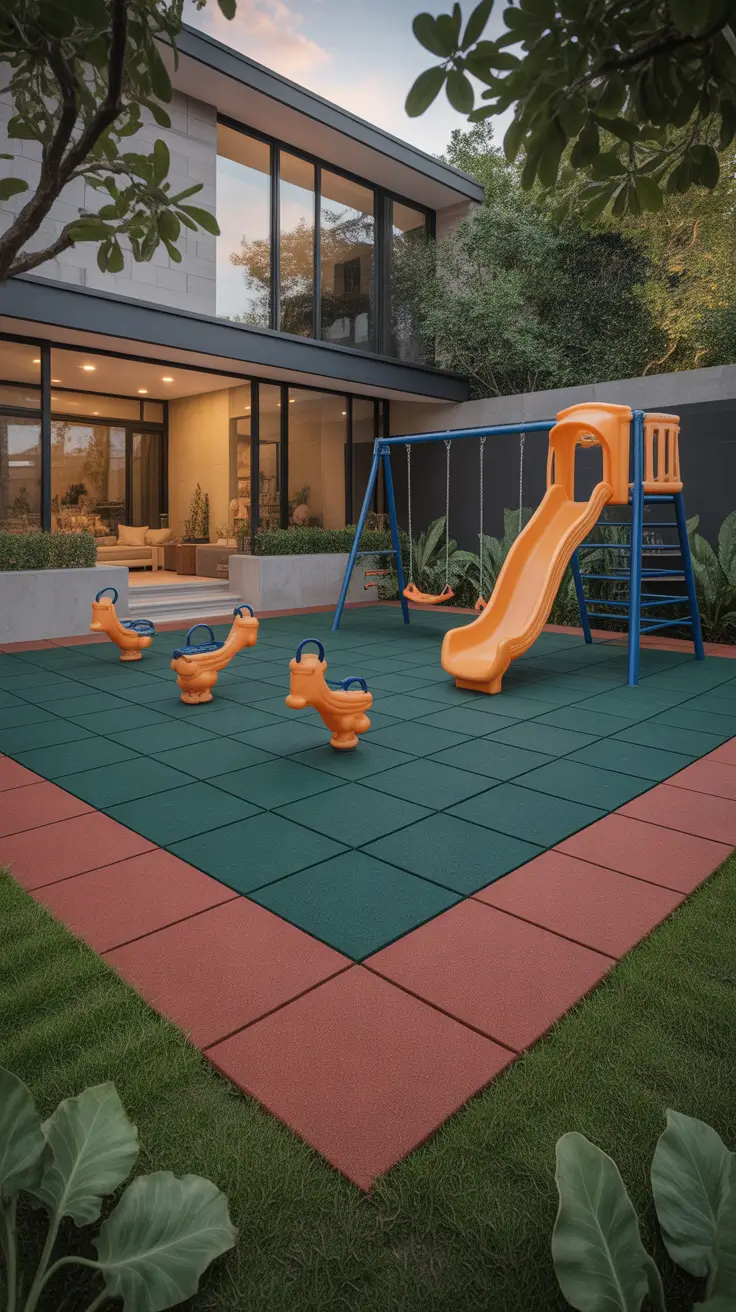
These tiles work well under swings, climbing frames, and balance structures. They’re slip-resistant, weatherproof, and visually clean, making them suitable for both private and shared play areas.
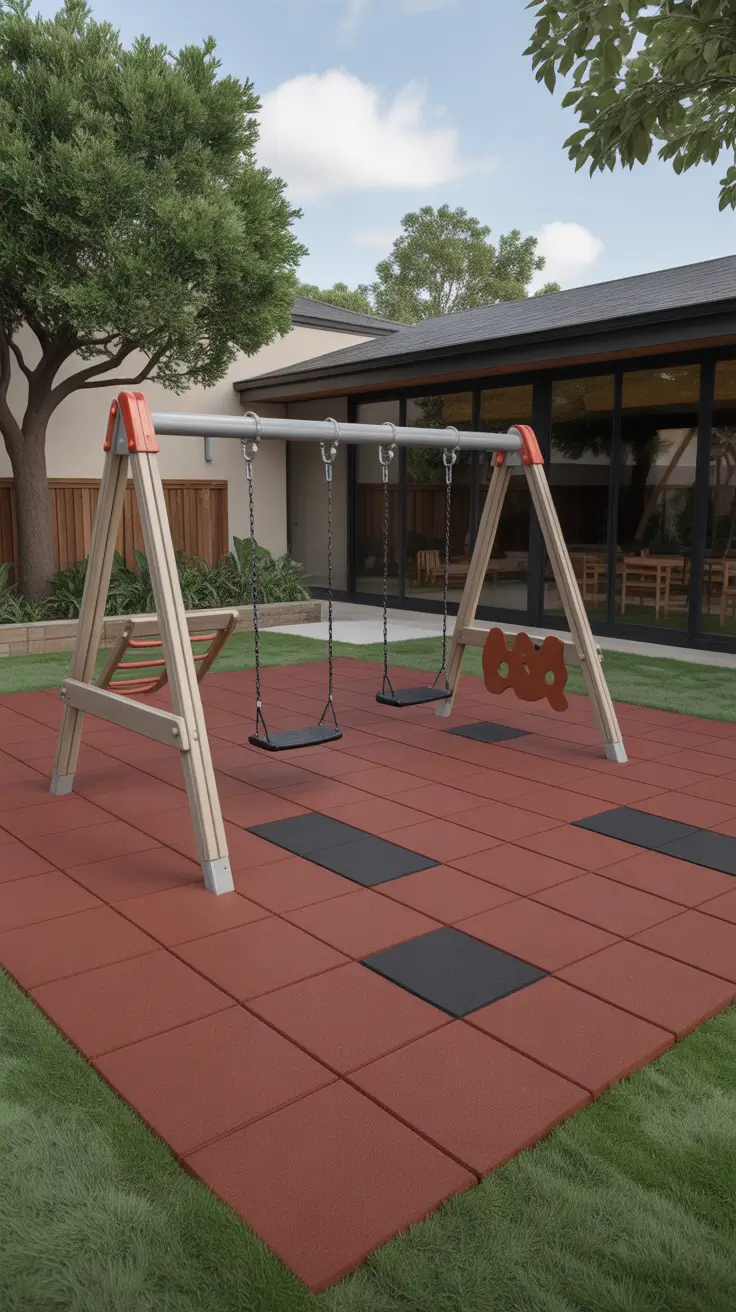
From experience, quality flooring dramatically improves how often a space is used. Consumer Reports regularly emphasizes impact-absorbing surfaces as a critical safety feature.
What I would add is a contrasting edge color to help define the play zone visually.
Nature-Inspired Play Garden Ideas For Outdoor Learning
A Nature-inspired Play garden blends education and play seamlessly. I design these areas to encourage curiosity, observation, and hands-on learning.
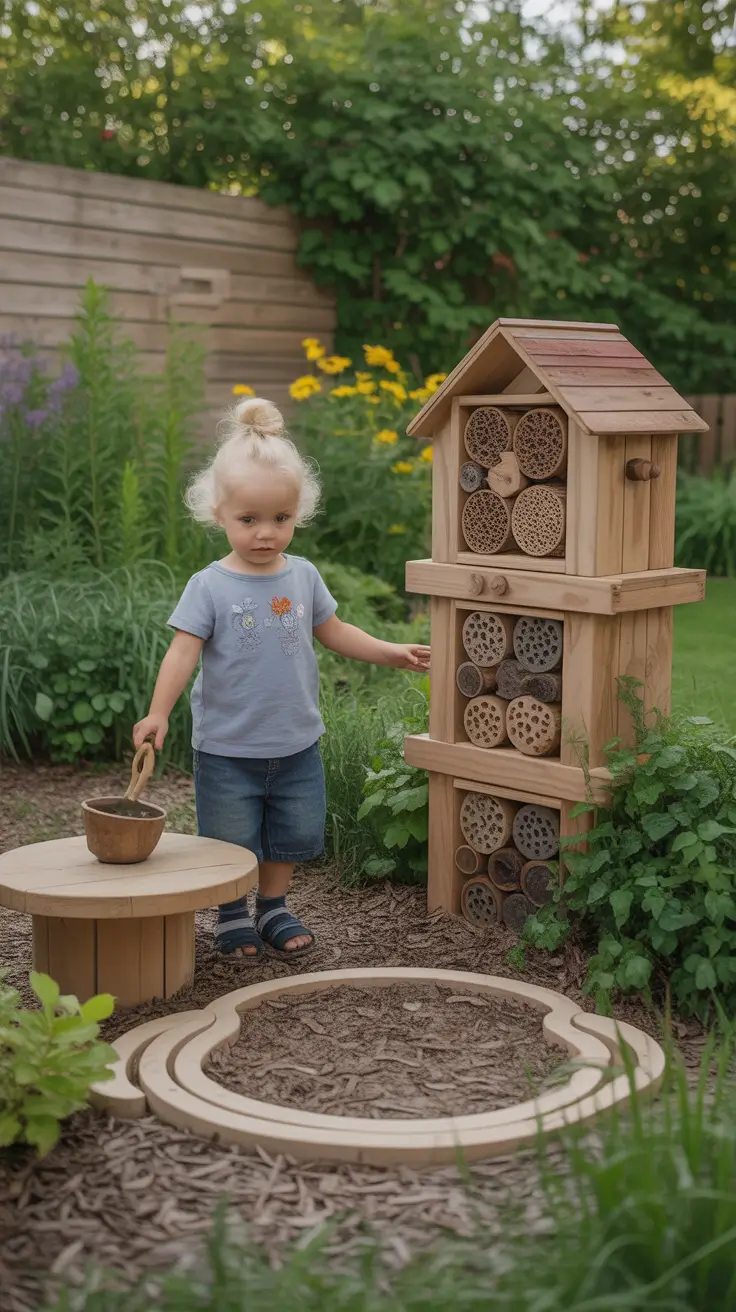
Elements like bug hotels, garden beds, water channels, and natural climbing features support exploration and discovery. These spaces feel more like outdoor classrooms than playgrounds.
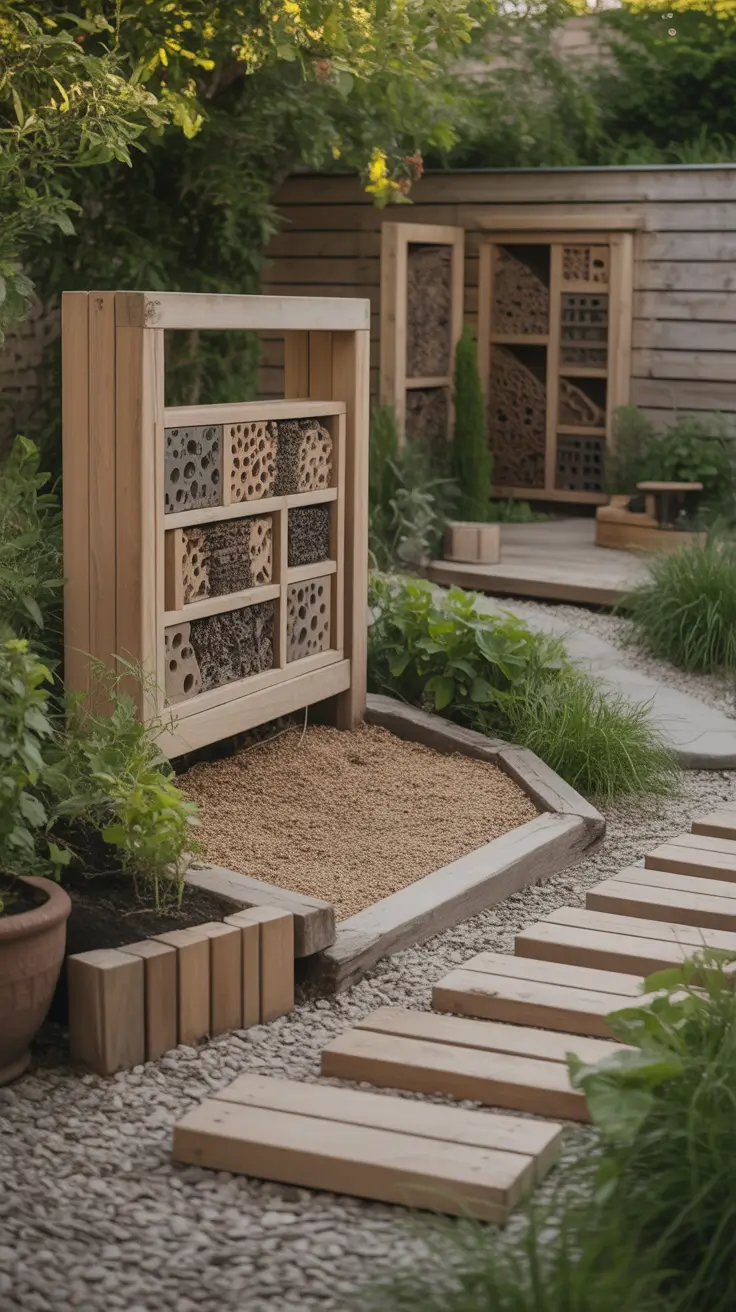
From my experience, kids engage more deeply when learning feels playful. National Wildlife Federation supports outdoor learning as a way to build environmental awareness early.
What I would add here is signage or visual cues to guide exploration without interrupting play.
Conclusion
Outdoor play spaces in 2026 are about intention, flexibility, and connection—to nature, to creativity, and to everyday family life. Whether you’re working with a large backyard or a small rental space, thoughtful design choices can transform any outdoor area into a place kids love to return to. I’d love to hear which ideas inspired you most—share your thoughts, experiences, or questions in the comments and let’s keep the conversation going.