Have you noticed how small garden pond ideas and backyard garden ideas with pond are quietly becoming the centerpiece of modern outdoor living in 2026? A garden pond today is no longer just about Water — it’s about Design, atmosphere, and creating a space that feels intentional, calming, and alive.
In this article, I’ll walk through the most inspiring pond ideas for gardens in 2026, from minimalist modern layouts to romantic, nature-led concepts, and explain how each approach works in real life.
Small Garden Pond Ideas For Modern Outdoor Spaces
I often recommend small garden pond ideas for homeowners who want impact without overwhelming their outdoor space. In modern gardens, these ponds usually rely on clean geometry, shallow basins, and subtle edging that integrates seamlessly into patios or gravel courtyards. The practicality lies in scale — smaller ponds are easier to maintain, safer for families, and still deliver movement and reflection.
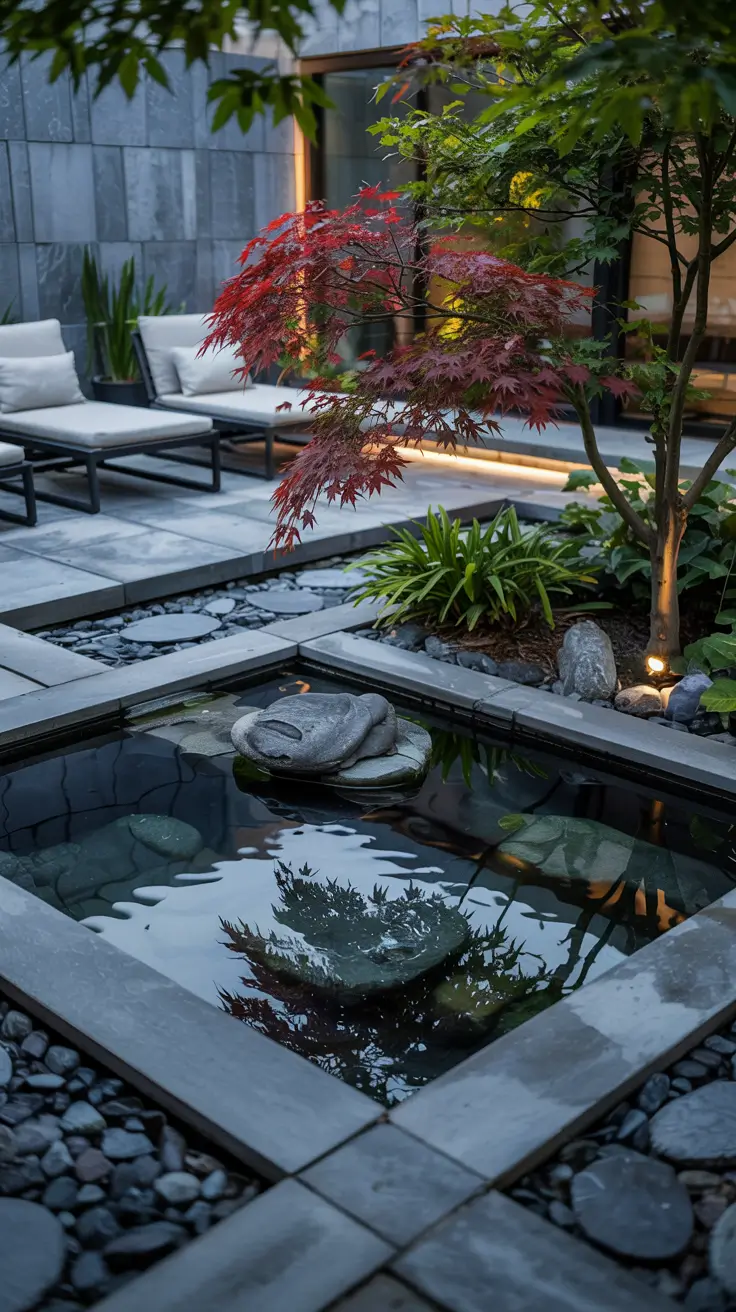
From a design perspective, I focus on minimal materials: smooth concrete rims, dark liners that deepen the look of Water, and discreet circulation systems. Adding a compact bench, low outdoor seating, or a slim planter nearby helps anchor the pond visually and turns it into a pause point rather than a standalone feature.
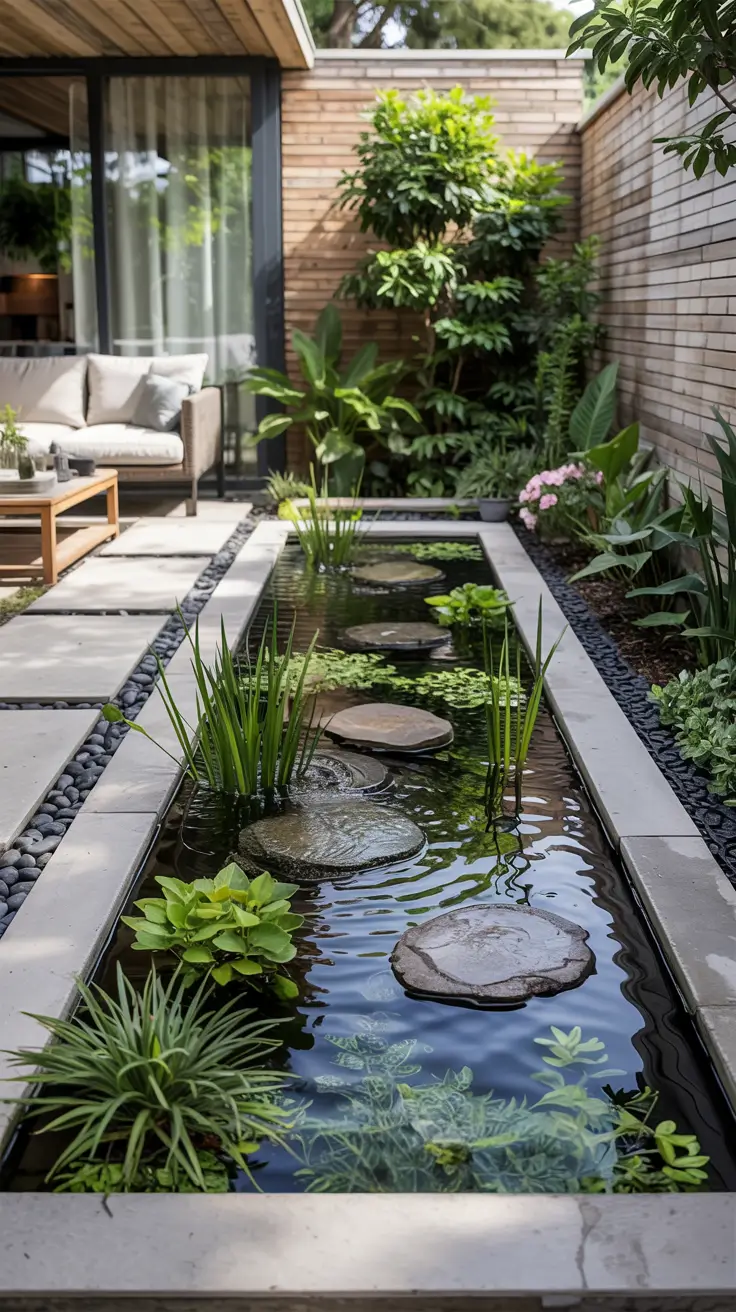
Personally, I’ve seen small ponds outperform large ones in daily enjoyment. Landscape designers featured in Architectural Digest often emphasize that restraint creates longevity, and I agree — a modest pond feels timeless rather than trendy.
What’s often missing here is intentional lighting. I always suggest adding a subtle underwater LED or nearby ground light to extend usability into the evening.
Backyard Garden Ideas With Pond For Relaxed Living
When exploring backyard garden ideas with pond, I prioritize layouts that support everyday relaxation. These ponds are typically placed where they can be viewed from seating areas, kitchens, or decks, turning the Backyard into a lived-in sanctuary rather than a decorative zone.
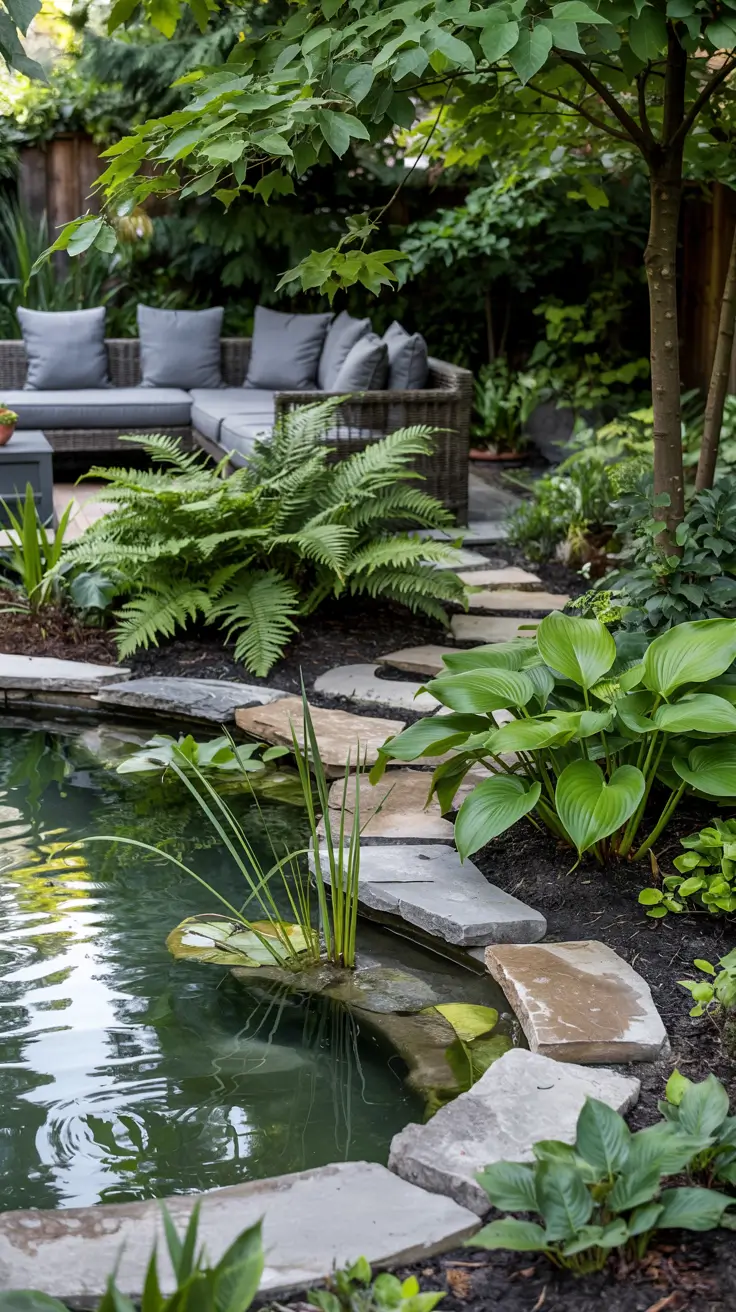
Furniture plays a major role. I usually incorporate weather-resistant loungers, wooden benches, or low-profile sofas positioned parallel to the pond edge. Natural stone coping and soft planting transitions help blur boundaries, making the pond feel like part of the landscape rather than an add-on.
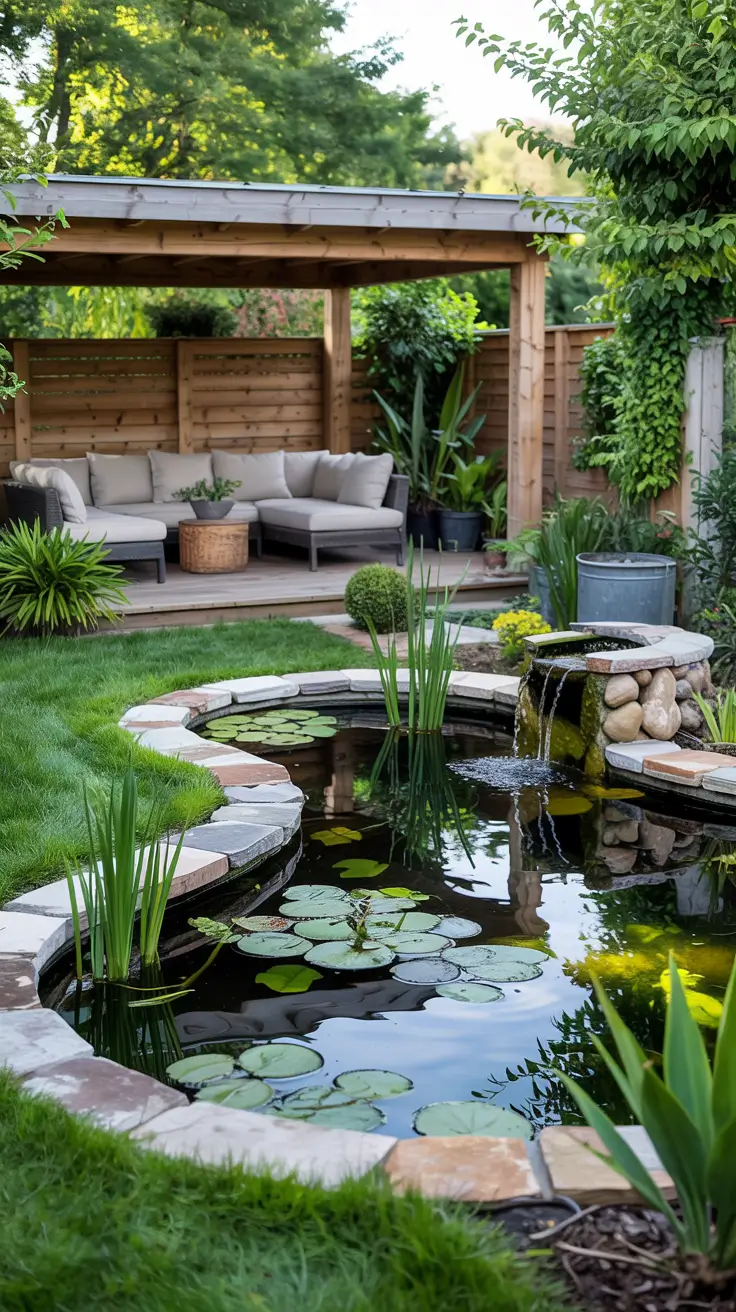
From experience, the sound of moving Water changes how a space is used. Even a gentle ripple encourages people to linger. Designers at Garden Design Magazine often highlight ponds as stress-reducing elements, and I’ve seen that effect firsthand.
What’s often overlooked is storage — I recommend integrating a hidden bench or side table to keep pond tools and cushions accessible but out of sight.
Pond Rockery Garden Ideas Inspired By Nature
Pond rockery garden ideas are ideal for homeowners drawn to organic, terrain-driven landscapes. These designs use layered stone, gravel, and planting pockets to mimic natural slopes, allowing the pond to feel carved rather than constructed.
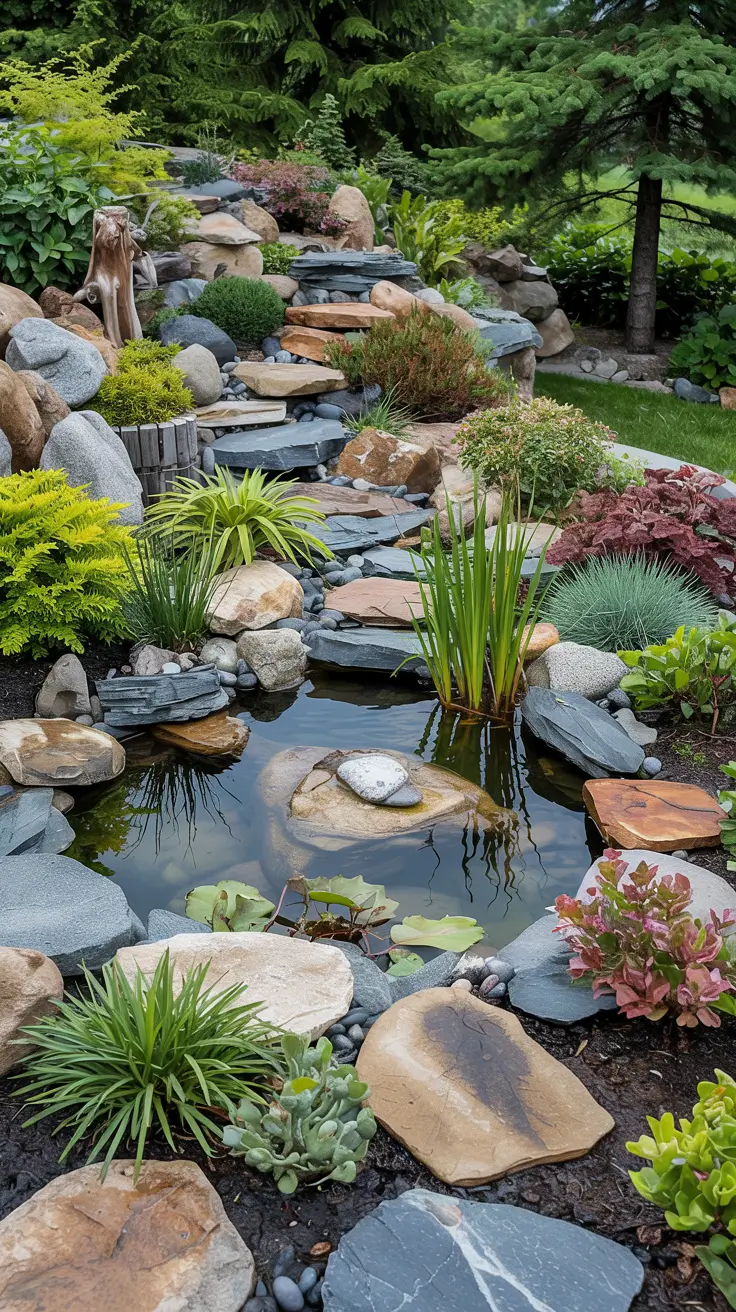
I pay close attention to stone selection. Flat stones stabilize edges, while irregular boulders create visual rhythm and shelter for Wildlife. Low alpine plants, mosses, and grasses soften the rockwork and help regulate temperature around the Water.
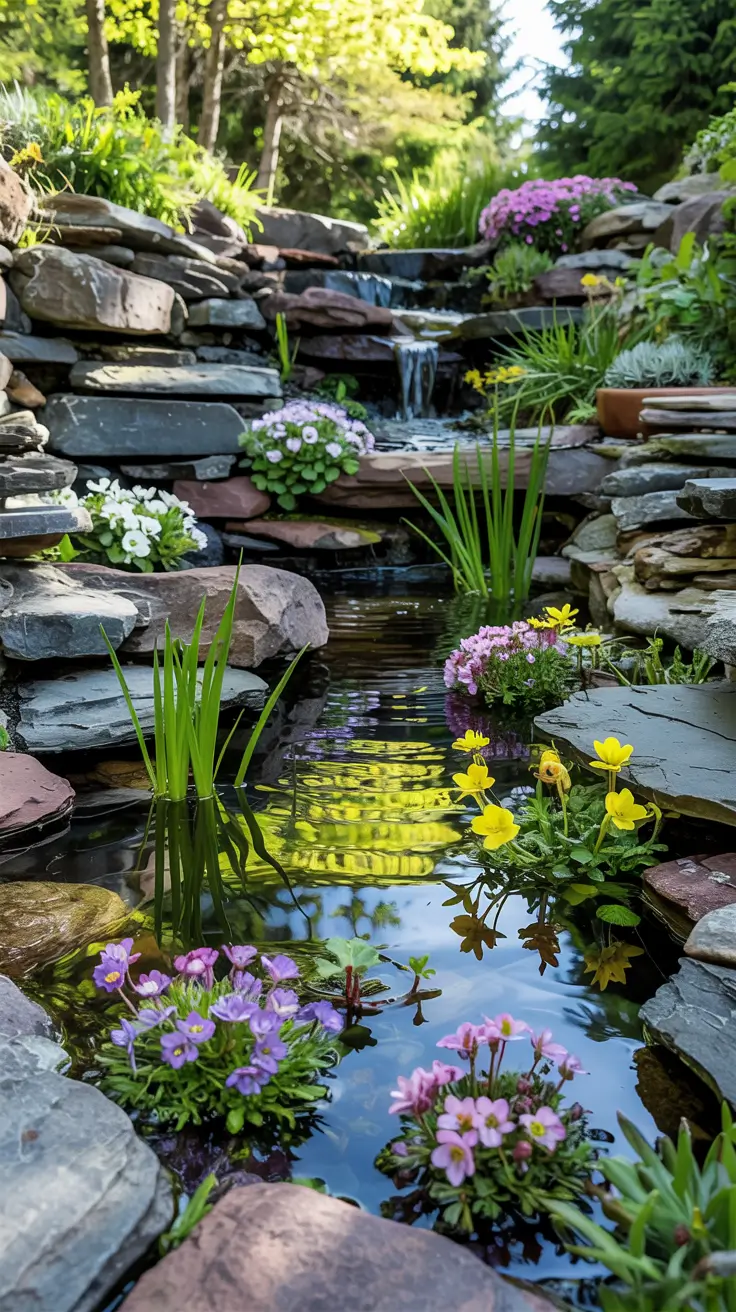
In my own projects, rockery ponds age beautifully. As stones weather and plants mature, the design becomes more authentic over time. US landscape architects often stress that imperfection is key to naturalistic gardens — something I fully embrace.
What’s commonly missing is seating integration. A single stone slab or timber perch can turn the rockery into a usable resting spot.
Garden Pond Landscaping Ideas With Natural Flow
The best garden pond landscaping ideas focus on flow — visual, physical, and ecological. I design these ponds to guide the eye through planting layers, pathways, and elevation changes, ensuring the pond feels embedded within the garden rather than isolated.
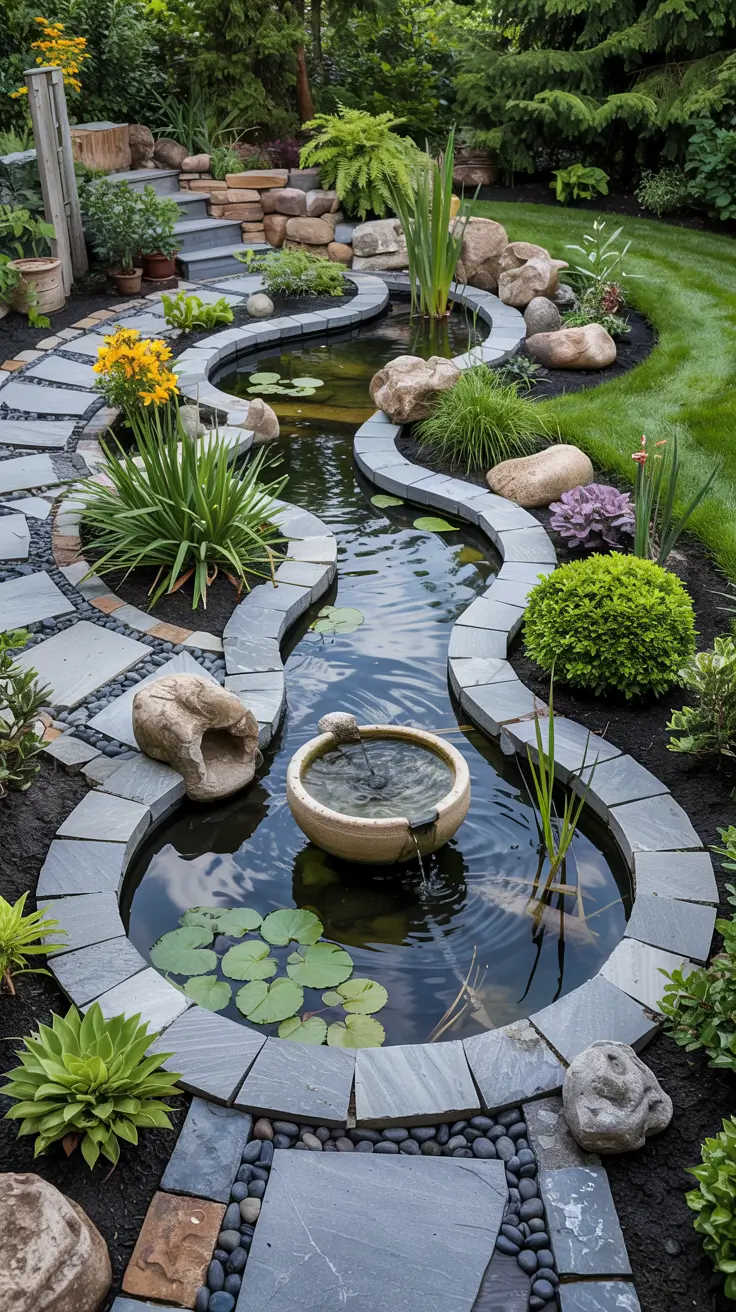
Plant placement matters here. Taller grasses frame the background, mid-height shrubs define edges, and low ground covers soften transitions. Curved pathways and stepping stones help visitors move naturally around the pond without disrupting sightlines.
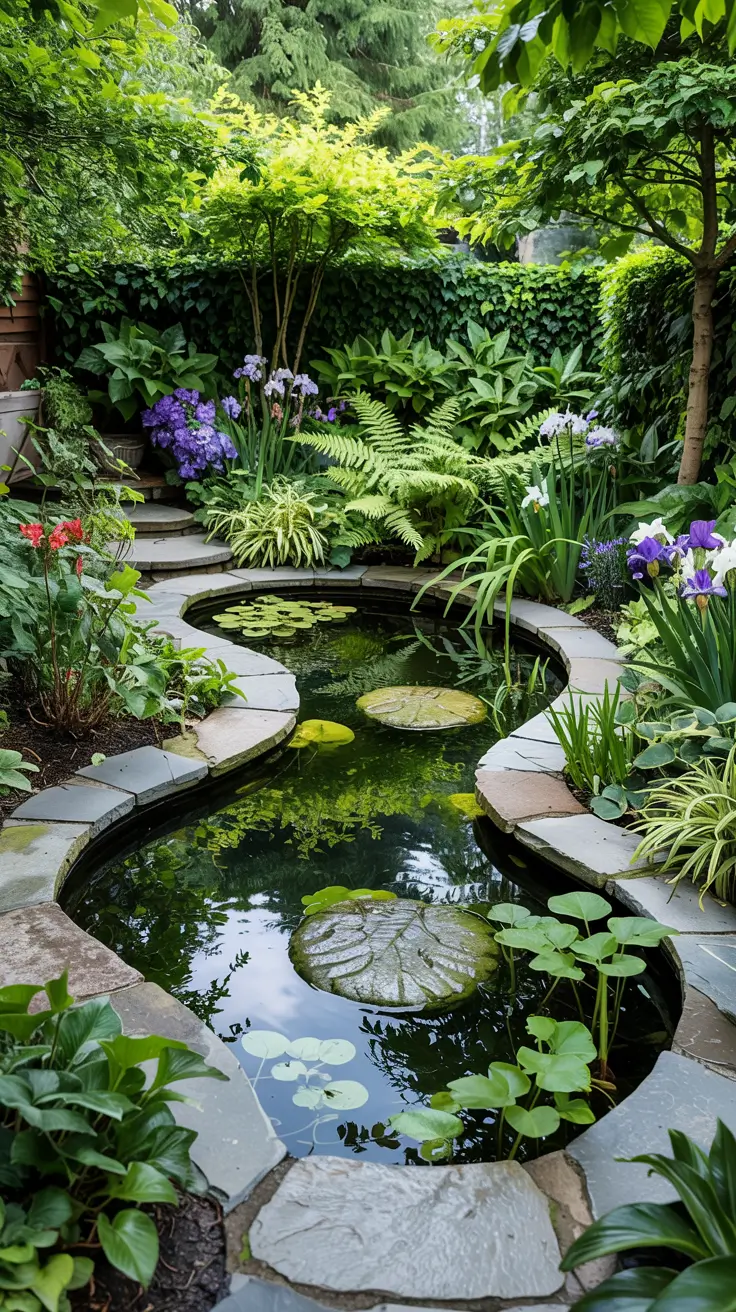
From personal observation, gardens with flowing layouts are easier to maintain because they follow intuitive access routes. Landscape professionals frequently note that good flow reduces wear patterns and compaction around water features.
What’s often missing is circulation planning. I always advise including discreet pumps and filters early in the design phase to avoid retrofitting later.
Bathtub Pond Ideas For A Creative Water Garden
Bathtub pond ideas water garden concepts are perfect for creative homeowners who enjoy repurposed materials. These ponds work especially well in courtyards or Front gardens where scale and charm matter more than size.
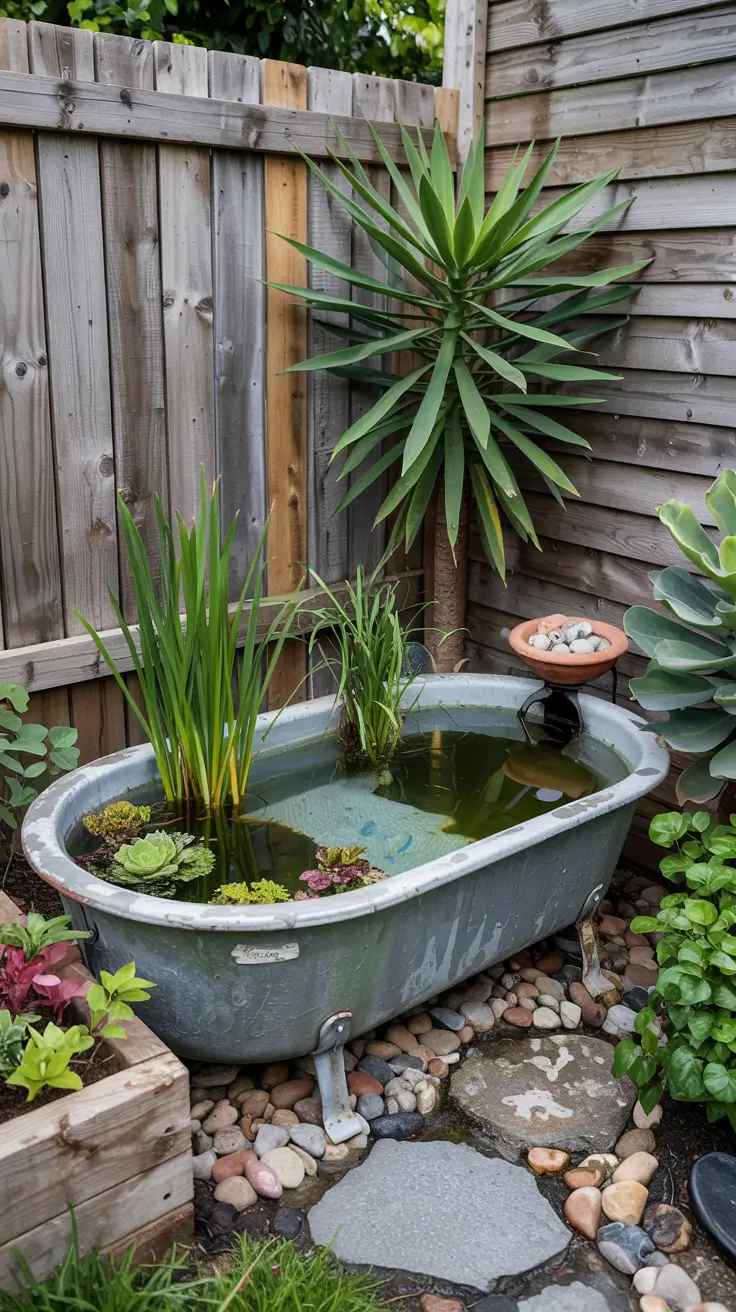
I usually select vintage cast-iron or enamel tubs, pairing them with brick bases or gravel beds for stability. Aquatic plants, floating lilies, and subtle Container water movement keep the pond visually active without complex systems.
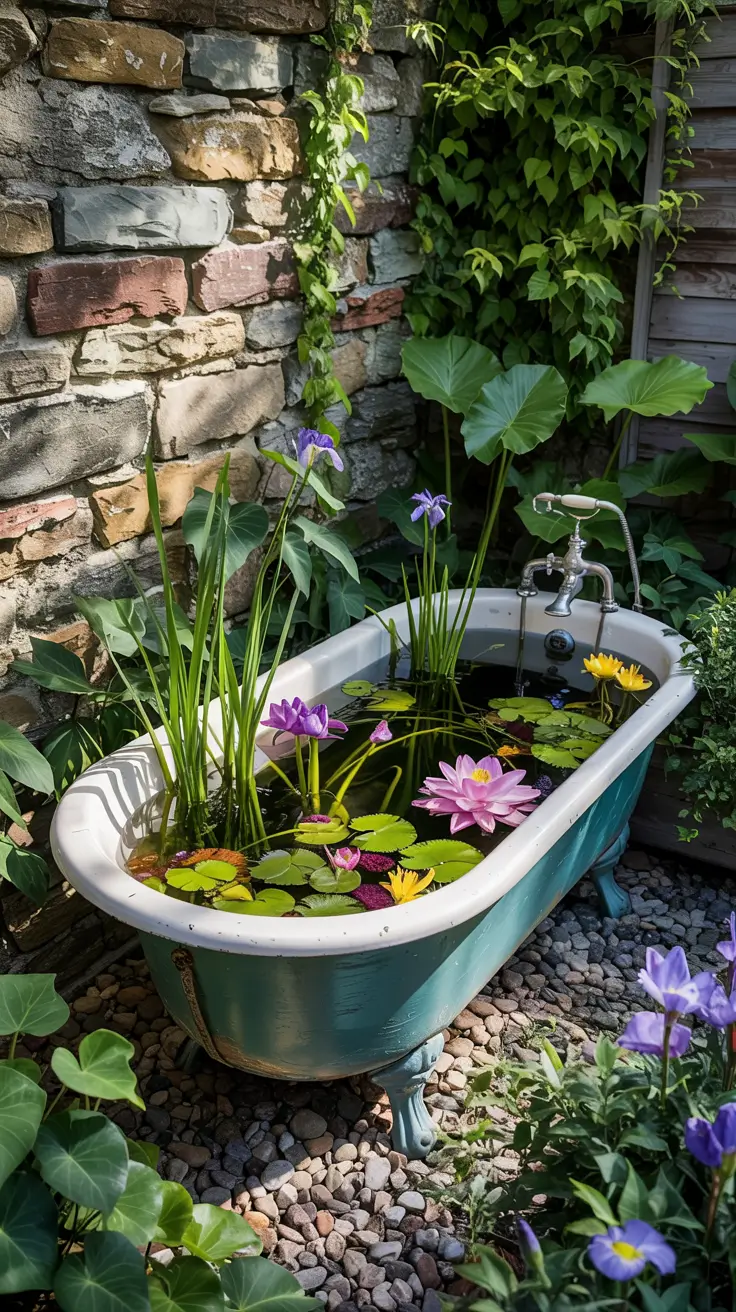
In my experience, these ponds spark conversation more than any other style. Designers featured in Better Homes & Gardens often praise reuse as both sustainable and emotionally engaging — a sentiment I strongly share.
What’s often missing is drainage consideration. I always recommend a concealed overflow outlet to prevent waterlogging during heavy rain.
Garden Pond Lighting Ideas For Evening Atmosphere
Thoughtful garden pond lighting ideas transform a pond from daytime feature to nighttime focal point. In 2026 designs, lighting is subtle, layered, and energy-efficient rather than dramatic.
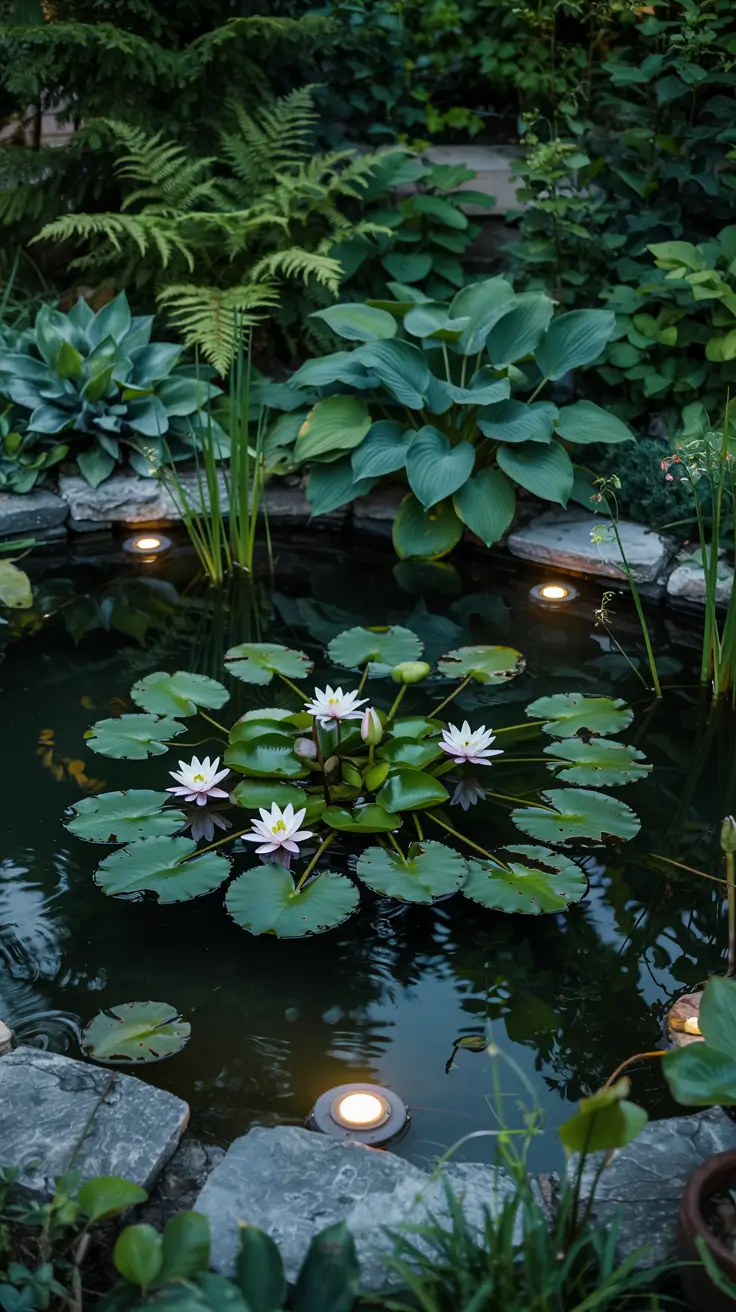
I work with underwater LEDs, soft edge lights, and reflected uplighting through plants to create depth without glare. Lighting should highlight ripples, stones, and Fountains outdoor without overwhelming the natural mood.
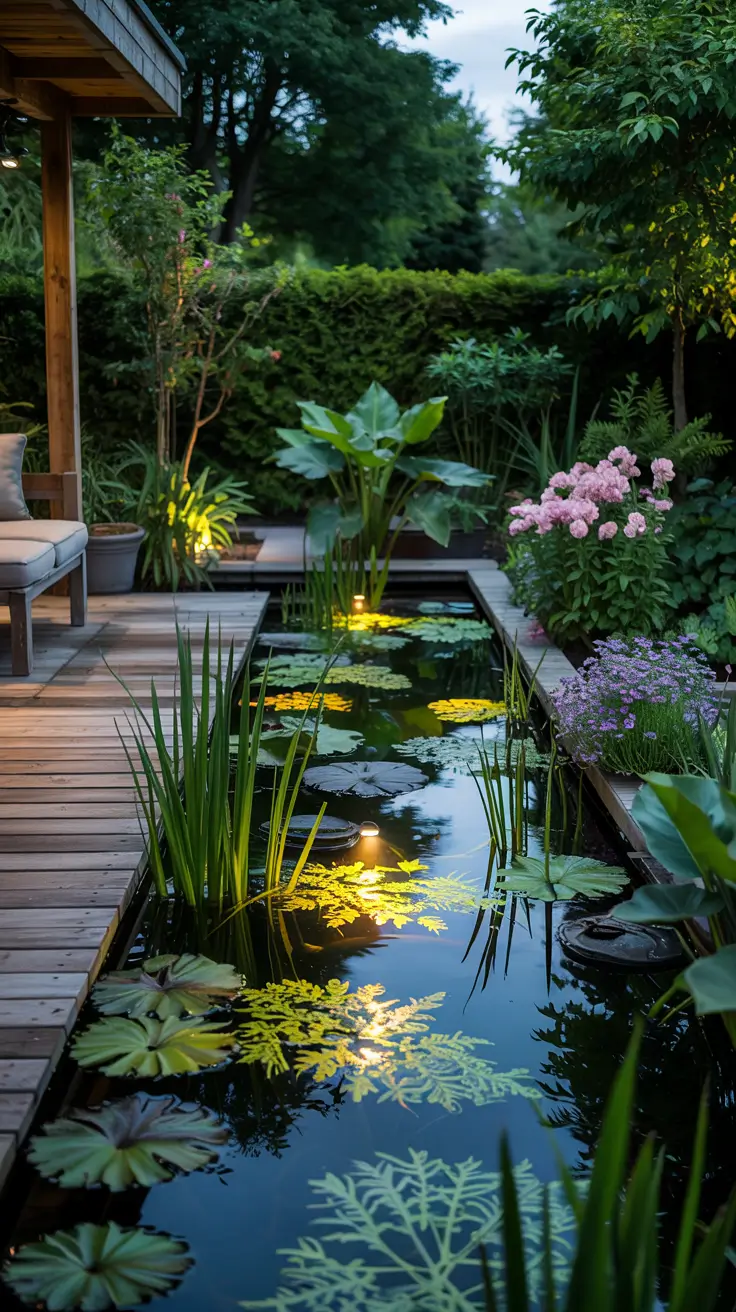
From my perspective, lighting is what makes a pond feel intentional after sunset. Many US lighting designers emphasize “dark-sky friendly” approaches, which align perfectly with garden ponds.
What’s often missing is lighting control. I recommend timers or smart systems so the pond adapts to seasons and usage patterns.
Garden Pond Ideas With Waterfall For Tranquil Yards
Garden pond ideas waterfall designs introduce movement and sound, making them ideal for homeowners seeking a calming outdoor escape. A Waterfall also improves oxygenation, which benefits Fish and plant life.
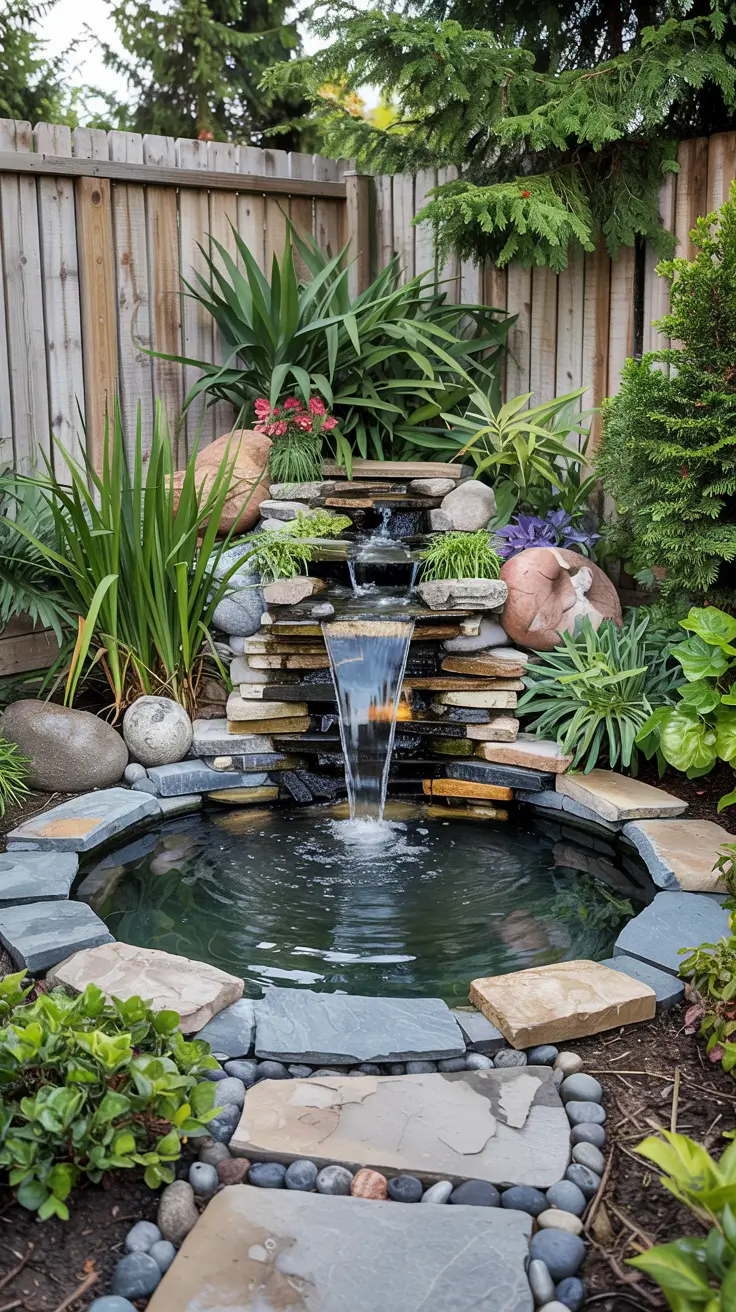
I typically integrate waterfalls using stacked stone or concrete forms disguised with rock and planting. The key is scale — a waterfall should complement the pond, not dominate it. Seating positioned nearby allows users to fully enjoy the sensory experience.
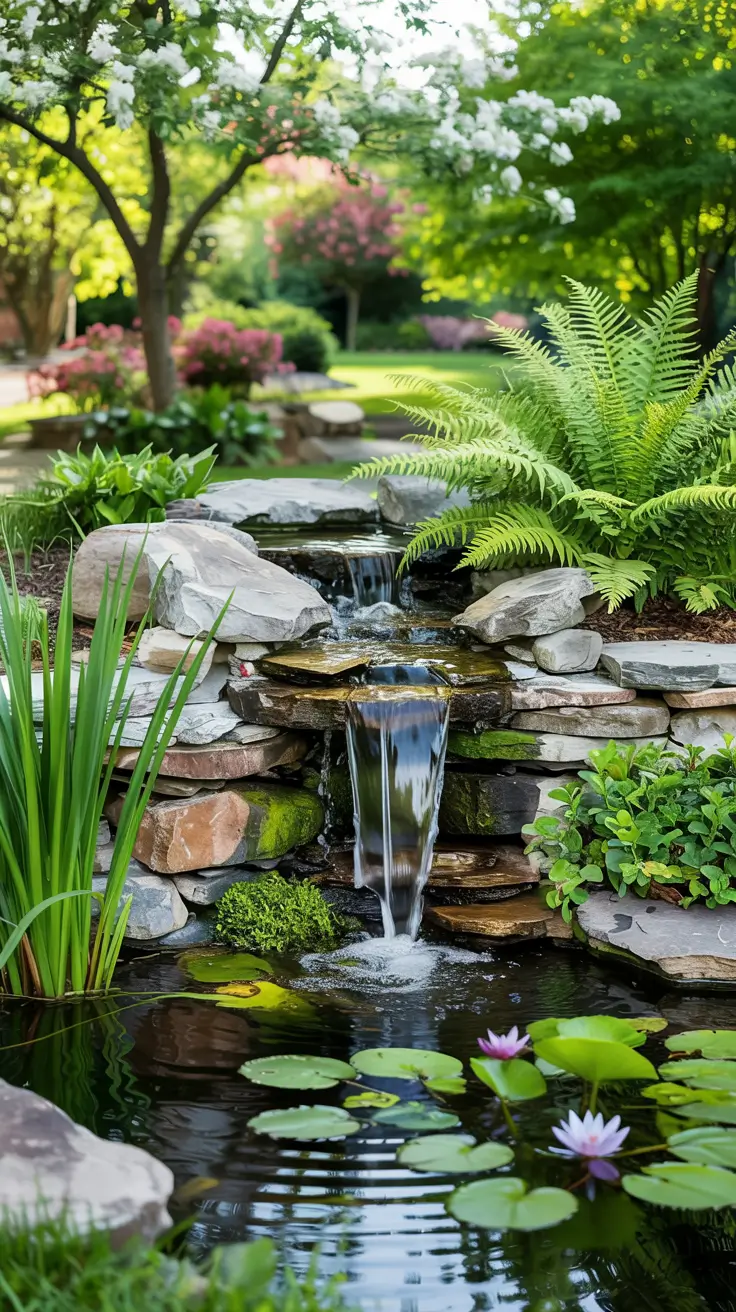
Personally, I find waterfall ponds the most emotionally engaging. Landscape experts frequently cite moving water as a core element of restorative garden design, and I’ve seen how quickly people gravitate toward it.
What’s often missing is acoustic planning. I always test sound levels to ensure the waterfall soothes rather than overwhelms nearby spaces.
Garden Raised Pond Ideas With Clean Design Lines
When I work with garden raised pond ideas, I usually recommend them for gardens where clarity and structure matter. A Raised pond instantly feels intentional and architectural, especially in modern outdoor spaces where clean lines define the overall Design. Beyond aesthetics, raised ponds are practical — they reduce bending during maintenance and clearly separate water from planting zones.
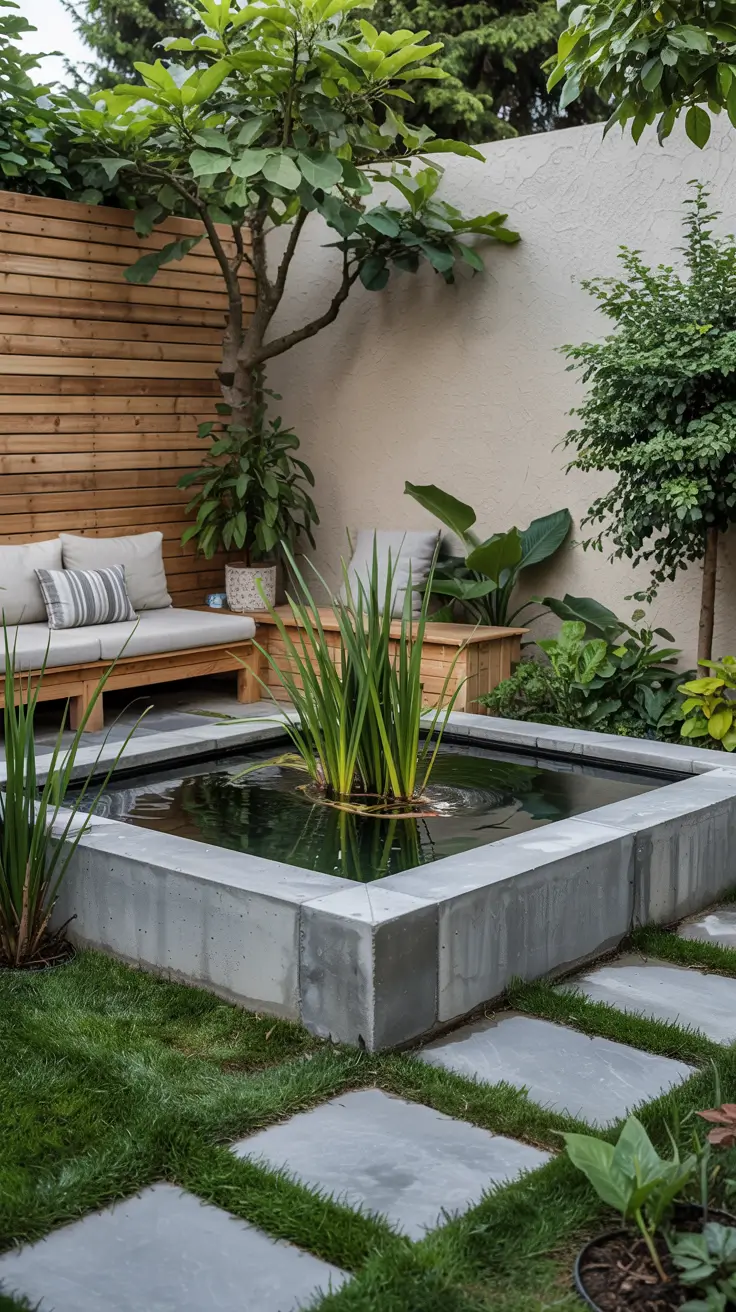
In terms of materials, I often use rendered concrete, stone blocks, or timber cladding. Built-in ledges double as casual seating, while wide coping stones create a natural place to rest drinks or small decor. The height also allows better visibility of Water movement and plant life from a distance.
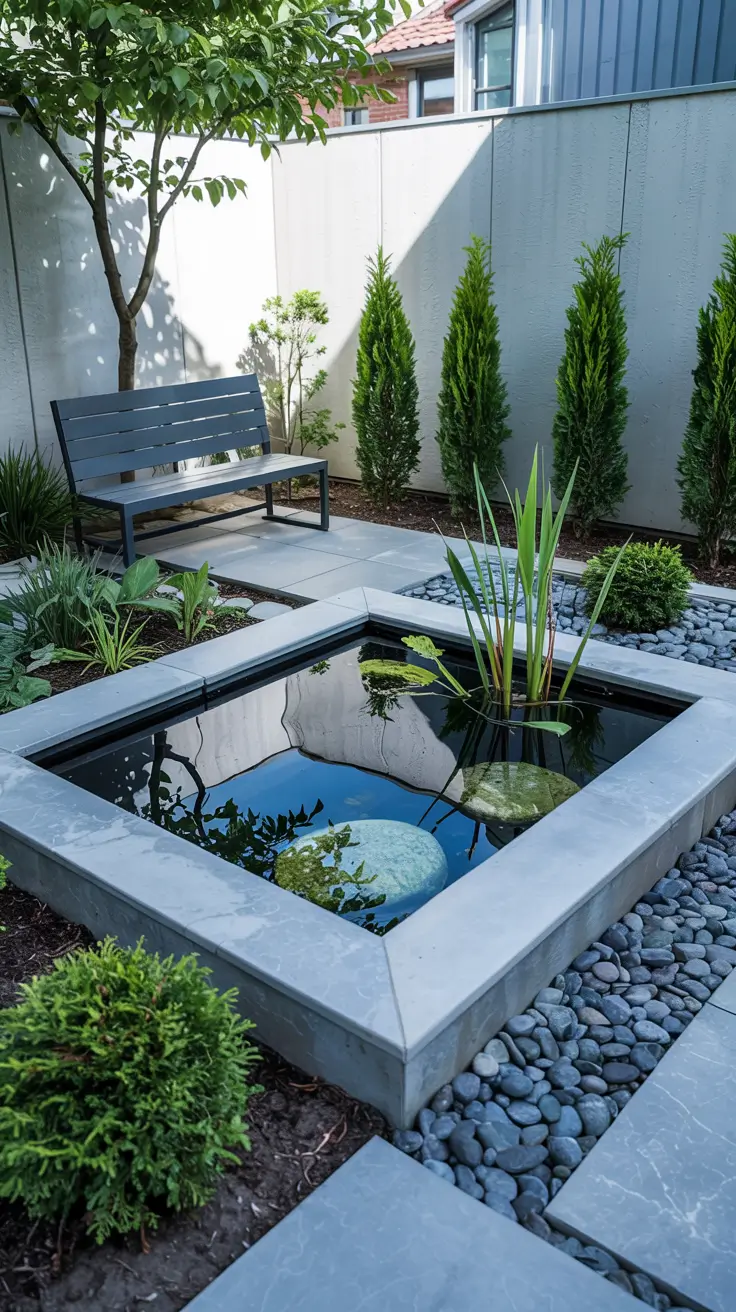
From my experience, raised ponds bring order to visually busy gardens. Many contemporary landscape designers in the US note that elevation helps frame water features as focal points rather than background elements, and I’ve seen this work beautifully in compact and large gardens alike.
What’s often missing is proportional planting. I always suggest balancing the strong structure with softer plants nearby to avoid a rigid look.
DIY Small Garden Pond Ideas For 2026 Gardens
I see diy small garden pond ideas becoming increasingly refined in 2026. Homeowners want hands-on projects that still feel polished and long-lasting. These ponds focus on smart layouts, simple liners, and manageable footprints that don’t require professional installation.
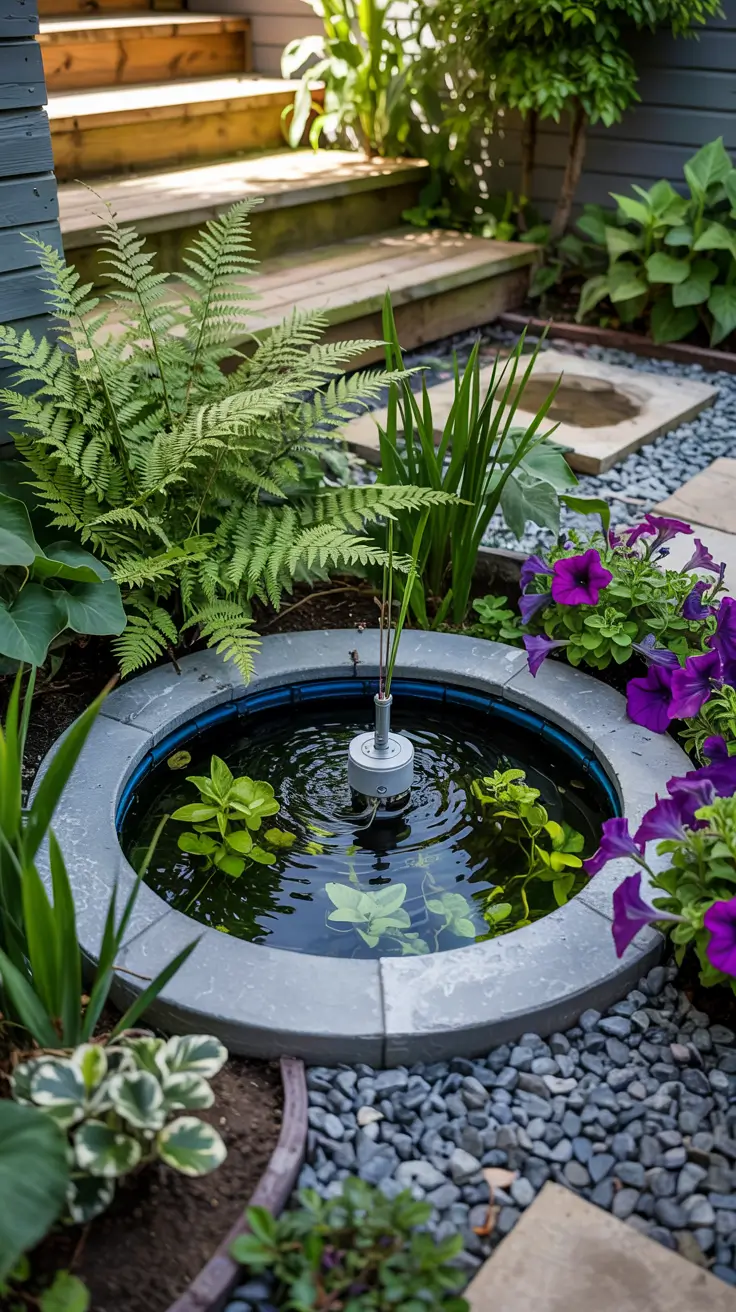
When planning a Diy pond, I prioritize essential components: a reliable liner, compact pump, and subtle edging. Materials like gravel, reclaimed stone, or wood sleepers help keep costs down while adding character. The key is choosing elements that age well rather than quick fixes.
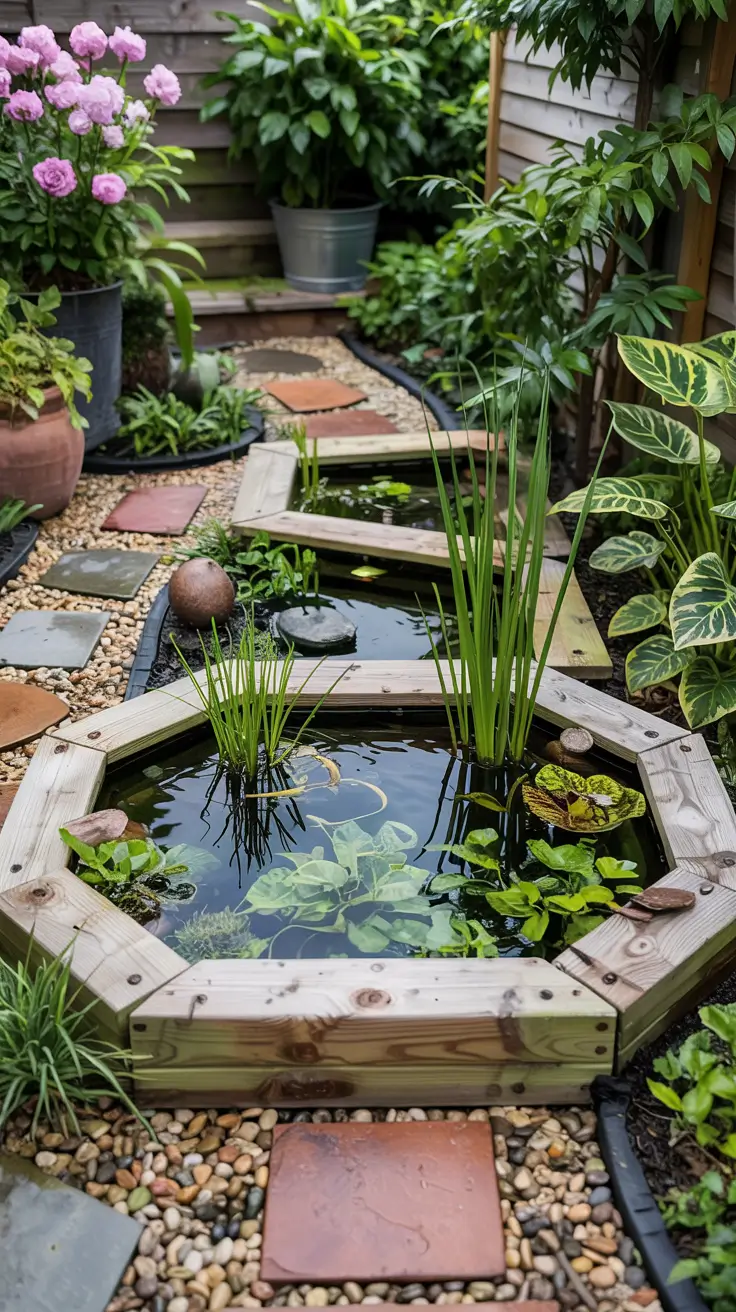
Personally, I love DIY ponds because they encourage learning and experimentation. Garden experts frequently emphasize that small, well-planned projects are more successful long-term than ambitious builds, and I fully agree with that approach.
What’s often missing is future-proofing. I recommend leaving space for upgrades like lighting or plant expansion from the start.
Garden Pond Plant Ideas For Lush Water Features
Strong garden pond plant ideas are what turn a pond into a living ecosystem. In 2026, planting focuses on balance — visual beauty paired with ecological function. Plants help filter Water, provide shade, and support Wildlife.
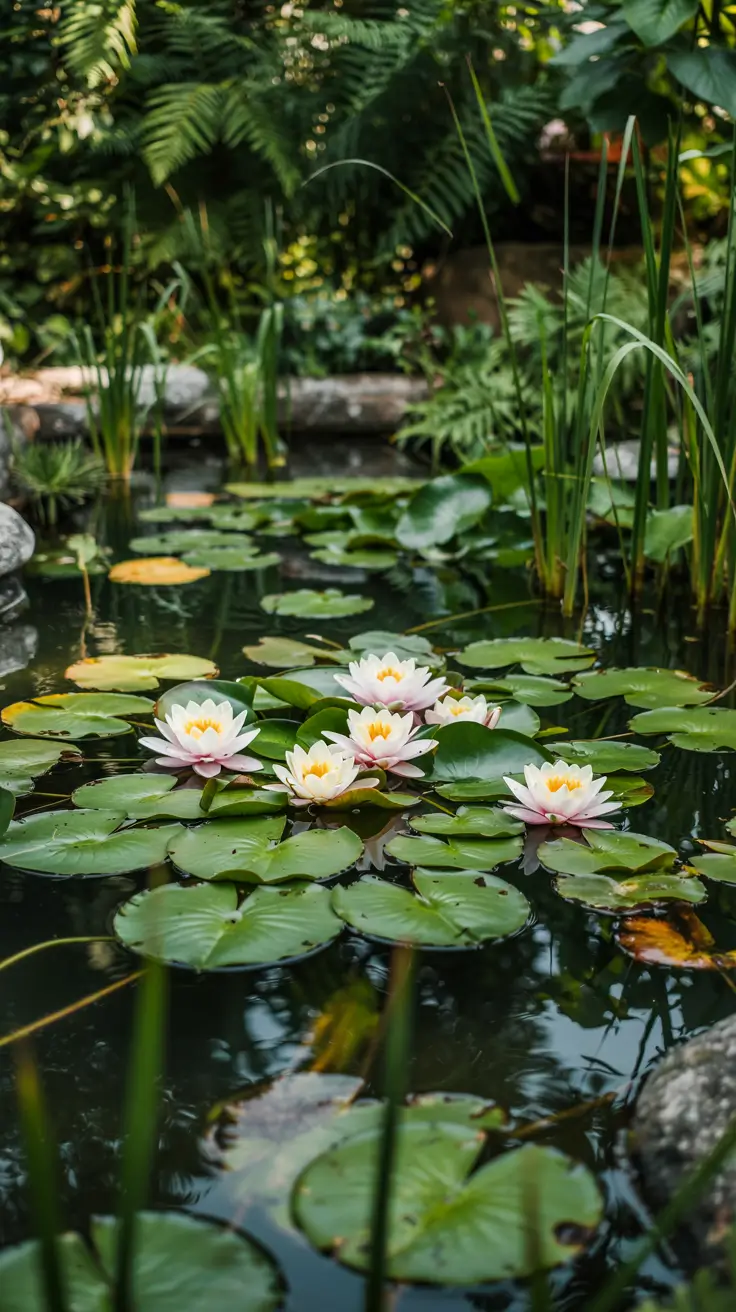
I usually work in layers: submerged oxygenators, floating plants, and marginal species along the edges. Tall grasses and reeds frame the pond, while flowering plants add seasonal interest. This layered approach also helps ponds feel fuller without overcrowding.
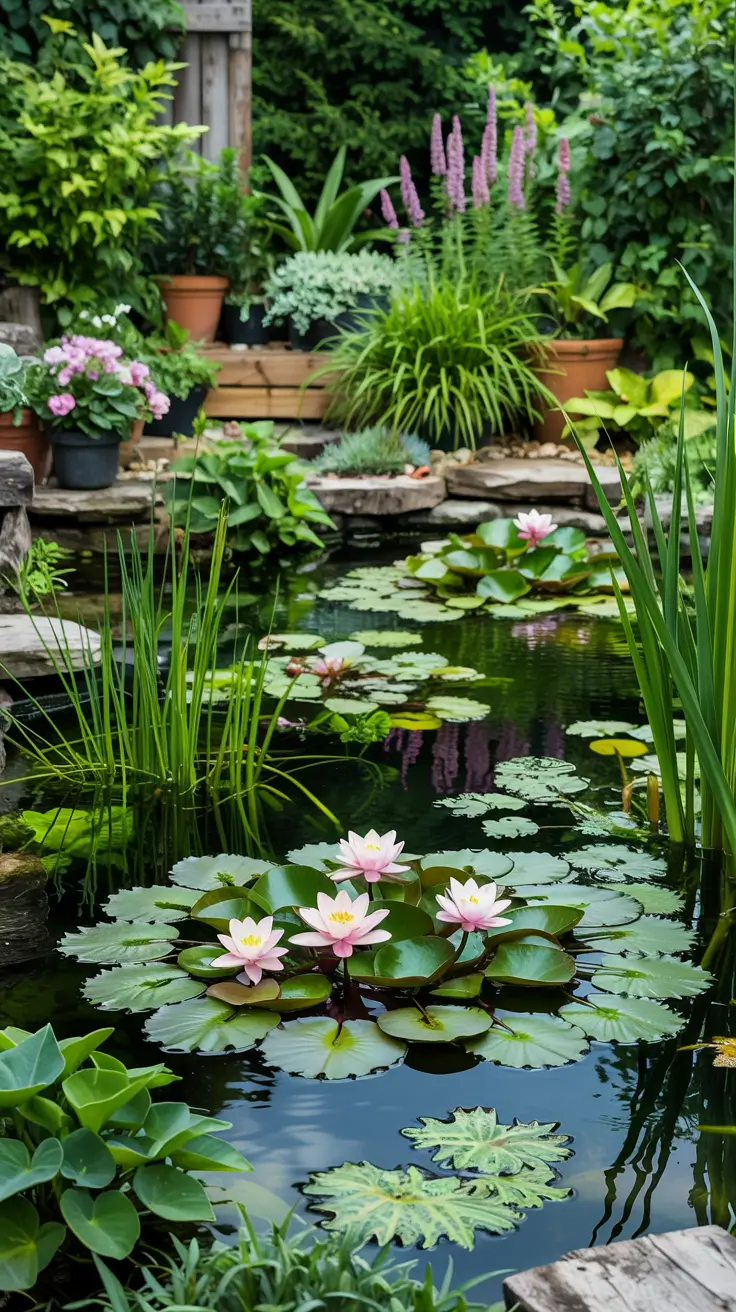
In my experience, thoughtful planting reduces maintenance rather than increasing it. Landscape professionals often stress that the right plant mix can naturally control algae, and I’ve seen how effective this is when done correctly.
What’s often missing is patience. I always remind homeowners that pond plants need time to establish before reaching their full visual impact.
Small Raised Garden Pond Ideas For Compact Spaces
Small raised garden pond ideas are perfect for compact gardens where every element must earn its place. These ponds create height and interest without consuming valuable ground space, making them ideal for urban courtyards and narrow yards.
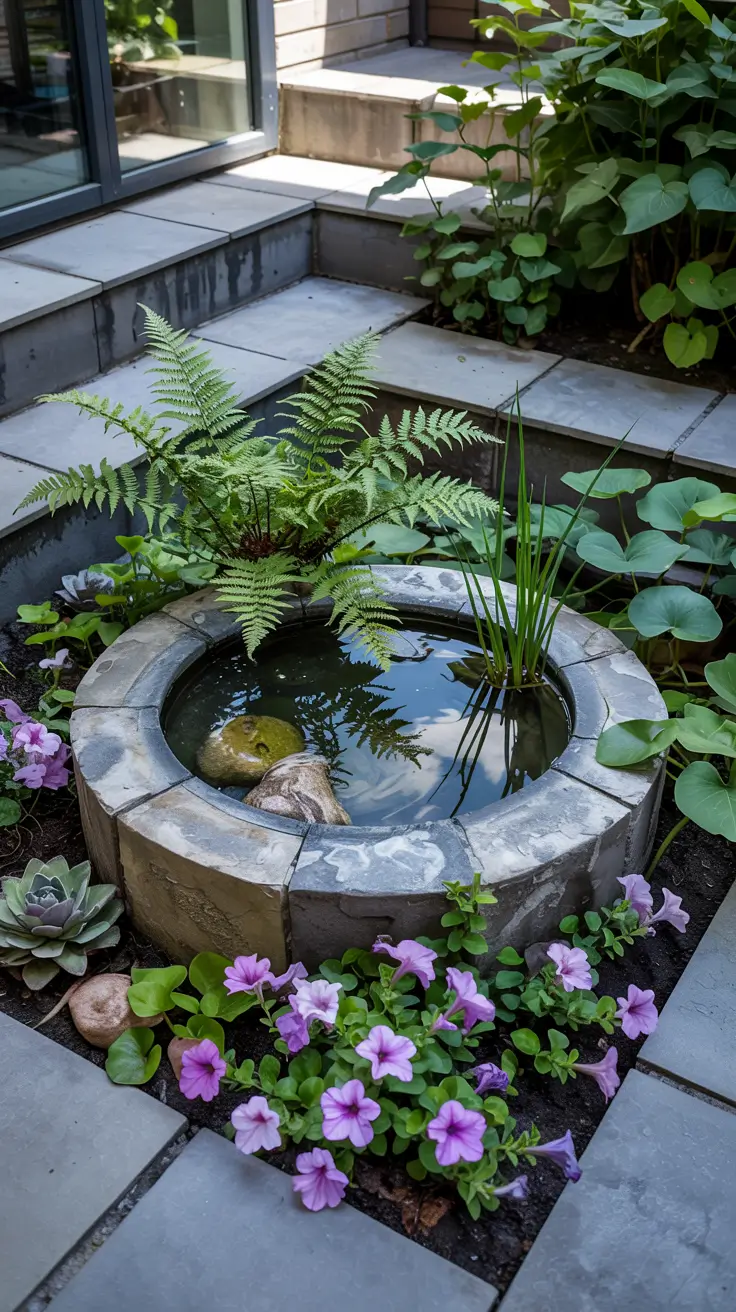
I often design these ponds with straight edges and integrated seating. Materials like brick, stone, or concrete give structure, while reflective Water visually enlarges the space. Because the pond is elevated, it becomes a sculptural feature rather than just a surface element.
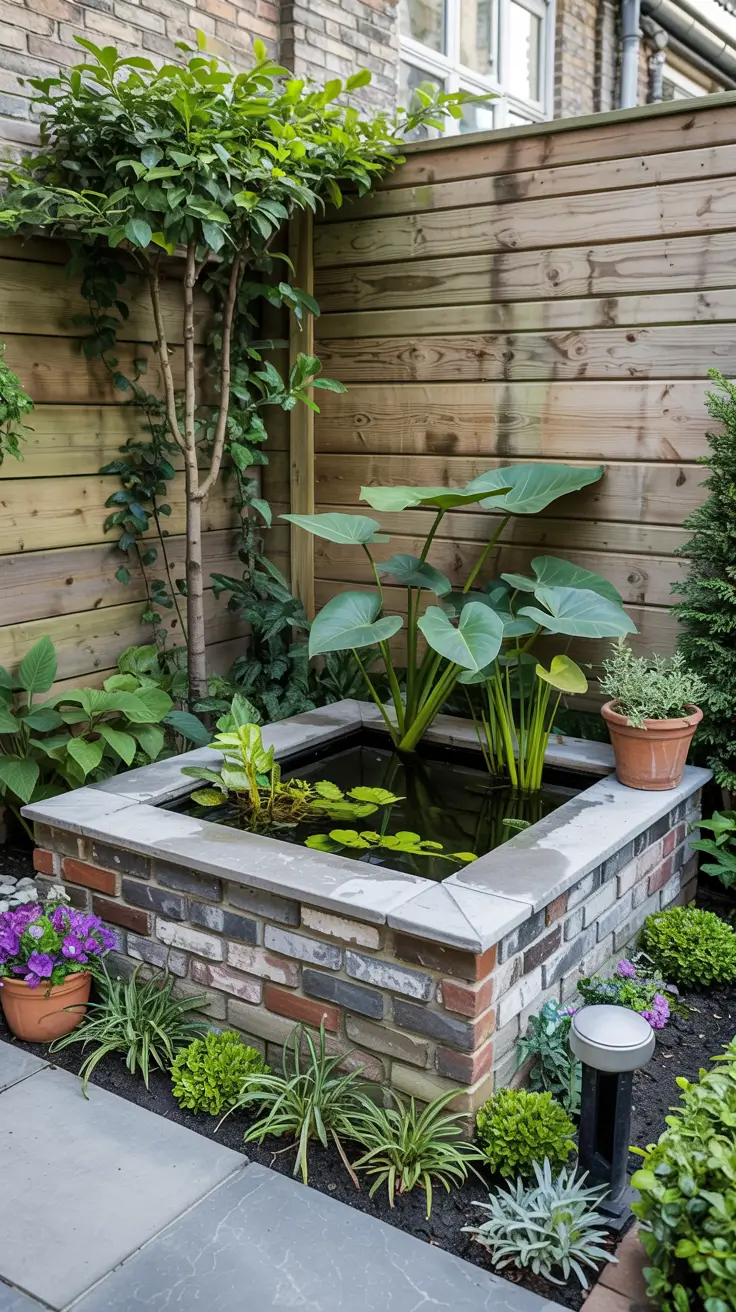
From my perspective, small raised ponds feel more intentional than in-ground options in tight spaces. Designers frequently point out that vertical elements improve spatial perception, and I’ve consistently seen that effect.
What’s often missing is contrast. I suggest pairing raised ponds with softer textures nearby to keep the space from feeling too rigid.
Fish-Friendly Garden Pond Ideas For Home Ecosystems
Designing Fish-friendly ponds means thinking beyond appearance. These ponds prioritize water quality, oxygenation, and shelter, creating stable home ecosystems rather than decorative pools.
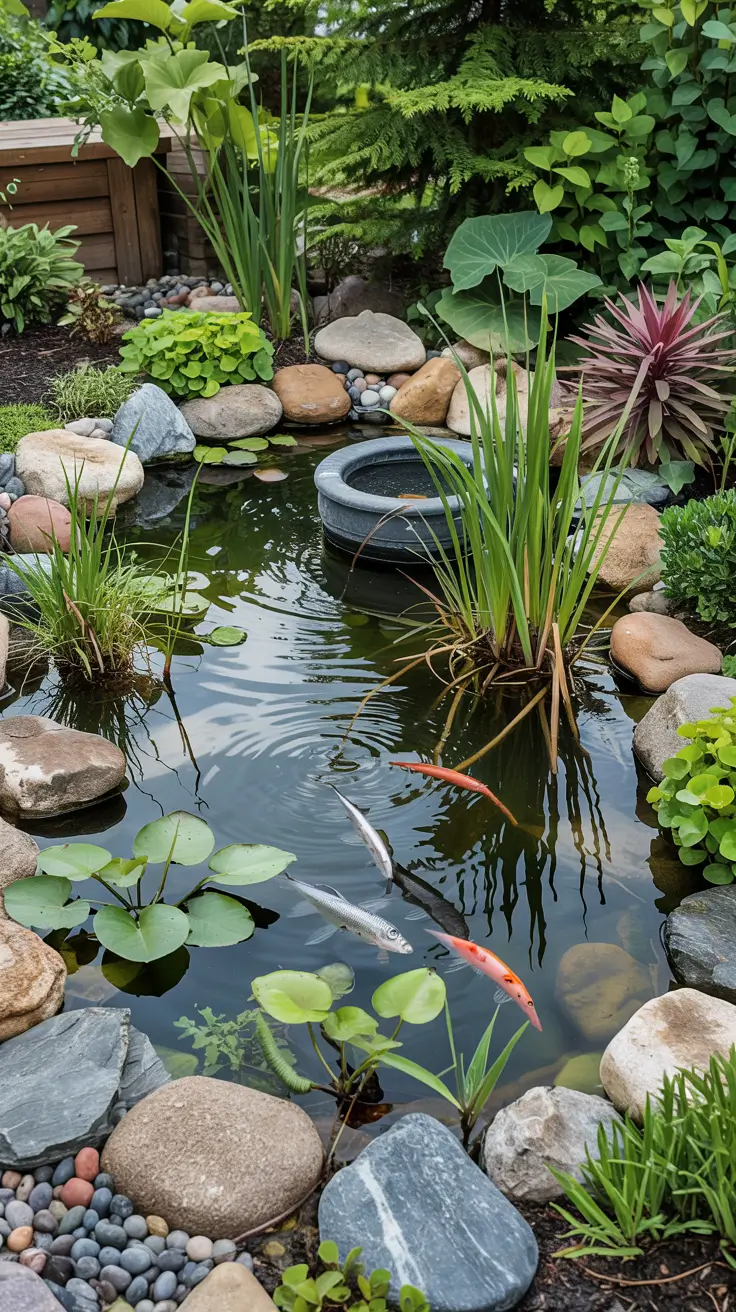
I include deeper zones, shaded areas, and gentle circulation systems. Natural rocks, submerged logs, and plant cover give fish protection, while smooth edges reduce injury risk. The goal is harmony between function and visual appeal.
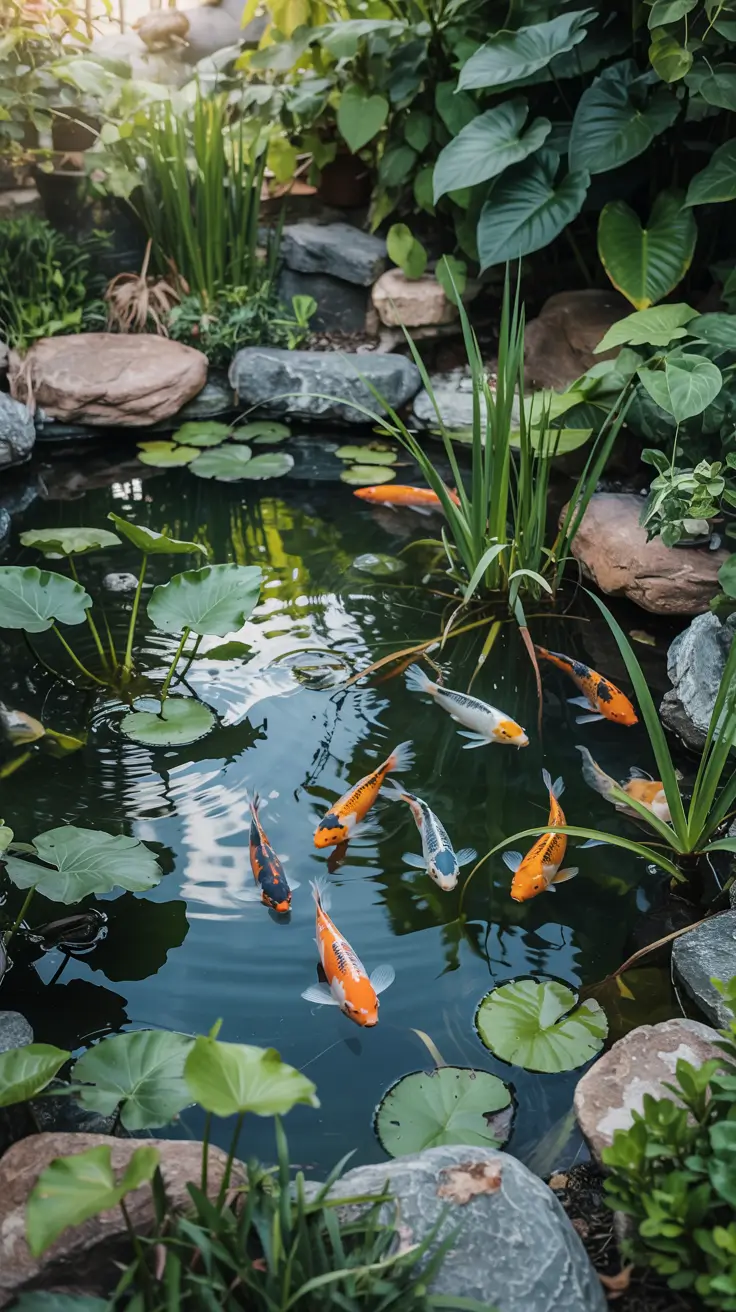
In my experience, ponds designed for fish are more engaging over time. Watching fish interact adds movement and life that static features lack. Many pond specialists emphasize that fish thrive best in environments designed with their needs first — advice I always follow.
What’s often missing is seasonal planning. I recommend preparing for temperature changes to ensure fish health year-round.
Koi Pond Ideas That Blend Beauty And Balance
Koi ponds demand a careful balance between elegance and practicality. In 2026, these ponds lean toward clean shapes, deeper basins, and uncluttered surroundings that highlight the movement of Small koi without visual noise.
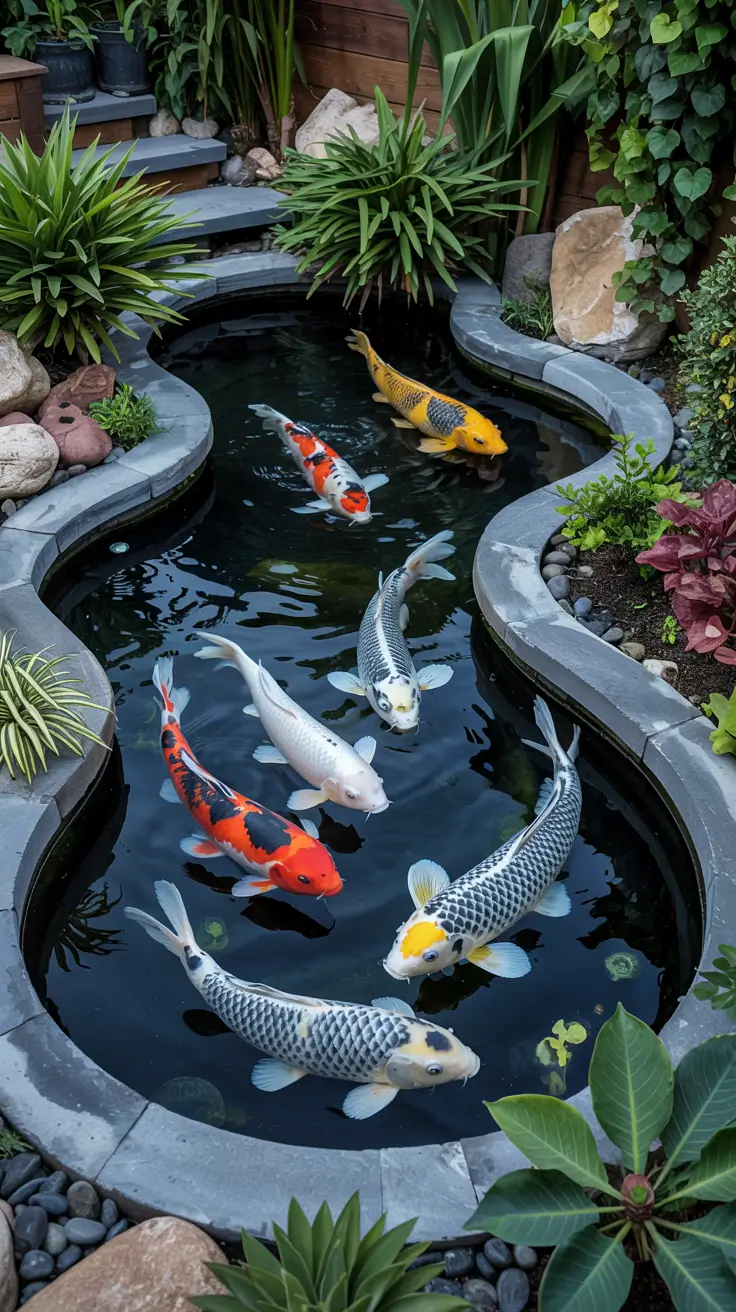
I usually design koi ponds with minimal planting and high-quality filtration. Smooth stone edges, darker liners, and controlled lighting help showcase color and motion. Seating is positioned slightly back to reduce disturbance while maintaining visibility.
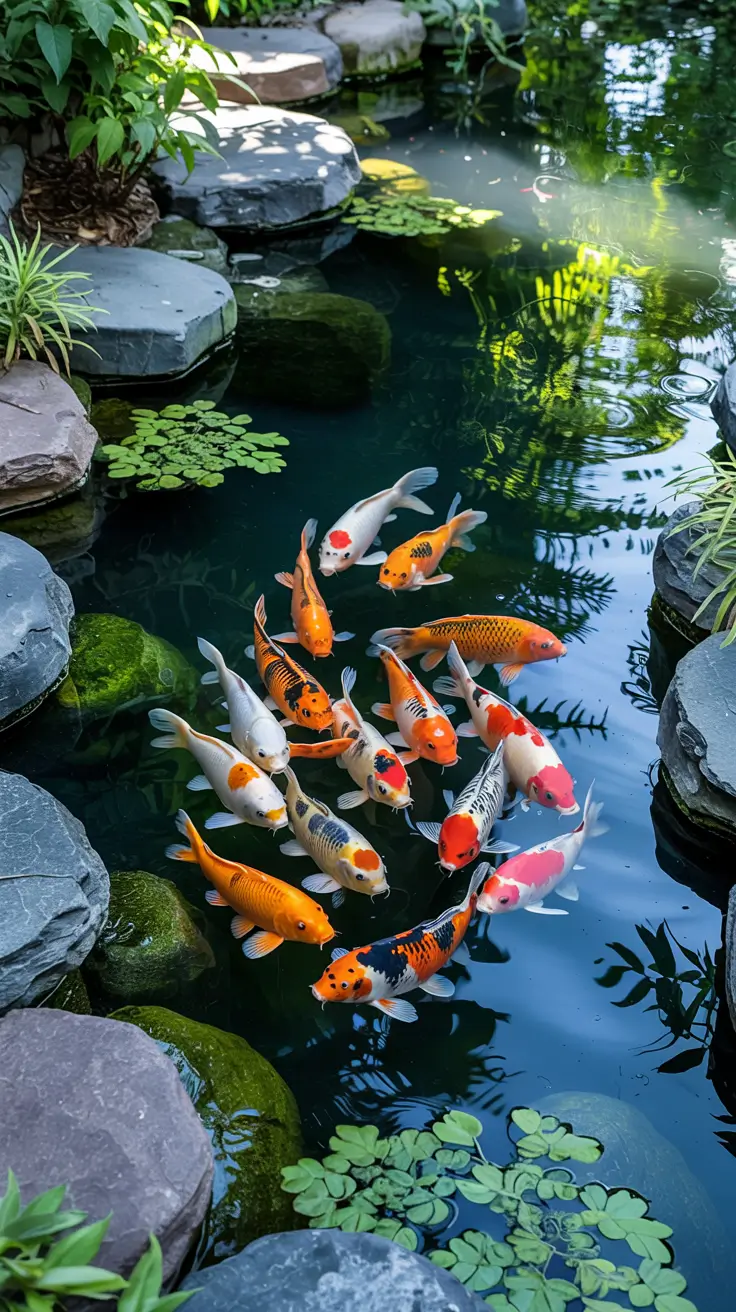
Personally, koi ponds feel meditative. Many US water garden experts note that koi require calm environments to thrive, and I’ve seen how thoughtful design directly impacts their health and longevity.
What’s often missing is restraint. I always advise avoiding overcrowding — fewer koi create a more refined and sustainable pond.
Container Water Pond Ideas For Flexible Gardens
Container water ponds are among the most flexible pond solutions available. They work beautifully on patios, balconies, or transitional garden spaces where permanent construction isn’t an option.
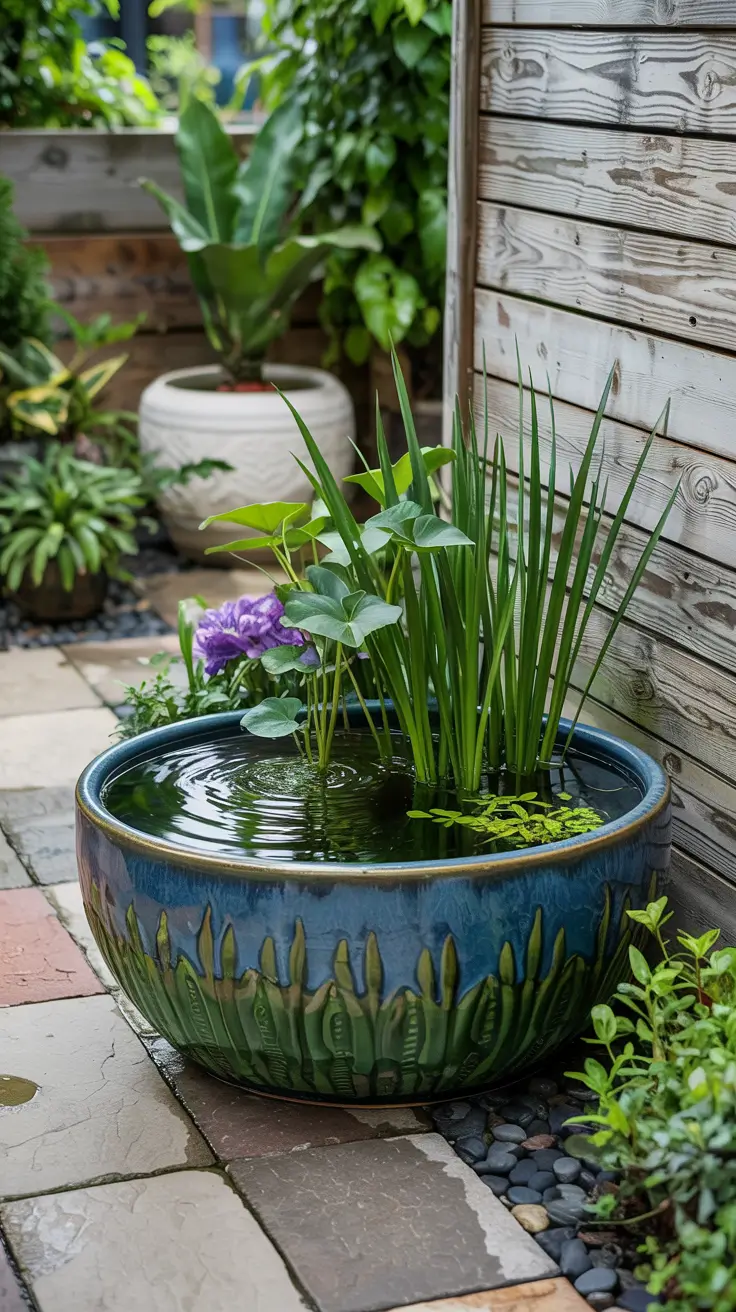
I often use ceramic bowls, metal tubs, or stone containers, pairing them with aquatic plants and gentle circulation. These ponds are easy to reposition and adapt seasonally, making them ideal for evolving garden layouts.
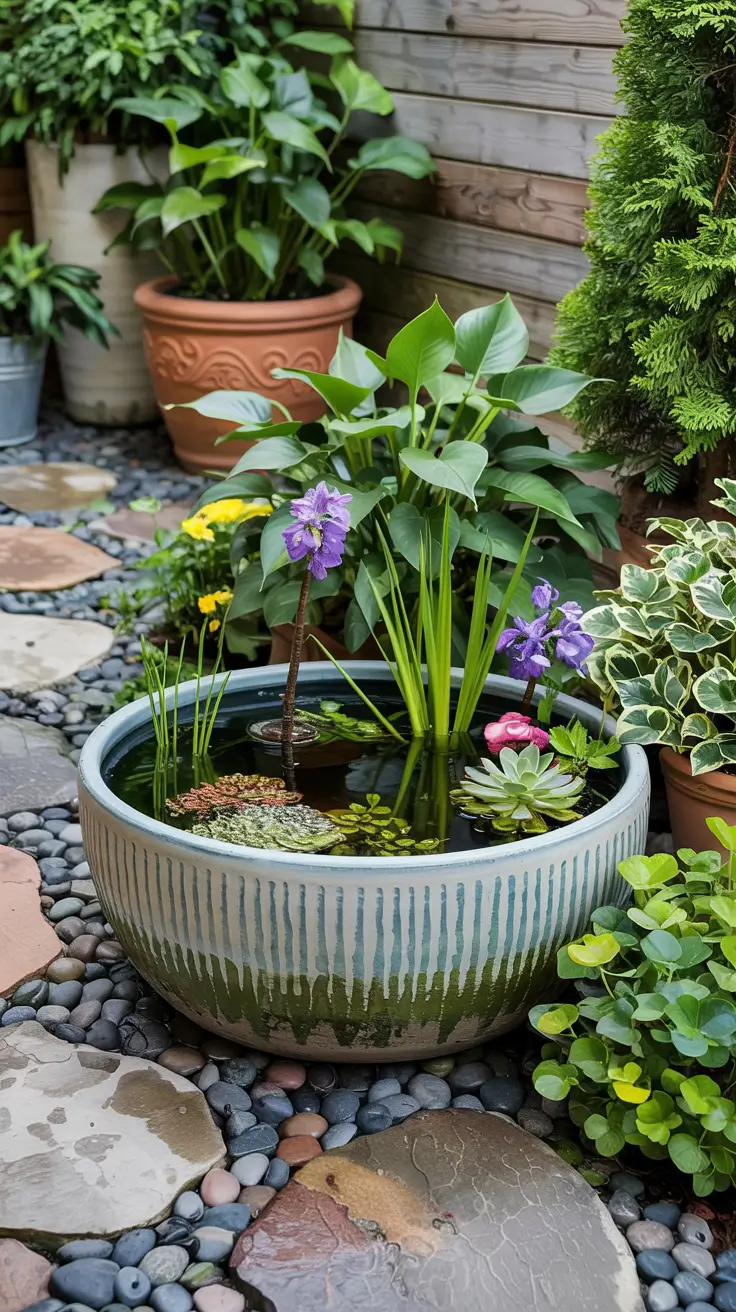
From my experience, container ponds are perfect entry points into water gardening. Garden writers frequently suggest starting small to build confidence, and container ponds offer exactly that.
What’s often missing is scale awareness. I recommend choosing containers large enough to maintain water stability and plant health.
Raised Pond Ideas For Contemporary Outdoor Design
Raised pond concepts fit naturally into contemporary gardens where structure and clarity define the space. I often use raised ponds to introduce architectural rhythm and give Water a strong visual presence without overwhelming the surrounding landscape.
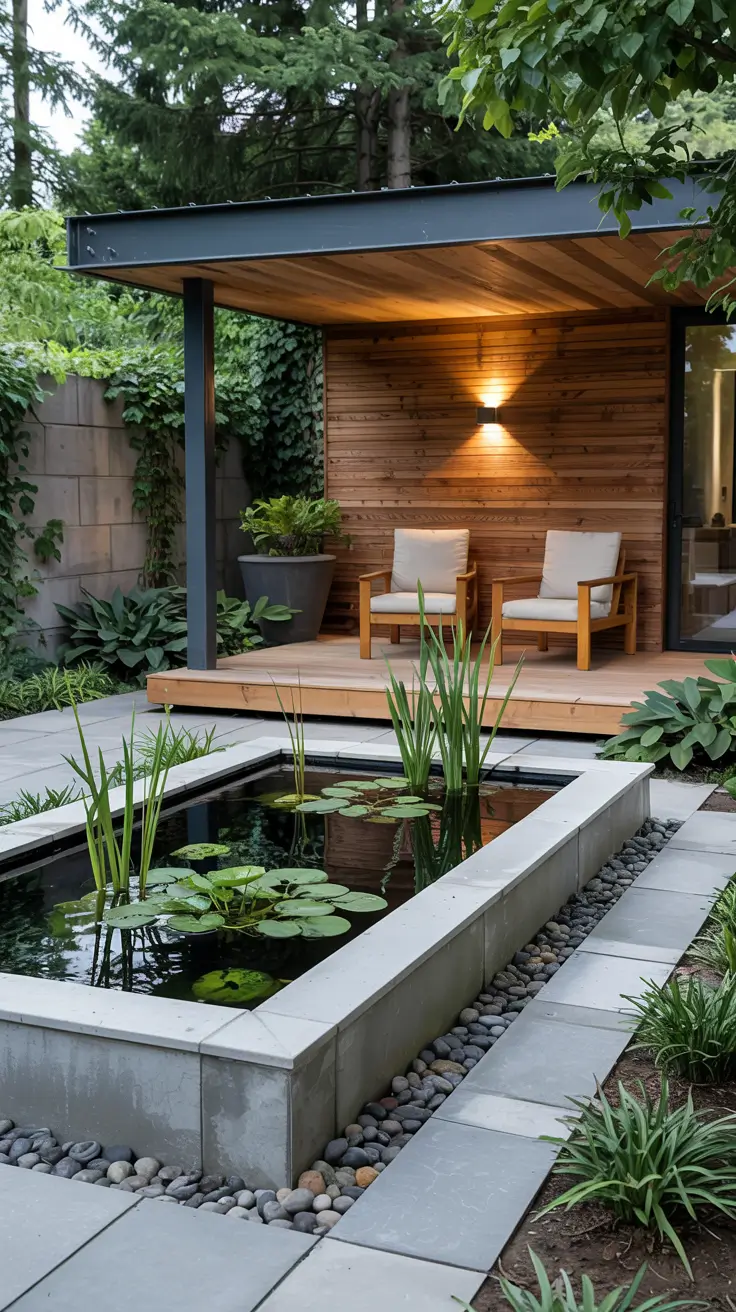
Material choice is critical here. Concrete, stone, or steel-edged frames create clean boundaries, while wide coping stones double as seating or display surfaces. The elevated height also improves visibility and simplifies maintenance, which is especially valuable in modern layouts.
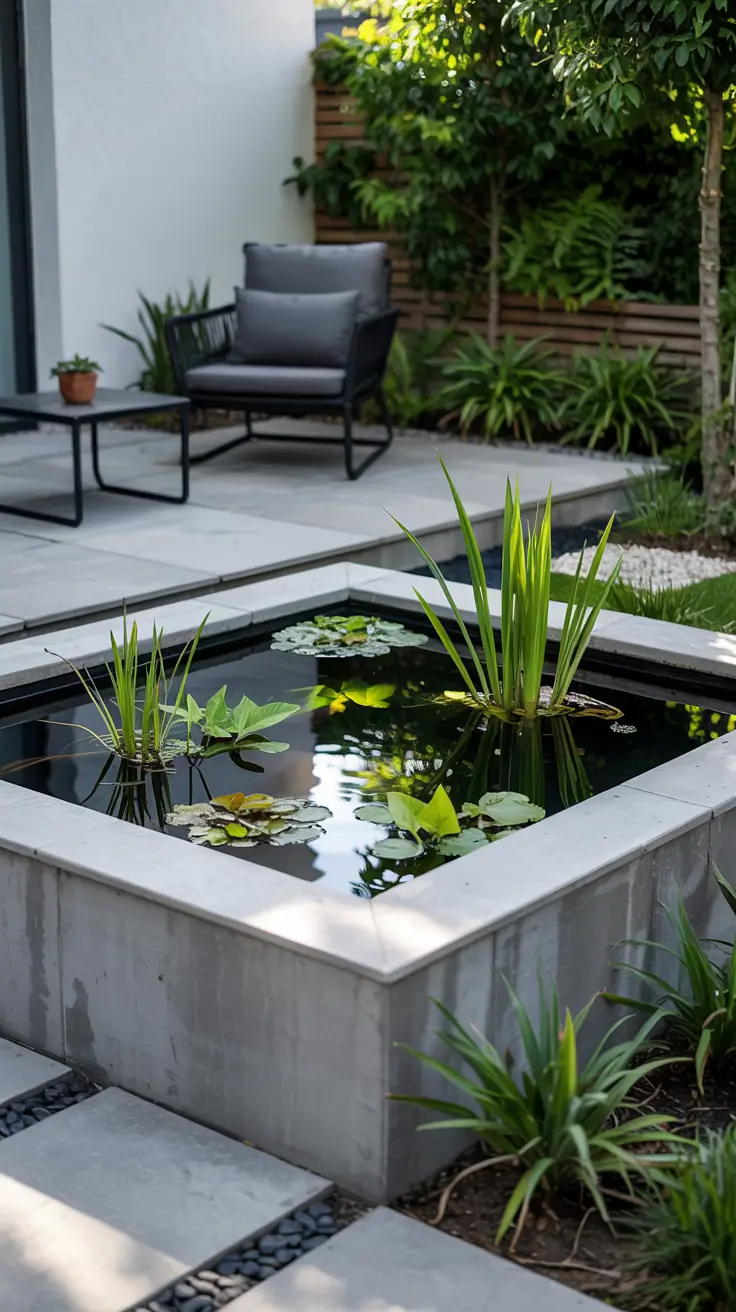
From my perspective, raised ponds elevate outdoor spaces in both form and function. Designers frequently note that elevation turns water features into sculptural elements rather than background details, and I’ve seen this approach succeed across many projects.
What’s often missing is integration. I recommend aligning raised ponds with existing pathways or furniture layouts to ensure cohesion.
DIY Stock Tank Pond Ideas With Rustic Charm
Diy pond projects using a Stock tank are becoming a favorite choice in 2026 gardens. These ponds blend rustic character with straightforward construction, making them accessible yet visually distinctive.
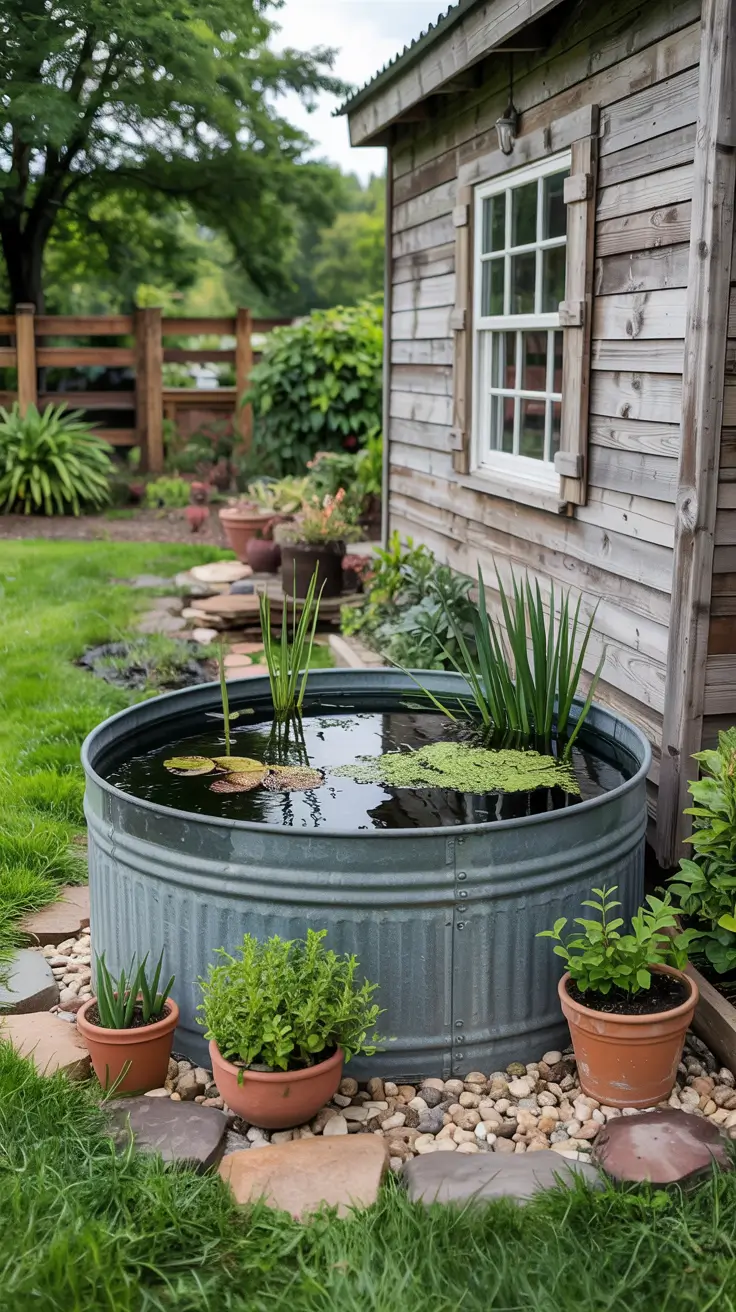
I typically select galvanized or matte-finish tanks and set them into gravel or timber bases for stability. Adding aquatic plants, subtle filtration, and minimal edging keeps the look intentional rather than improvised.
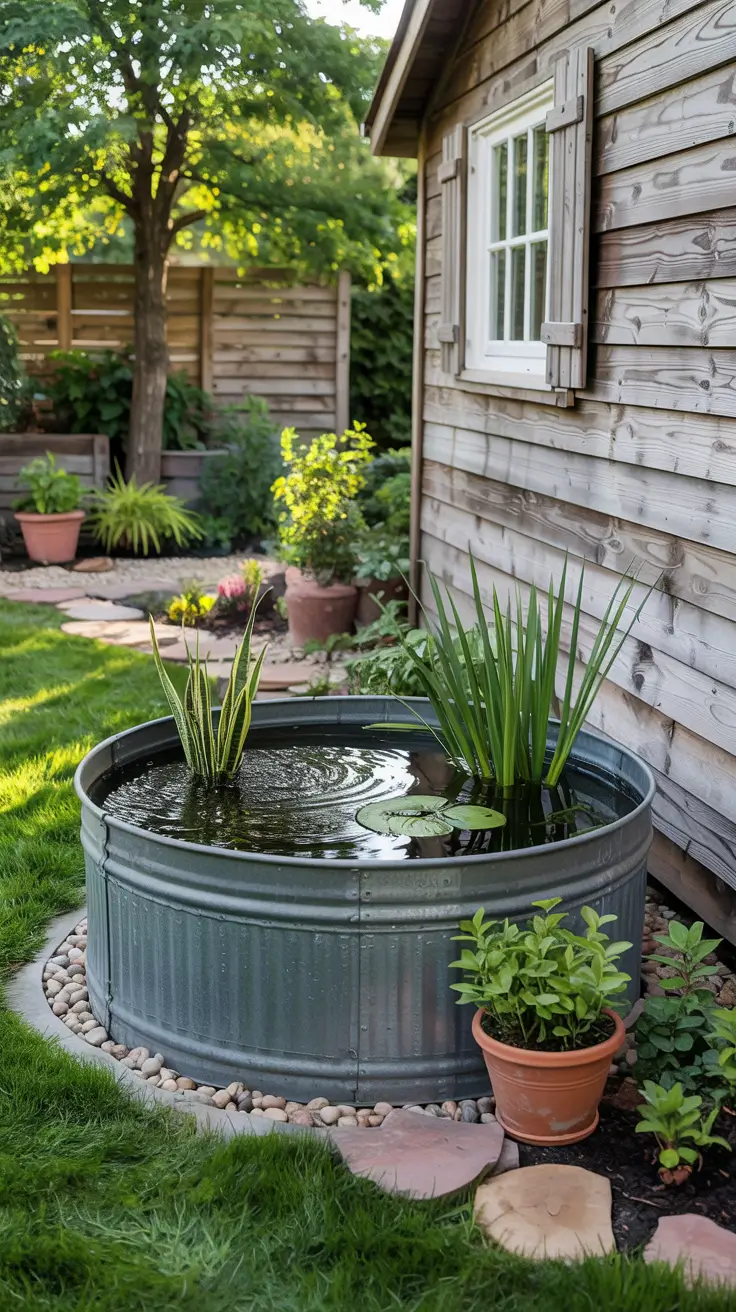
Personally, I appreciate how stock tank ponds age gracefully. Garden designers often point out that utilitarian materials can feel refined when paired with thoughtful placement, and I completely agree.
What’s often missing is concealment. I suggest soft planting around the base to integrate the tank into the landscape.
Stock Tank Pond Ideas For Easy Backyard Builds
For homeowners seeking simplicity, stock tank ponds offer one of the easiest paths to a functional water feature. These ponds are ideal for the Backyard, where durability and ease of setup matter.
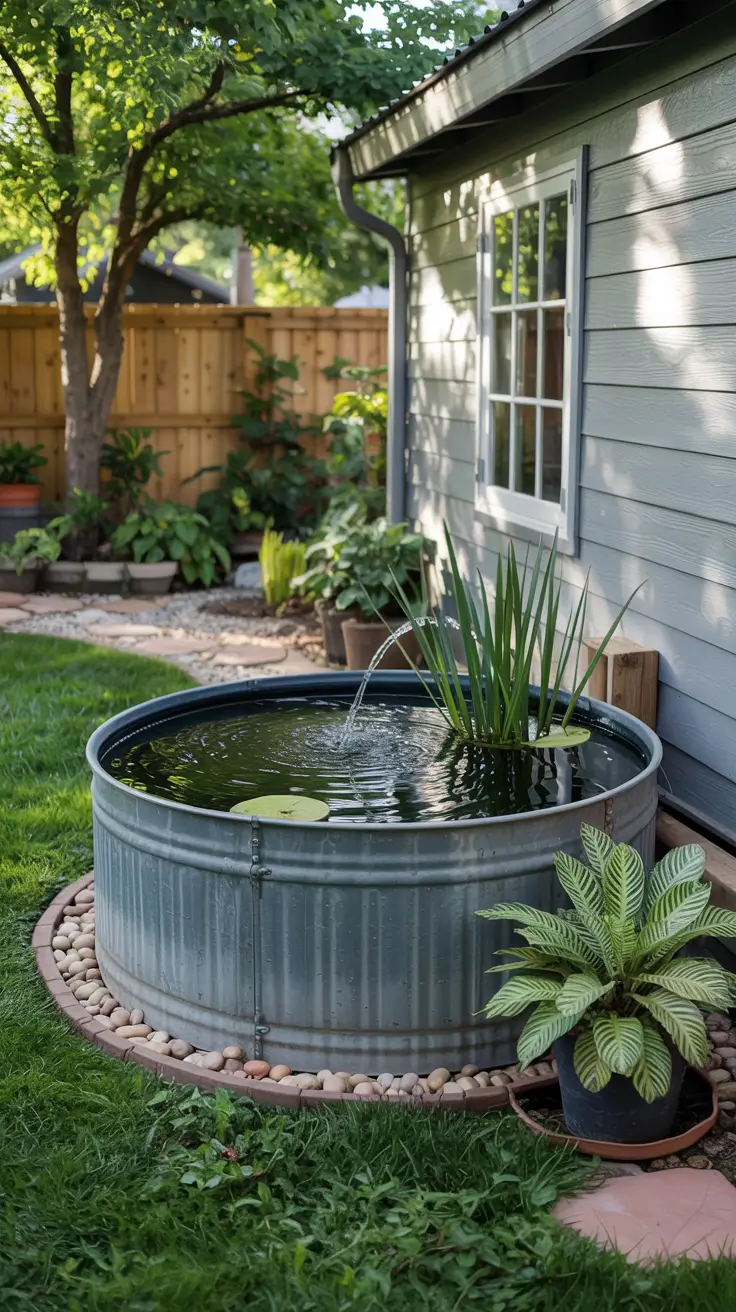
I focus on proper leveling, secure placement, and reliable circulation. Accessories like floating plants, small fountains, or marginal baskets help soften the industrial feel while maintaining practicality.
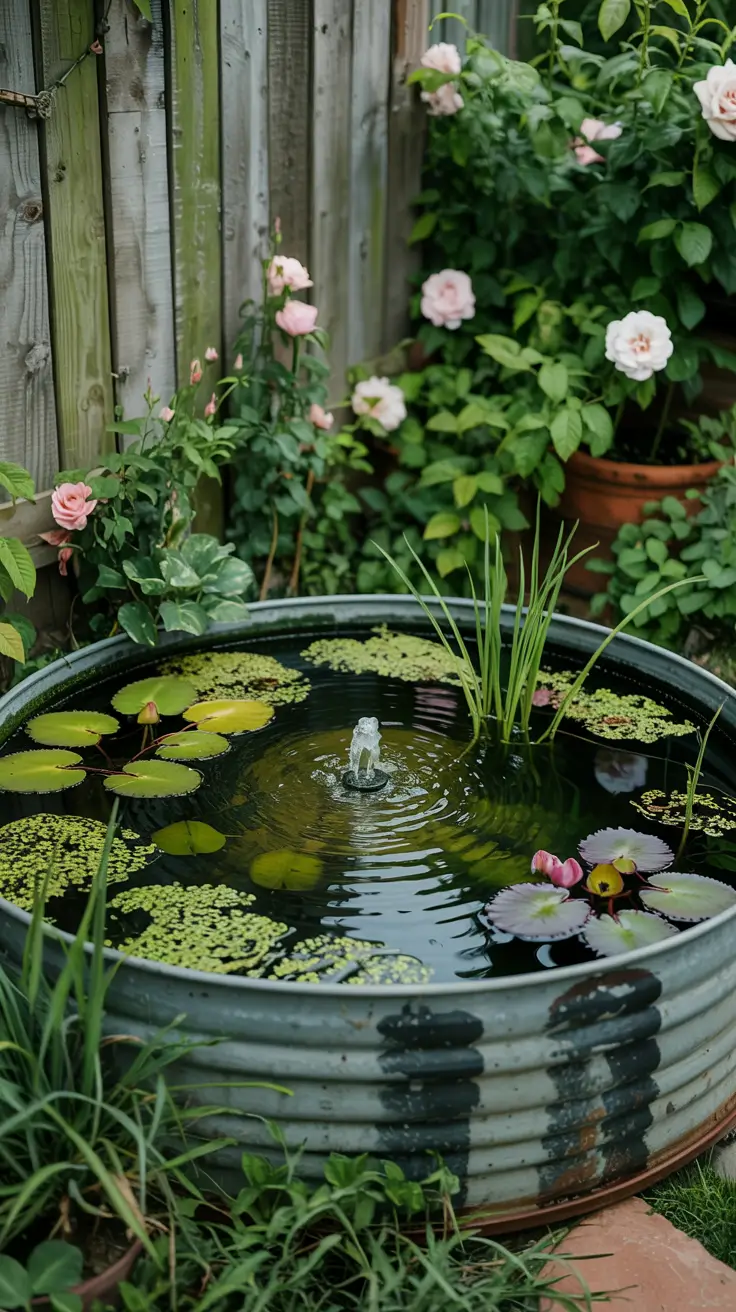
In my experience, these ponds encourage experimentation. Many DIY garden communities recommend stock tanks because they allow adjustments without major reconstruction, which makes them perfect for evolving outdoor spaces.
What’s often missing is scale consideration. I always advise choosing tank sizes that suit both the garden and long-term maintenance capacity.
Waterfall Pond Ideas With Natural Stone Design
A Waterfall adds instant movement and sound, making it one of the most emotionally engaging pond features. In natural stone designs, the waterfall feels organic rather than engineered.
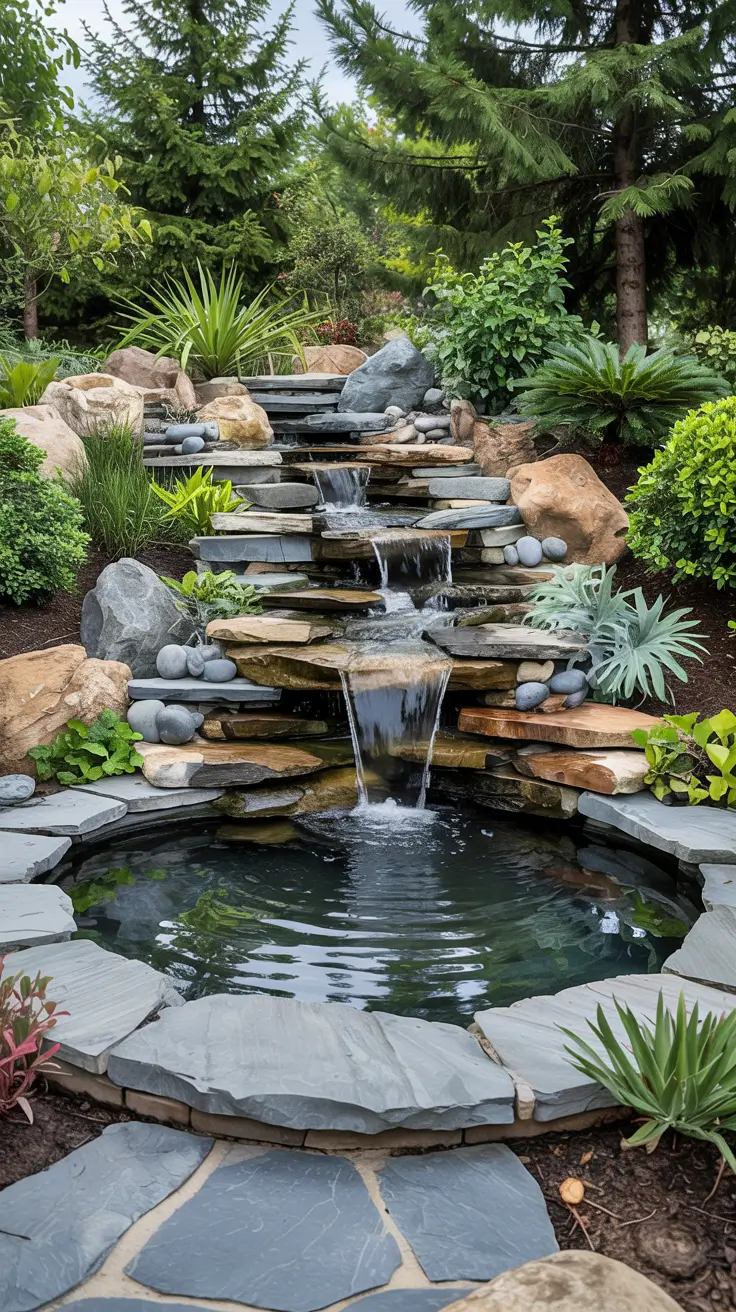
I usually work with layered stone, concealed pumps, and gradual drops to create realistic water flow. Planting around the cascade softens edges and enhances the sensory experience, especially when paired with seating nearby.
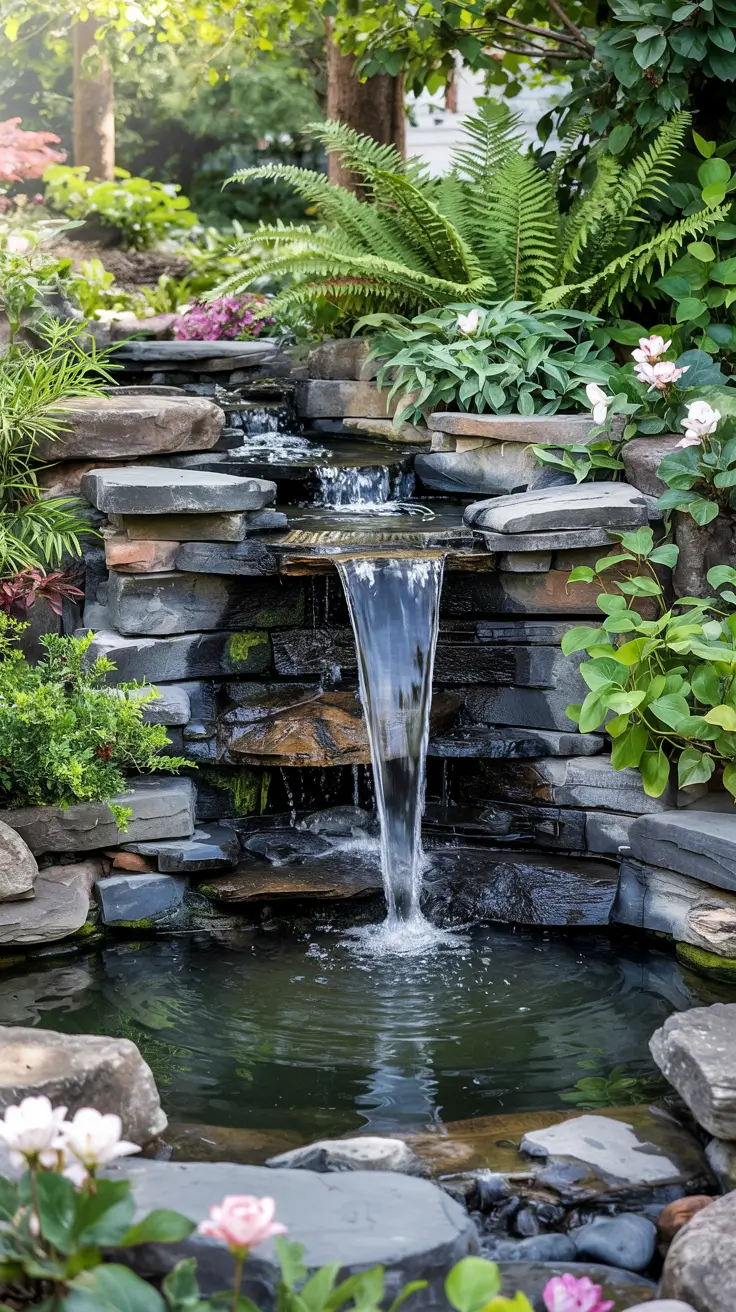
From personal experience, stone waterfalls quickly become gathering points. Landscape experts often emphasize that moving water encourages relaxation, and I’ve consistently seen visitors gravitate toward these features.
What’s often missing is maintenance access. I recommend designing discreet access points for pumps and filters from the start.
Garden Pond Design Ideas For Timeless Landscapes
Strong Design principles are what separate short-lived trends from timeless pond layouts. In 2026, I see a return to balanced proportions, neutral materials, and adaptable forms that evolve with the garden.
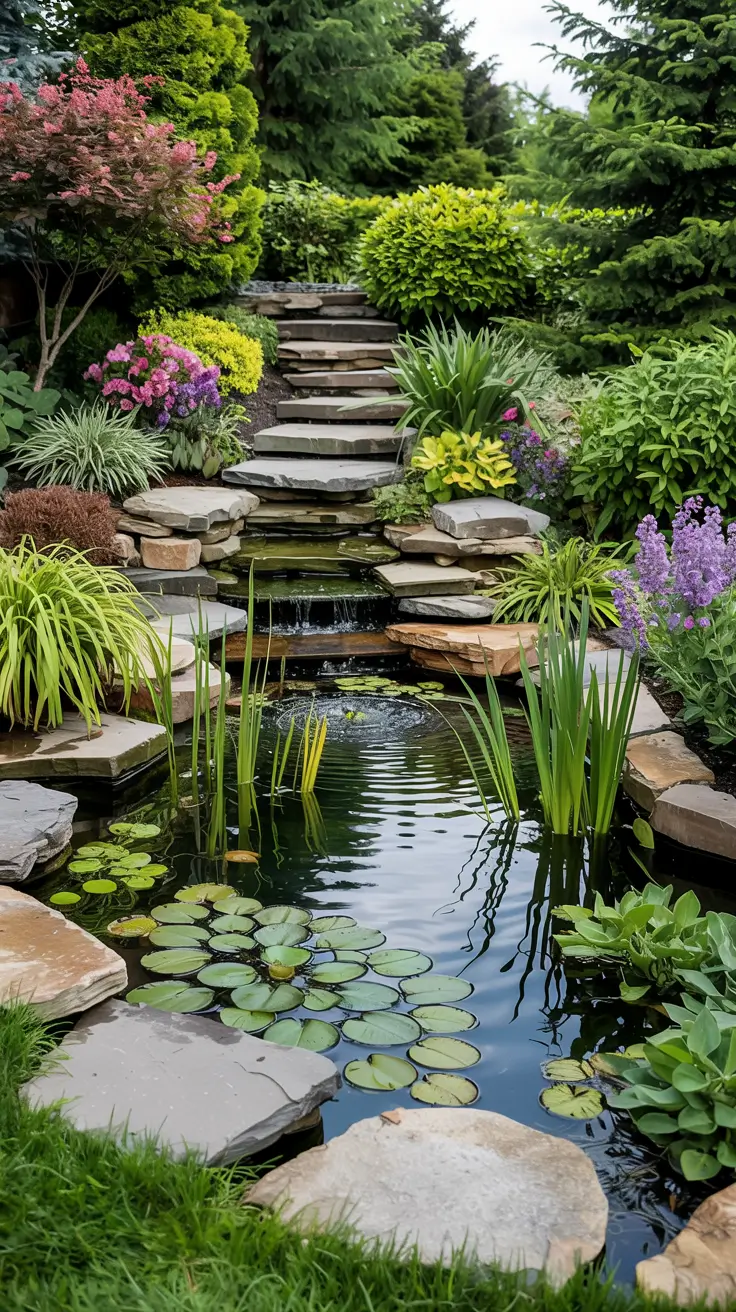
I focus on symmetry, durable materials, and planting that matures gracefully. Avoiding overly decorative elements ensures the pond remains relevant as styles shift over time.
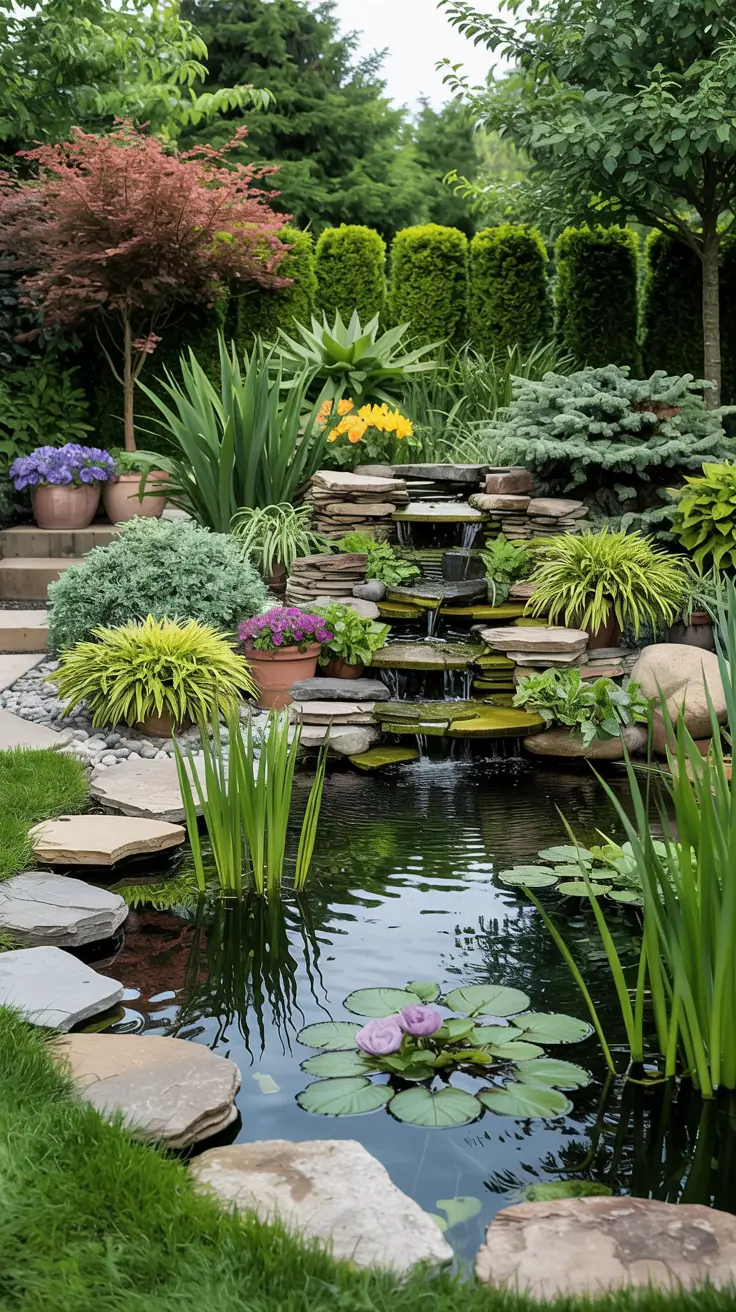
In my view, timeless ponds feel calm rather than attention-seeking. Many landscape architects stress that restraint creates longevity, and I’ve found this especially true with water features.
What’s often missing is long-term planning. I always suggest considering how surrounding plants and structures will look in five or ten years.
Outdoor Fountain Pond Ideas With Soft Water Sounds
Fountains outdoor are ideal for gardens where sound matters as much as appearance. These ponds use controlled water movement to create a gentle acoustic backdrop.
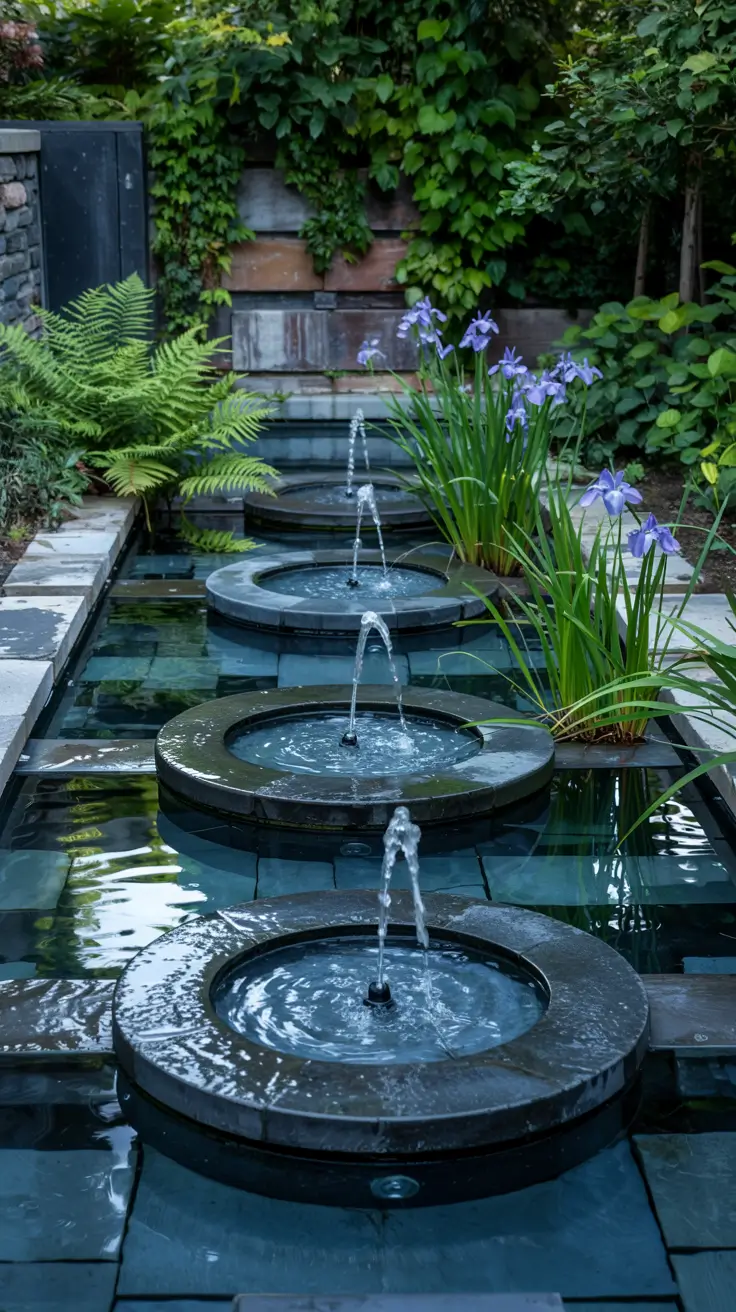
I often incorporate low-profile fountains, central jets, or sculptural spouts. These features work well in both formal and relaxed gardens, adding motion without dominating the space.
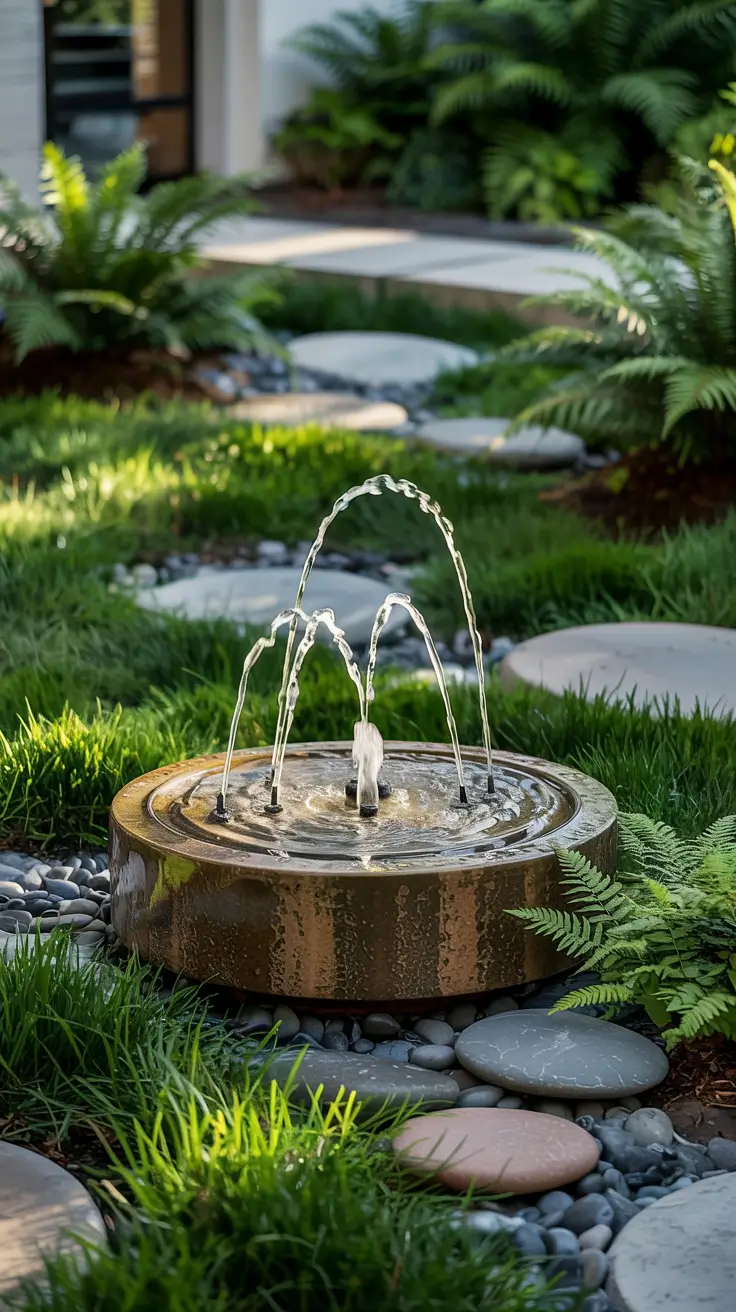
Personally, I find fountain ponds especially effective near seating areas. Designers frequently note that sound masking improves comfort in urban gardens, and fountains achieve this naturally.
What’s often missing is adjustability. I recommend fountains with variable flow settings to adapt to different moods and seasons.
Outdoor Fish Tank Pond Ideas For Modern Gardens
An Outdoor fish tank concept brings a contemporary edge to garden ponds. These designs emphasize visibility, clean lines, and controlled environments that highlight aquatic life.
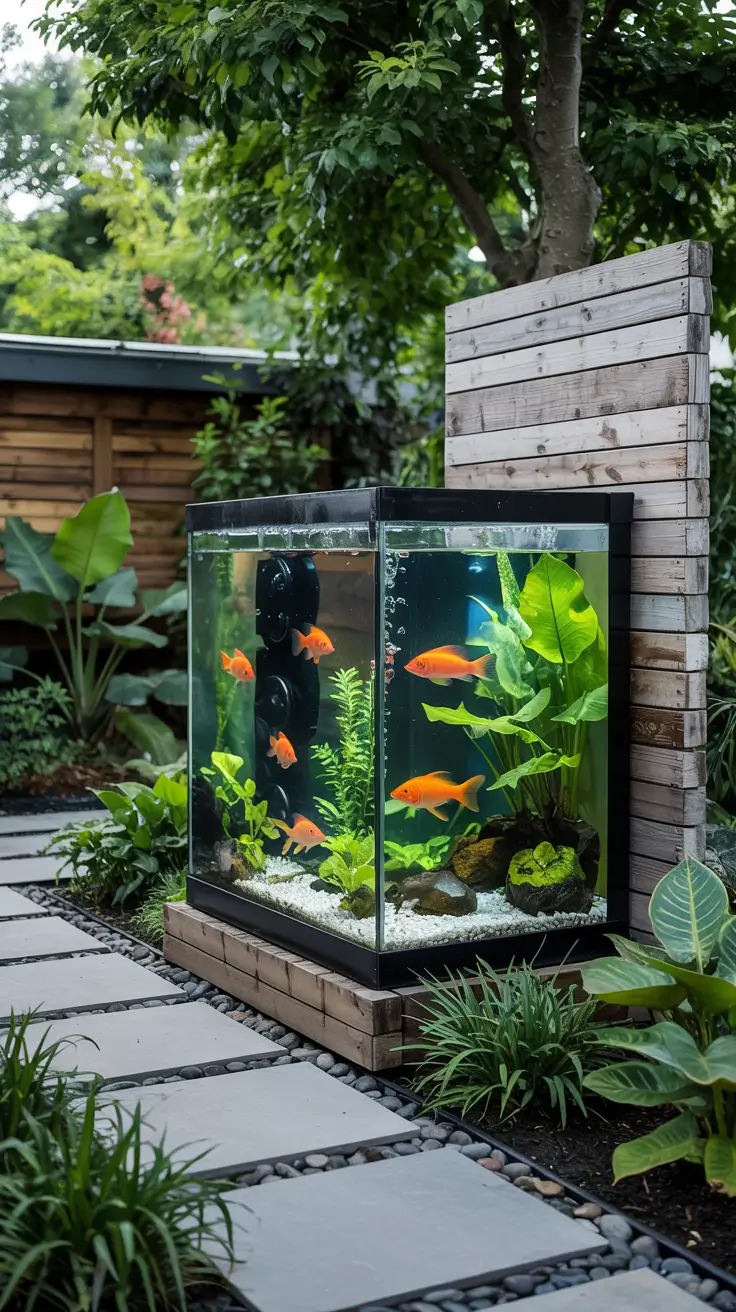
I typically use reinforced glass or acrylic panels paired with solid framing. Filtration and circulation systems are carefully concealed to keep the focus on Fish and Water clarity.
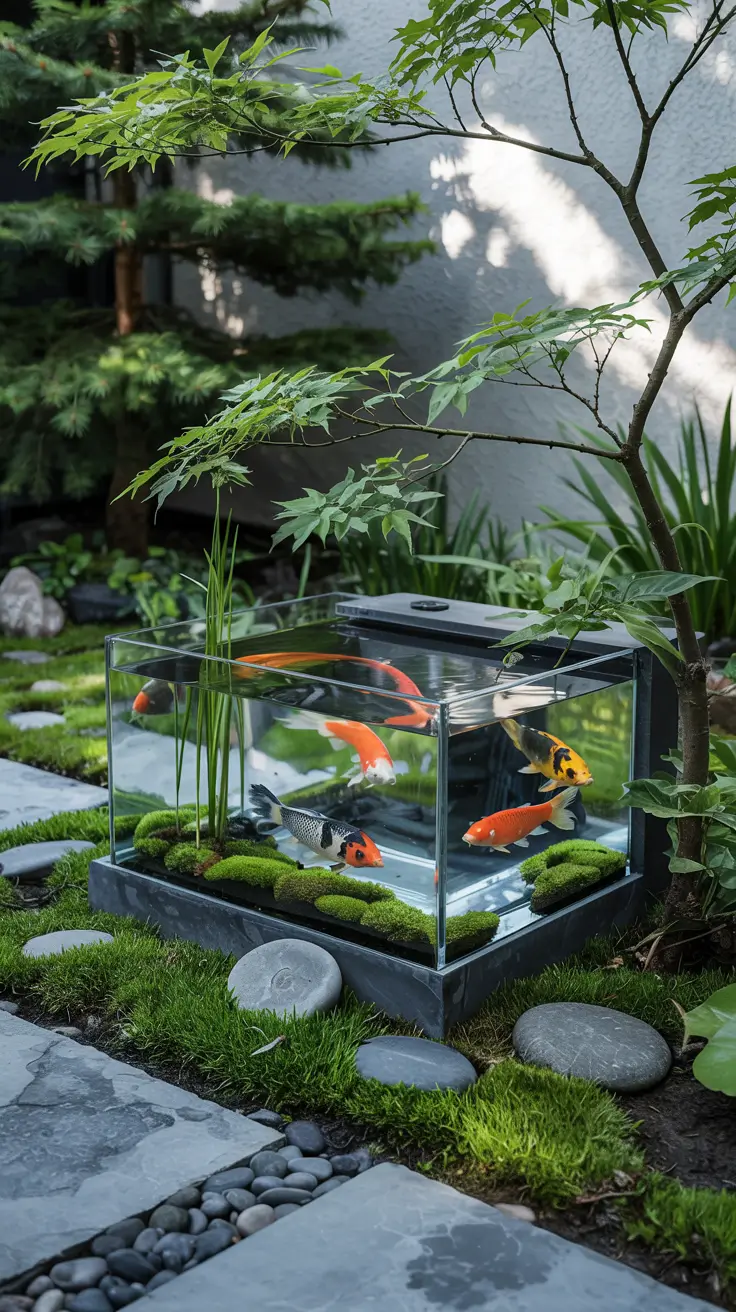
From my experience, these ponds appeal to design-forward homeowners. Many modern garden designers highlight transparency as a key trend, and outdoor fish tanks embody that shift beautifully.
What’s often missing is shading. I always recommend partial cover to protect fish and maintain stable water temperatures.
Natural Pool Pond Ideas For Large Garden Spaces
Natural pools are becoming a defining trend for Large gardens in 2026, especially for homeowners who want a pond that feels immersive rather than decorative. I approach these designs as hybrid spaces — part swimming area, part ecological pond — where clarity, scale, and circulation work together.
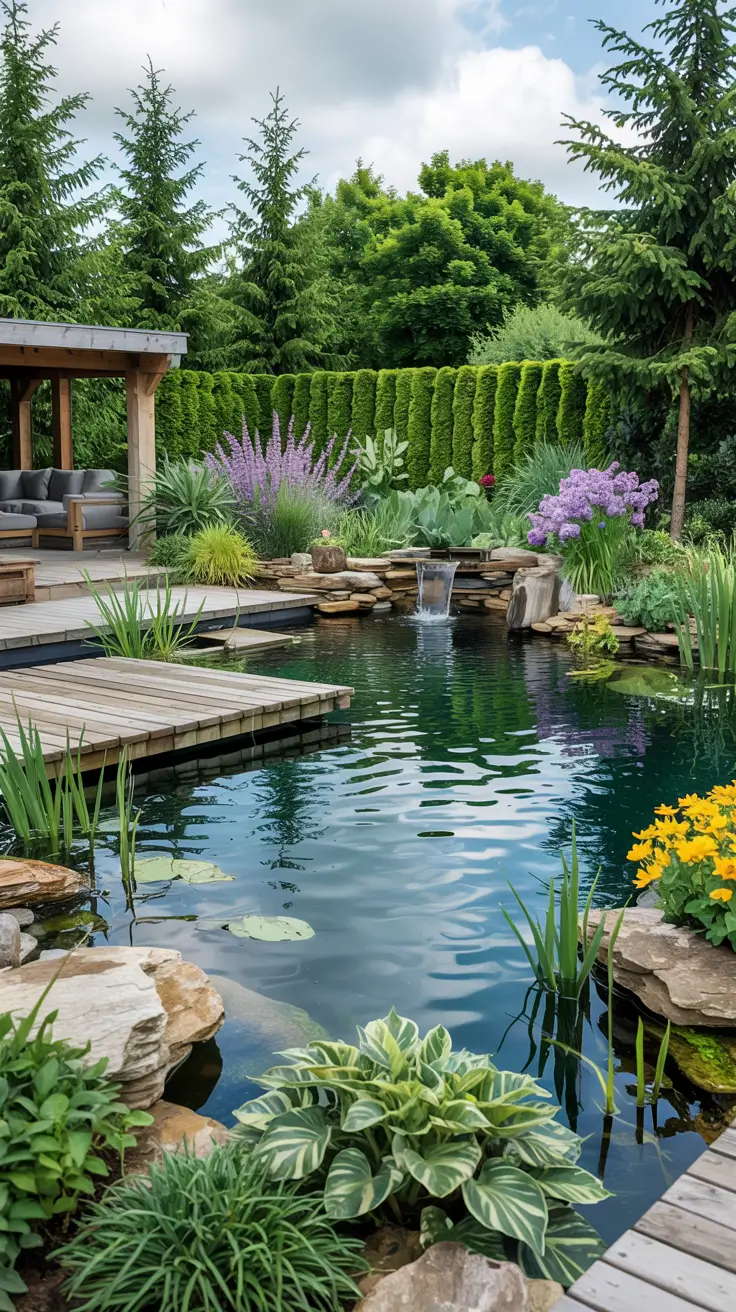
I usually separate the swimming zone from the planted regeneration zone using stone shelves or subtle level changes. Natural filtration through gravel beds and aquatic plants keeps the Water clean without relying heavily on chemicals, which makes the pond feel more integrated with its surroundings.
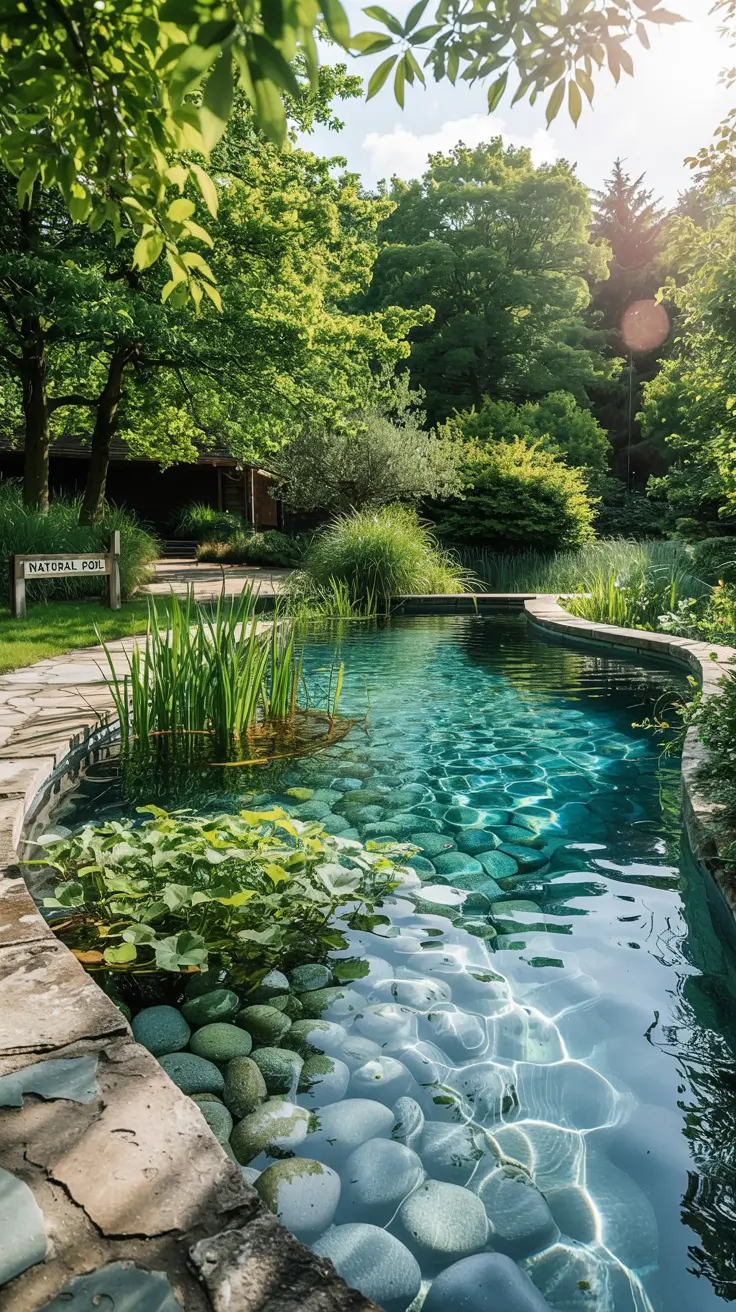
From my experience, natural pool ponds change how people use their gardens. Landscape designers frequently note that these features encourage slow living and seasonal rituals, and I’ve seen how they become the emotional center of outdoor spaces.
What’s often missing is safety planning. I always recommend clearly defined edges and shallow transition zones for comfort and long-term usability.
Cottage Garden Pond Ideas With Romantic Style
Cottage garden ponds are all about softness, charm, and layered detail. I design these ponds to feel slightly hidden, as if they’ve always been part of the garden rather than recently added.
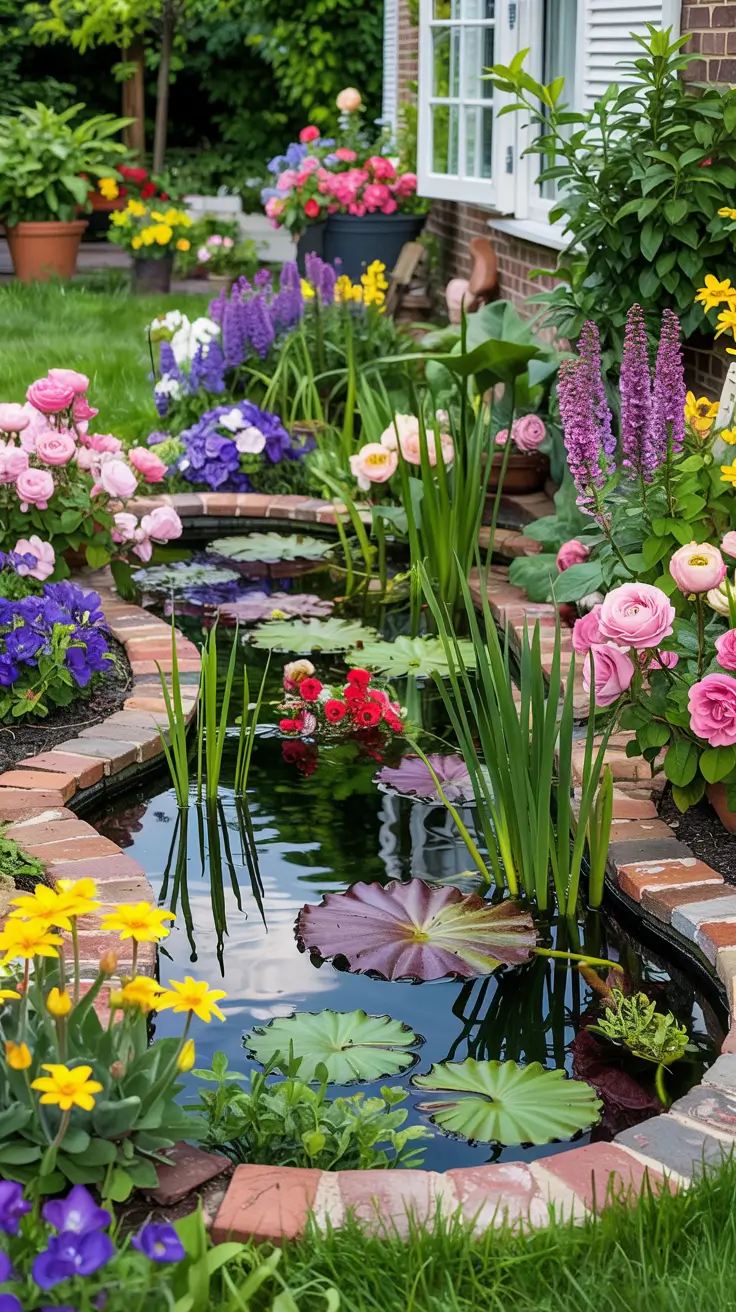
I favor irregular pond shapes, brick or stone edging, and abundant planting. Roses, grasses, and flowering perennials spill toward the water, while small benches or wrought-iron furniture add to the romantic atmosphere. The pond itself becomes a quiet pause within the garden narrative.
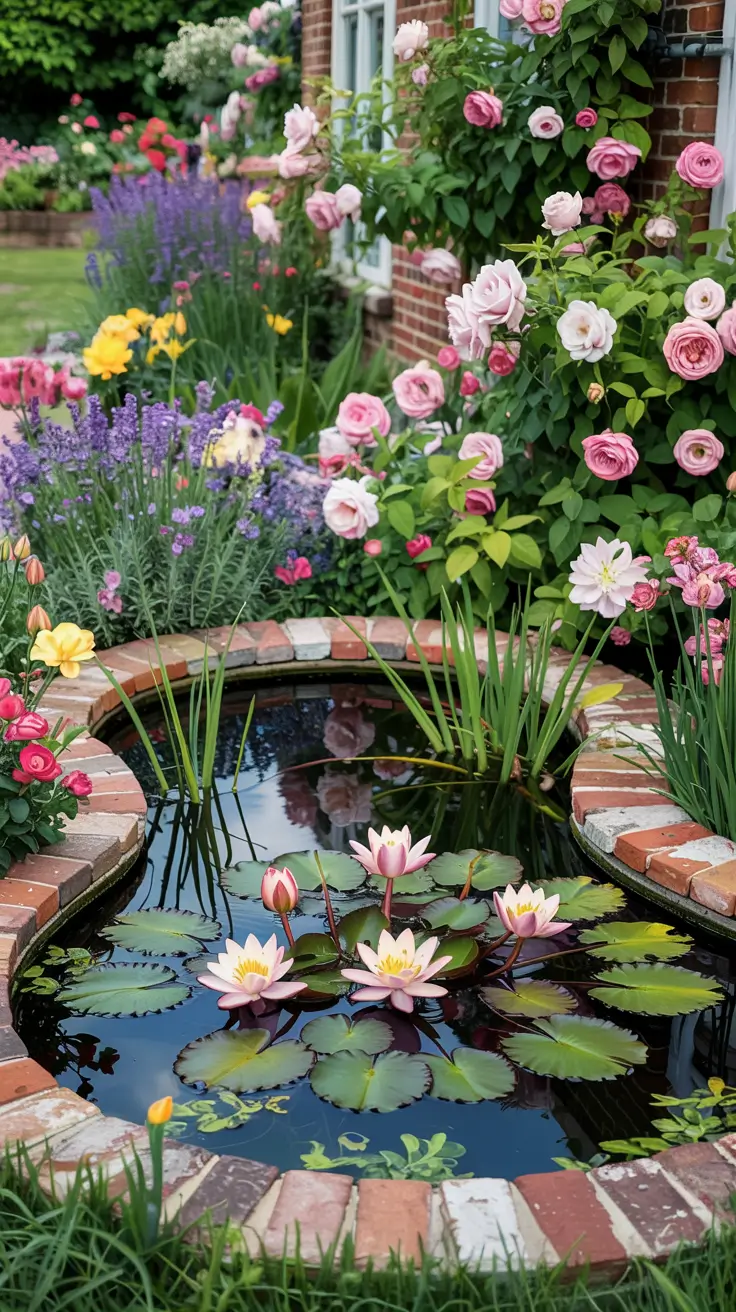
Personally, I find cottage ponds incredibly grounding. Many garden historians and UK-inspired US designers highlight imperfection as the soul of cottage style, and I fully embrace that philosophy.
What’s often missing is balance. I recommend leaving small clear sightlines so the pond doesn’t disappear entirely beneath planting.
Natural Garden Pond Ideas Inspired By Wildlife
A Natural garden pond designed for Wildlife focuses on habitat rather than symmetry. These ponds support insects, birds, amphibians, and plants, creating a living system rather than a static feature.
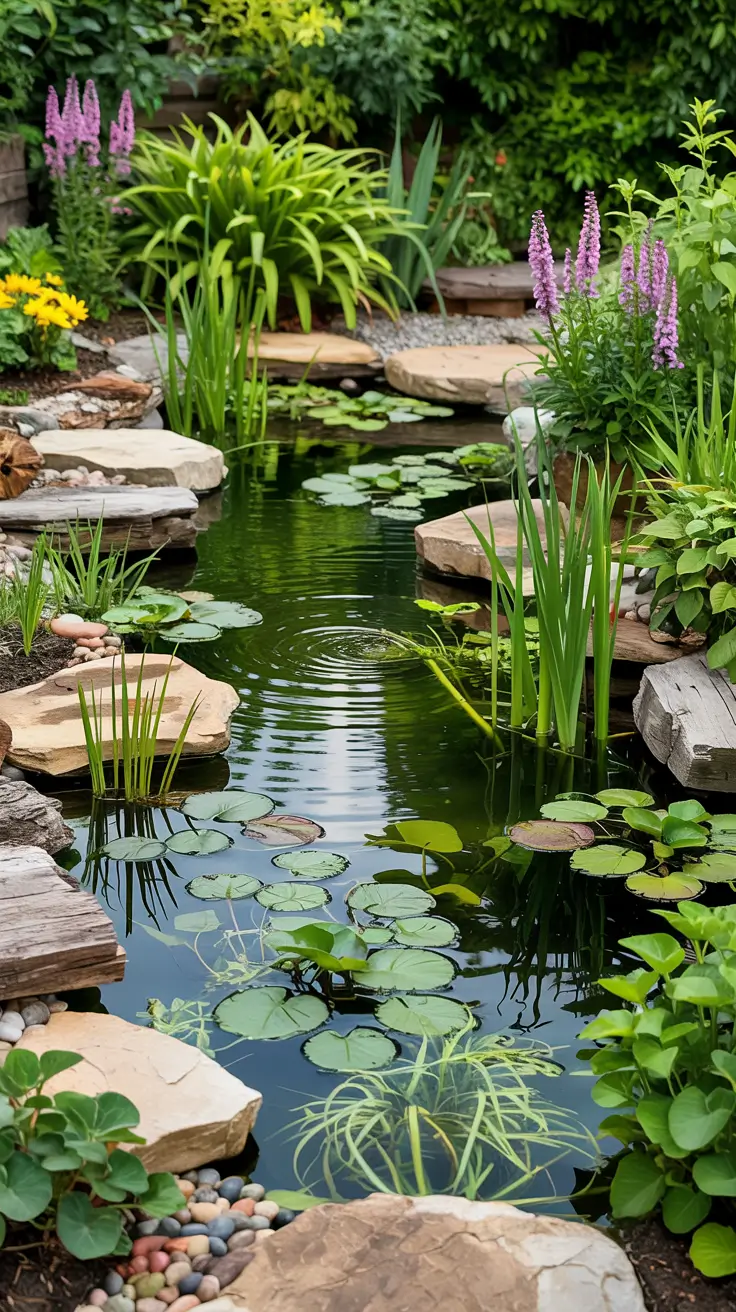
I design gentle slopes, varied depths, and planted margins to allow easy access for animals. Logs, stones, and native plants provide shelter, while avoiding sharp edges keeps the ecosystem safe and resilient.
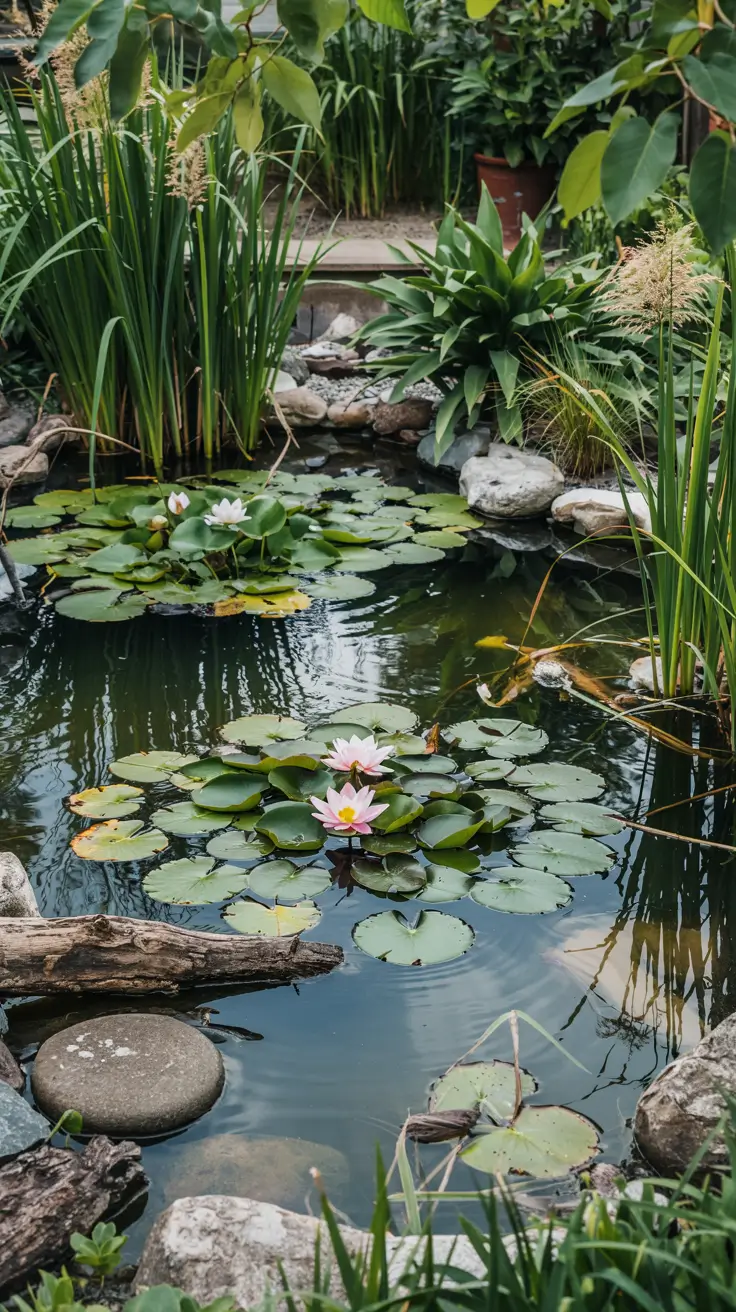
From my experience, wildlife ponds feel alive in a way few other garden features do. Conservation-focused landscape experts often stress that even small ponds can significantly support biodiversity, and I’ve seen that impact firsthand.
What’s often missing is patience. I always remind homeowners that wildlife ponds evolve over time and shouldn’t be rushed or overmanaged.
Large Garden Pond Ideas That Feel Like A Lake
When space allows, Large garden ponds can be designed to feel like a private Lake. These ponds rely on scale, openness, and long sightlines rather than intricate detailing.
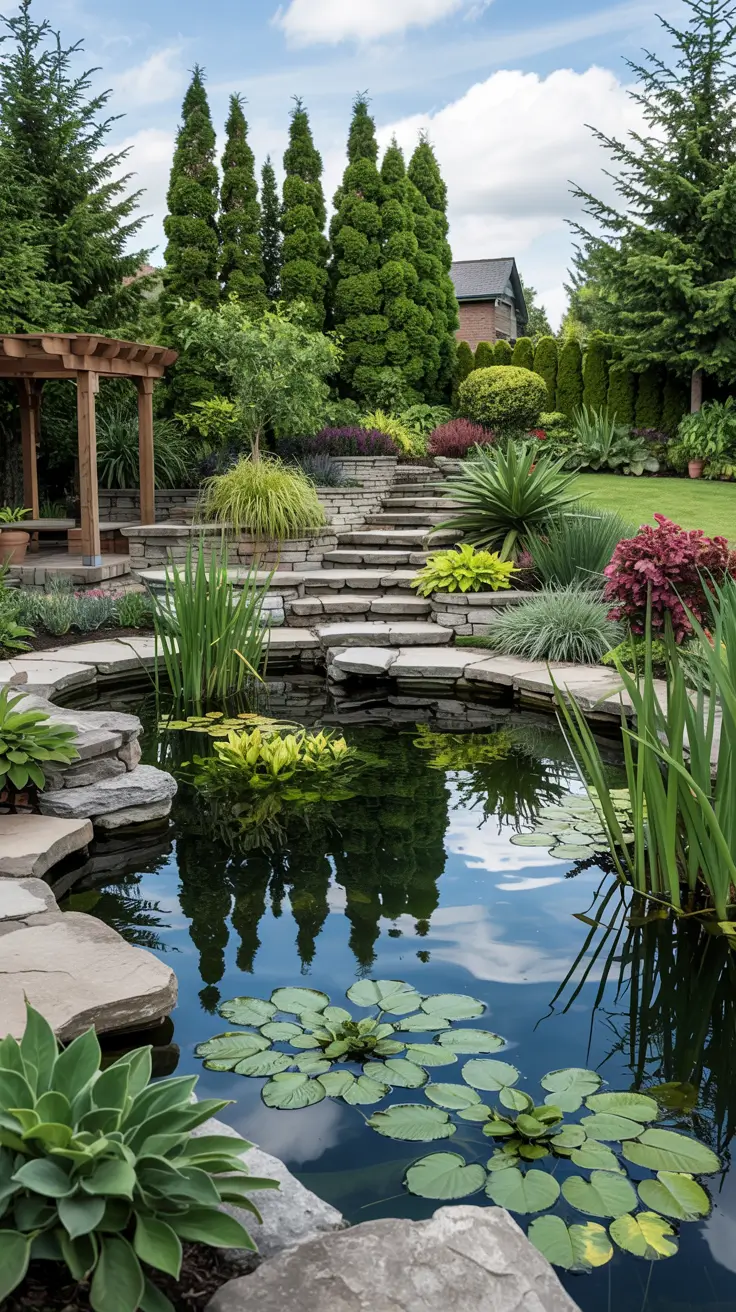
I usually keep the center open and uncluttered, with planting concentrated around the edges. Curved shorelines, natural stone, and minimal hardscape help reinforce the lake-like feeling. Reflections become a key design element here.
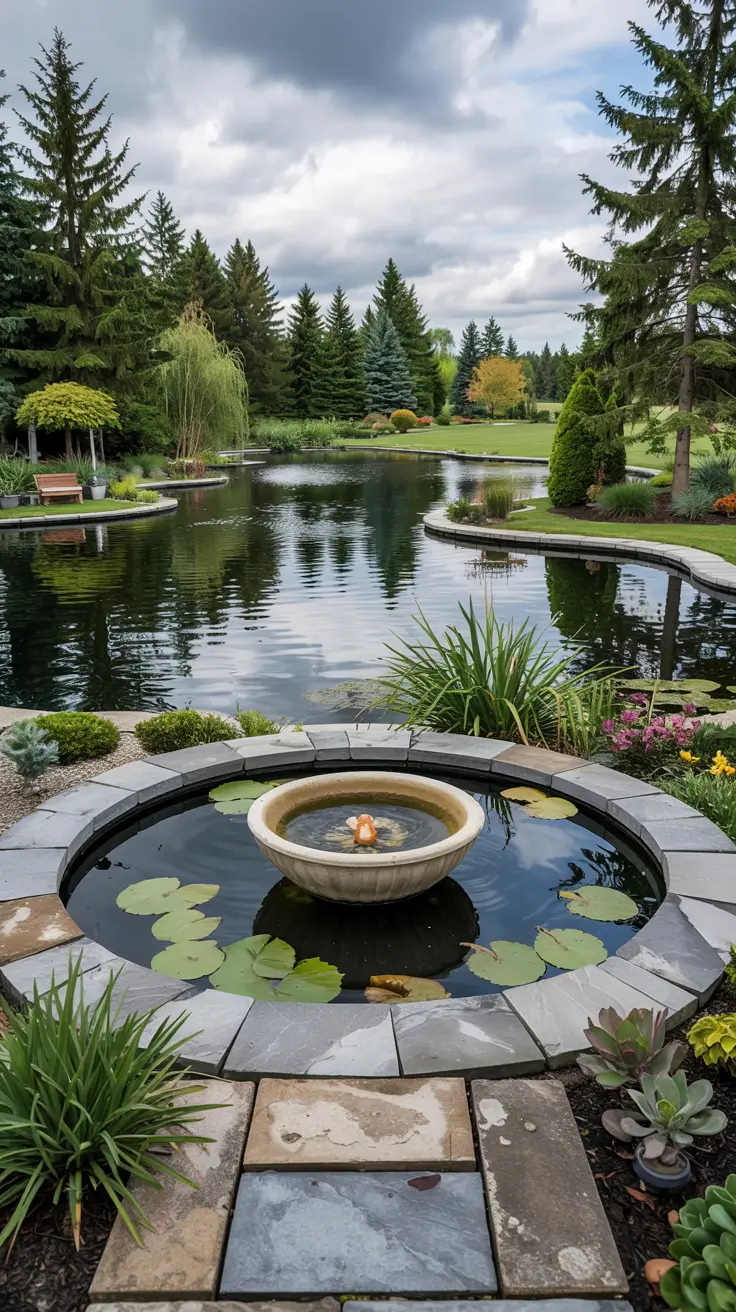
In my view, lake-style ponds offer unmatched calm. Many landscape architects note that open water creates a sense of visual breathing room, and I’ve found this especially valuable in expansive properties.
What’s often missing is access. I suggest including a small deck, jetty, or viewing platform to connect people physically to the water.
Conclusion
Garden ponds in 2026 are no longer just decorative accents — they’re expressions of lifestyle, sustainability, and personal taste. Whether you’re drawn to minimalist designs, wildlife-friendly spaces, or romantic water gardens, the right pond can transform how you experience your outdoor space. I’d love to hear which ideas resonated with you most — feel free to share your thoughts, questions, or personal pond plans in the comments and keep the conversation flowing 💧🌿