Have you noticed how rooftops are no longer an afterthought, but the most desired space in modern homes? In 2026, rooftop terrace design ideas simple, functional, and lifestyle-driven are redefining how we experience outdoor spaces in the city. From small rooftop terrace design roof decking ideas to lush gardens and bar-inspired layouts, rooftops are becoming true extensions of our homes.
In this article, I’ll walk you through the most relevant terrace rooftop design ideas for 2026—practical, stylish, and designed for real outdoor living, not just visual impact.
Simple Rooftop Terrace Design Ideas
I always say that simplicity is the hardest thing to get right, especially when it comes to rooftop terraces. A simple rooftop terrace design focuses on clean lines, uncluttered layouts, and materials that feel natural rather than overworked. In 2026, this approach is all about balance—enough furniture to support outdoor living, but enough open space to let the roof breathe and feel calm.
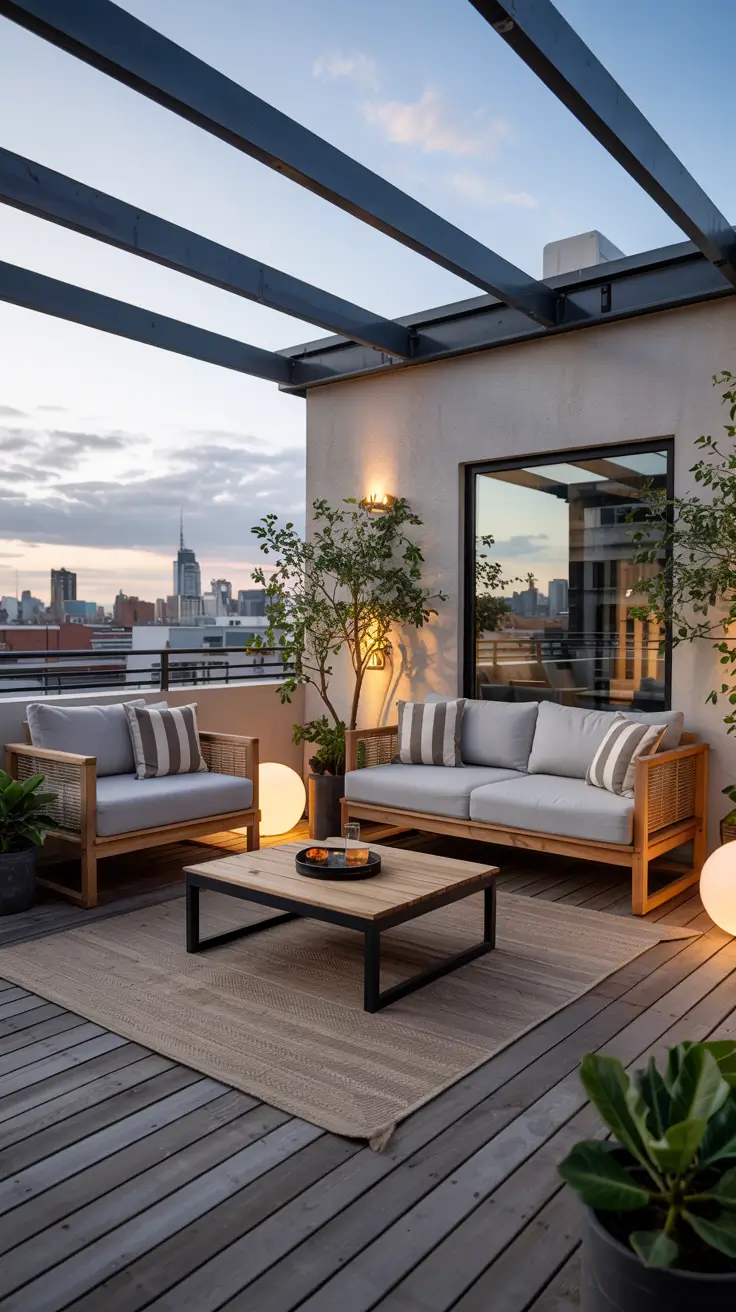
When I design or evaluate a simple terrace, I look for modular seating, neutral-toned outdoor sofas, low-profile coffee tables, and subtle lighting like recessed floor lights or warm LED strips. These elements work together without competing for attention, making the terrace practical for daily use. Natural materials such as wood decking, stone tiles, and linen cushions elevate the space without overwhelming it.
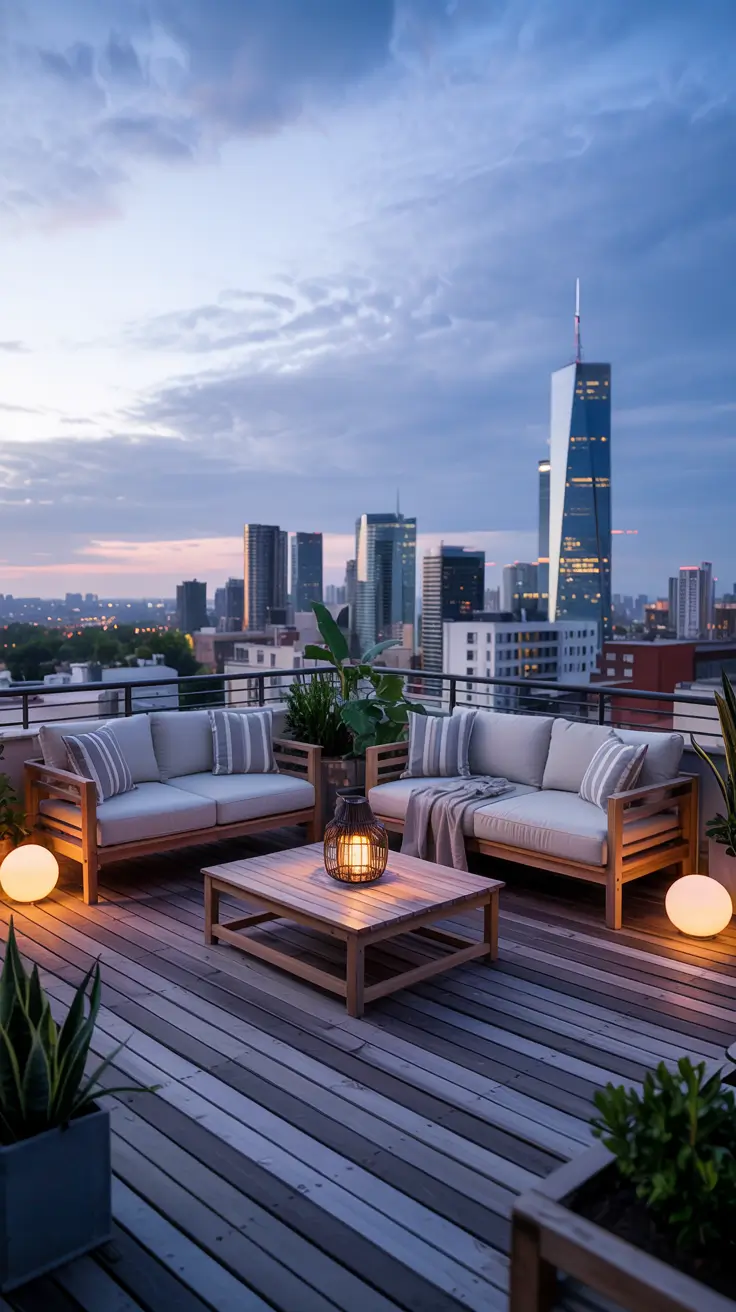
From my experience, simple terraces are the most livable long-term. Designers at Architectural Digest often emphasize that restraint allows outdoor spaces to age beautifully, and I couldn’t agree more. What I would still add to this setup is adjustable shade—like a minimalist pergola or retractable canopy—because comfort is what ultimately makes simplicity work.
Small Rooftop Terrace Roof Decking Solutions
Designing a small rooftop terrace is where thoughtful planning really matters. In compact spaces, small rooftop terrace design roof decking ideas become the foundation of everything else. A well-chosen deck can visually expand the space, create zones, and make the terrace feel intentional rather than cramped.
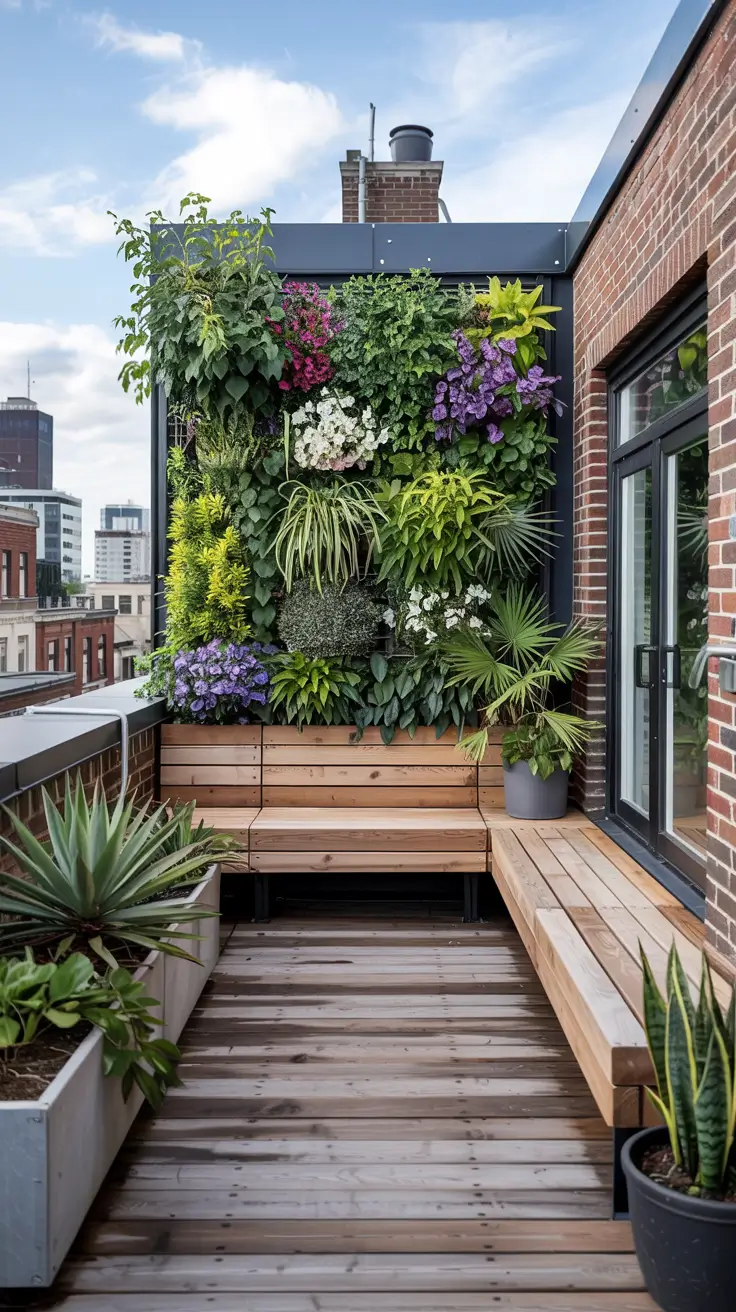
I usually recommend composite or wooden deck tiles laid diagonally or in wide planks to visually stretch the area. Built-in benches along the perimeter double as seating and storage, which is essential for smaller rooftops. Lightweight furniture, foldable chairs, and wall-mounted planters keep the center open and functional.
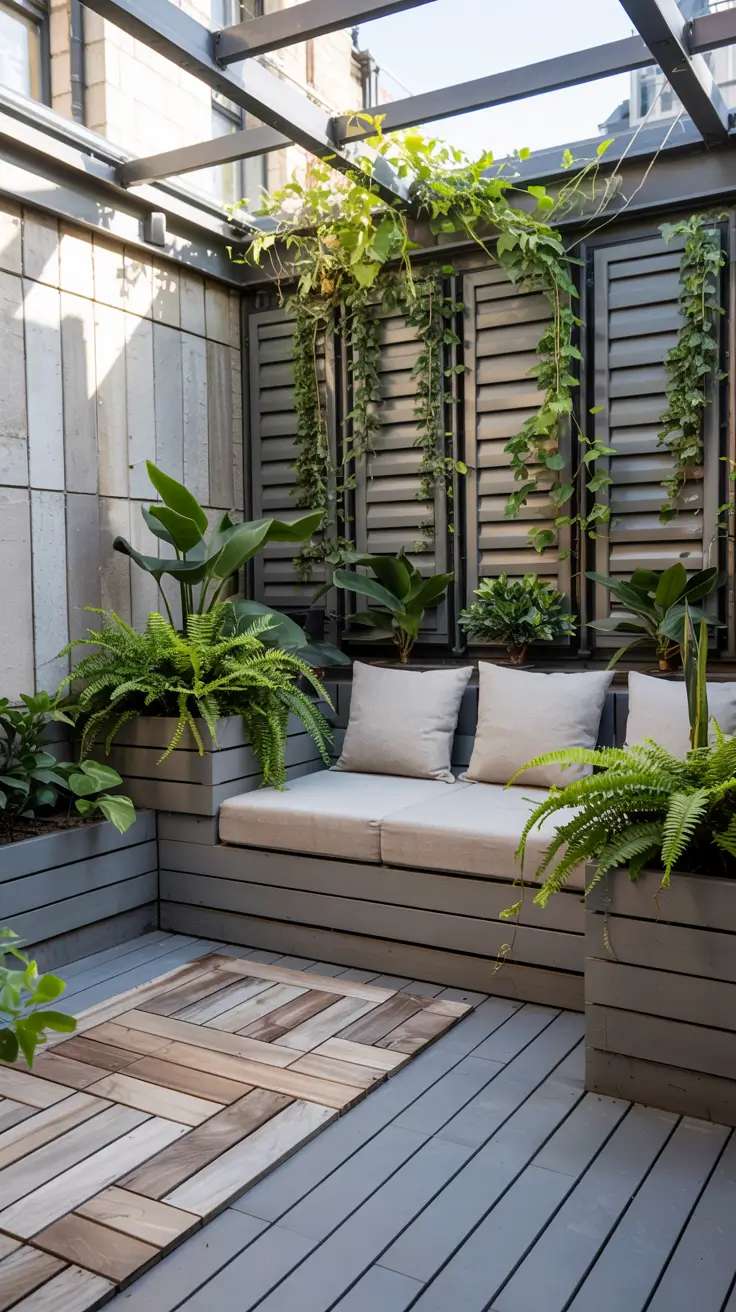
Personally, I’ve found that small rooftops shine when every element has a purpose. Interior designers from Dwell often highlight multi-functional outdoor furniture as a must for compact spaces. If anything is missing here, it’s vertical greenery—adding climbing plants or slim trellises brings life upward without sacrificing precious floor space.
Modern Terrace Rooftop Design
Modern terrace rooftop design in 2026 is defined by structure, contrast, and intentional geometry. These terrace rooftop design ideas feel architectural, often echoing the lines of the building itself. The goal is to create a rooftop that feels like a designed room rather than an open platform.
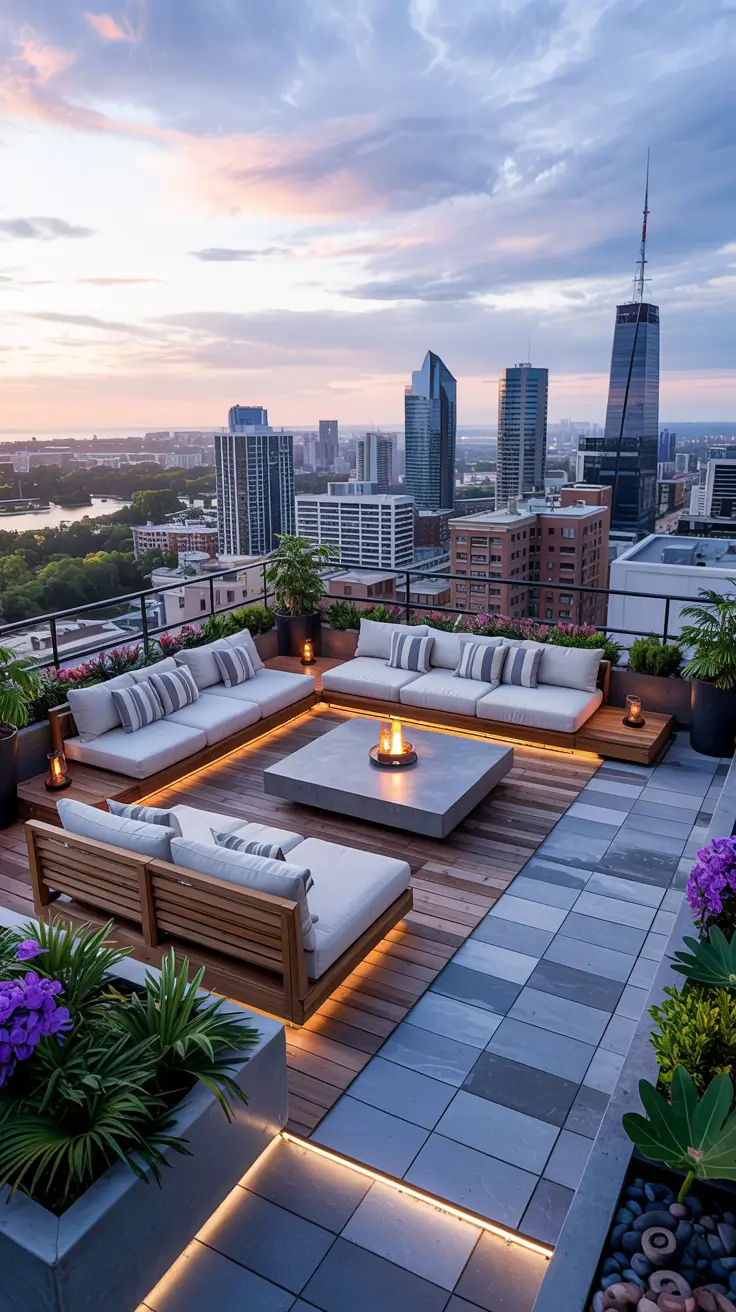
Furniture choices lean toward sleek outdoor sectionals, metal-framed loungers, and concrete or stone tables. I pay close attention to finishes—matte black, soft gray, and warm wood tones dominate modern rooftops. Integrated lighting, such as linear LEDs under benches or steps, enhances the design without visual clutter.
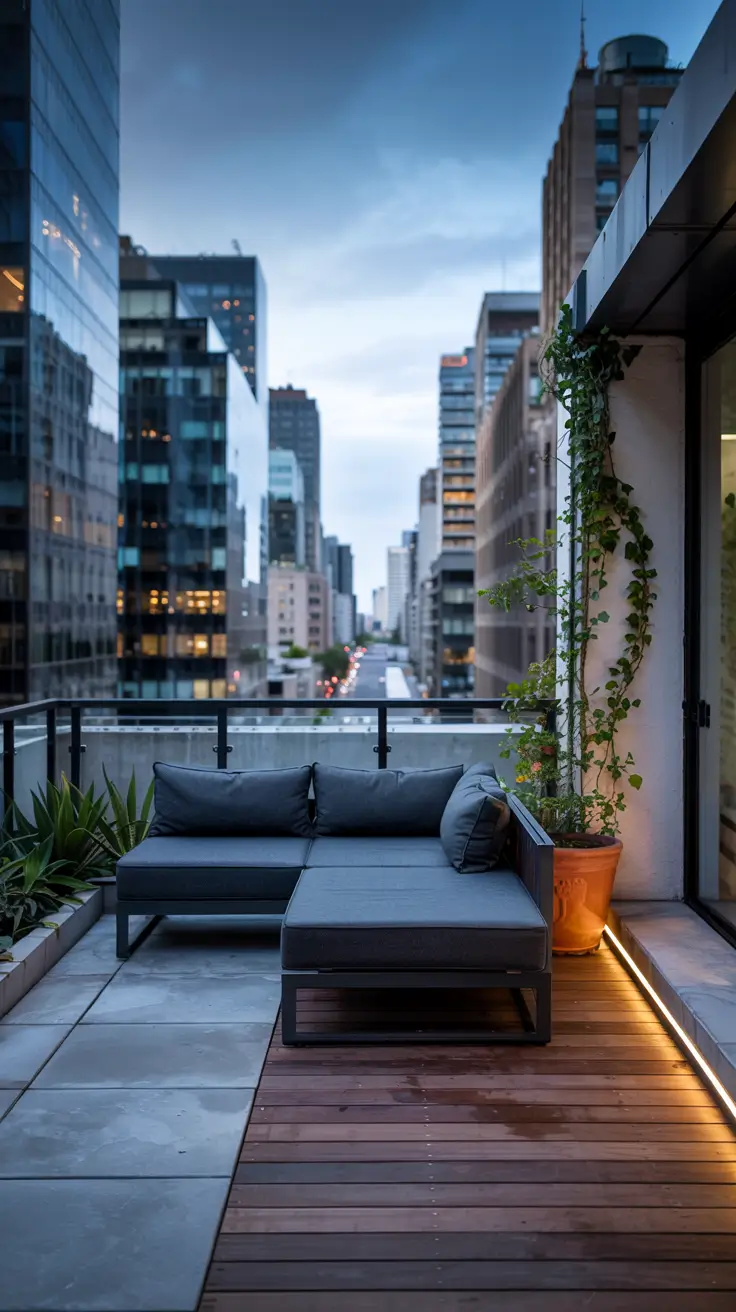
In my view, modern rooftops benefit from restraint and precision. Designers from Dezeen frequently stress that modern outdoor spaces should feel cohesive with the interior, not separate from it. One thing I would always add here is a focal element—like a fire table or sculptural planter—to anchor the space and prevent it from feeling too sterile.
Roof Garden Ideas For Rooftop Terrace Houses
Nothing transforms a rooftop like greenery, and roof garden design ideas rooftop terrace house concepts are more relevant than ever. In 2026, rooftop gardens are designed to feel immersive, offering a soft contrast to urban surroundings while still being practical.
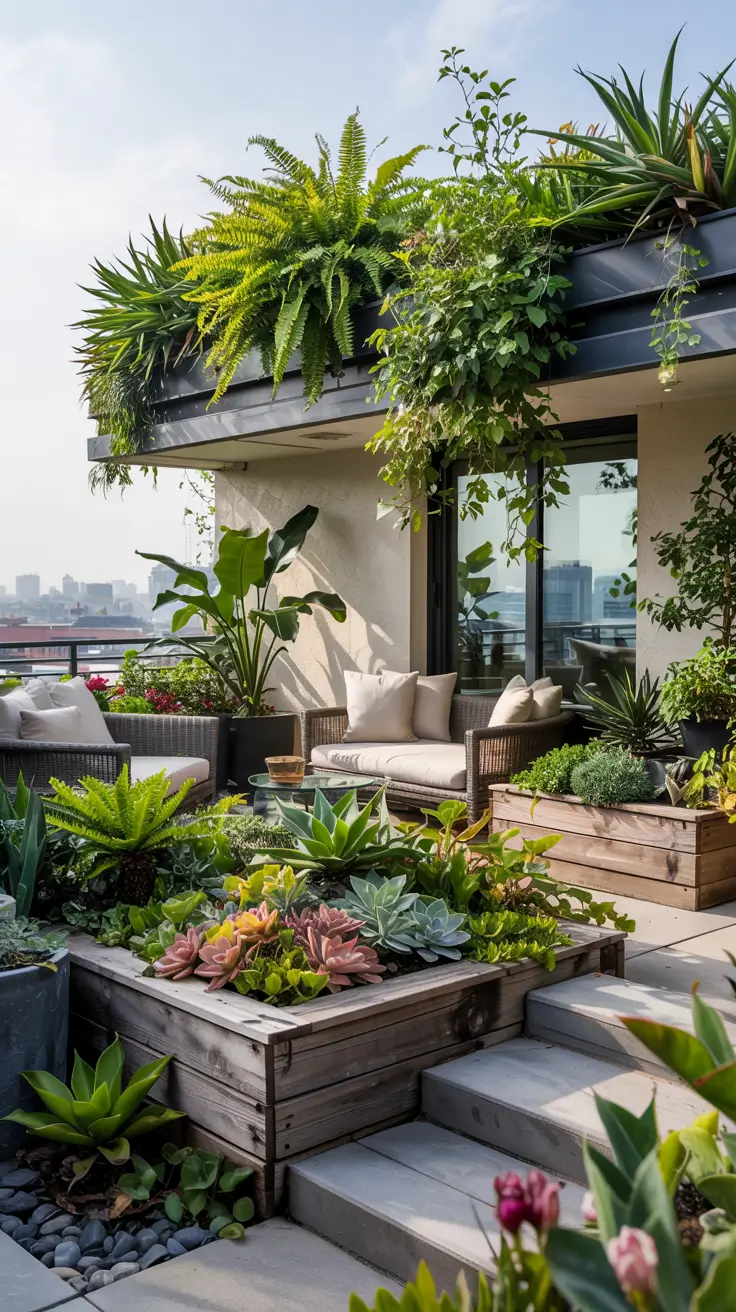
I focus on layered planting: tall shrubs for privacy, medium planters for structure, and ground-level greenery to soften hard surfaces. Raised beds, built-in planters, and irrigation systems make maintenance realistic. These roof gardens aren’t just decorative—they regulate temperature and improve comfort.
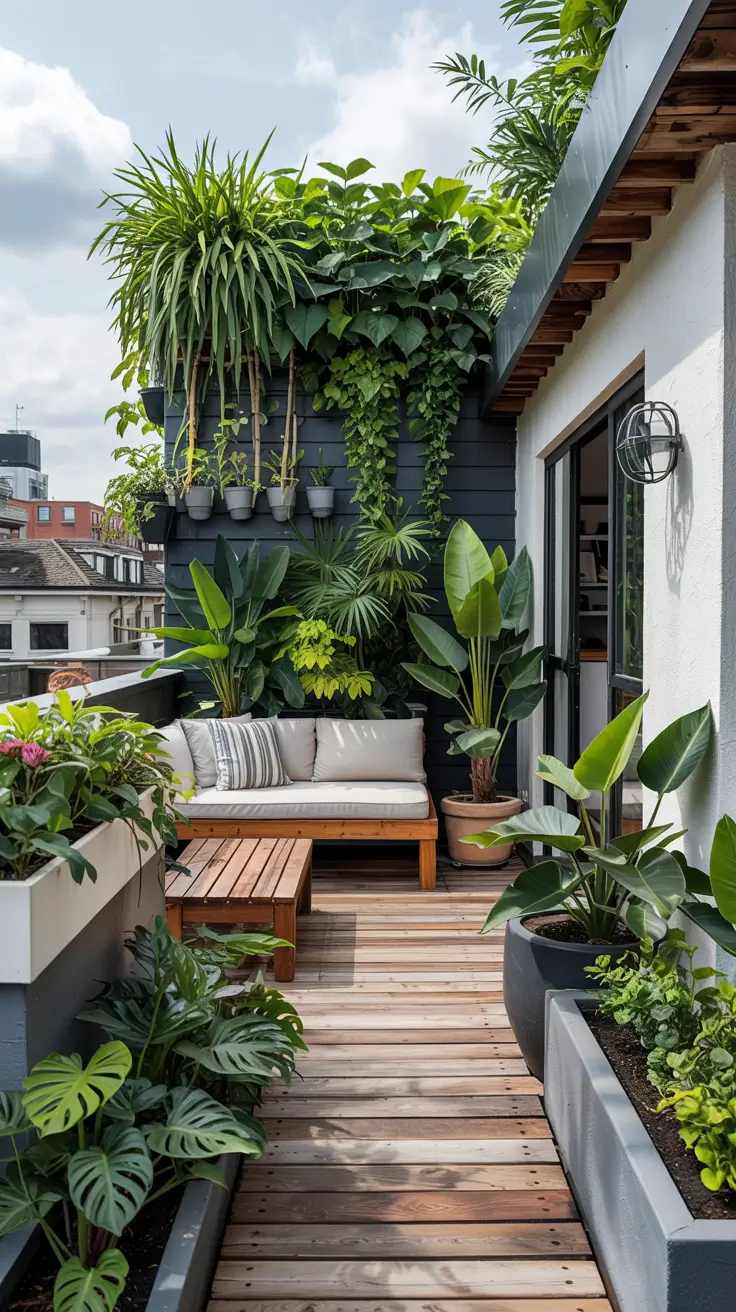
From my experience, a rooftop garden works best when it’s planned as part of the architecture, not added later. Landscape designers featured in Garden Design Magazine often emphasize native plants for durability. What I’d still include here is comfortable seating woven into the greenery—because a garden should invite you to stay, not just admire it.
Rooftop Bar Inspired Roof Terrace Design
One of my favorite trends is roof terrace design rooftop bar ideas adapted for private homes. These terraces bring a sense of luxury and social energy, even in residential settings. The layout usually centers around interaction, with defined zones for seating, standing, and entertaining.
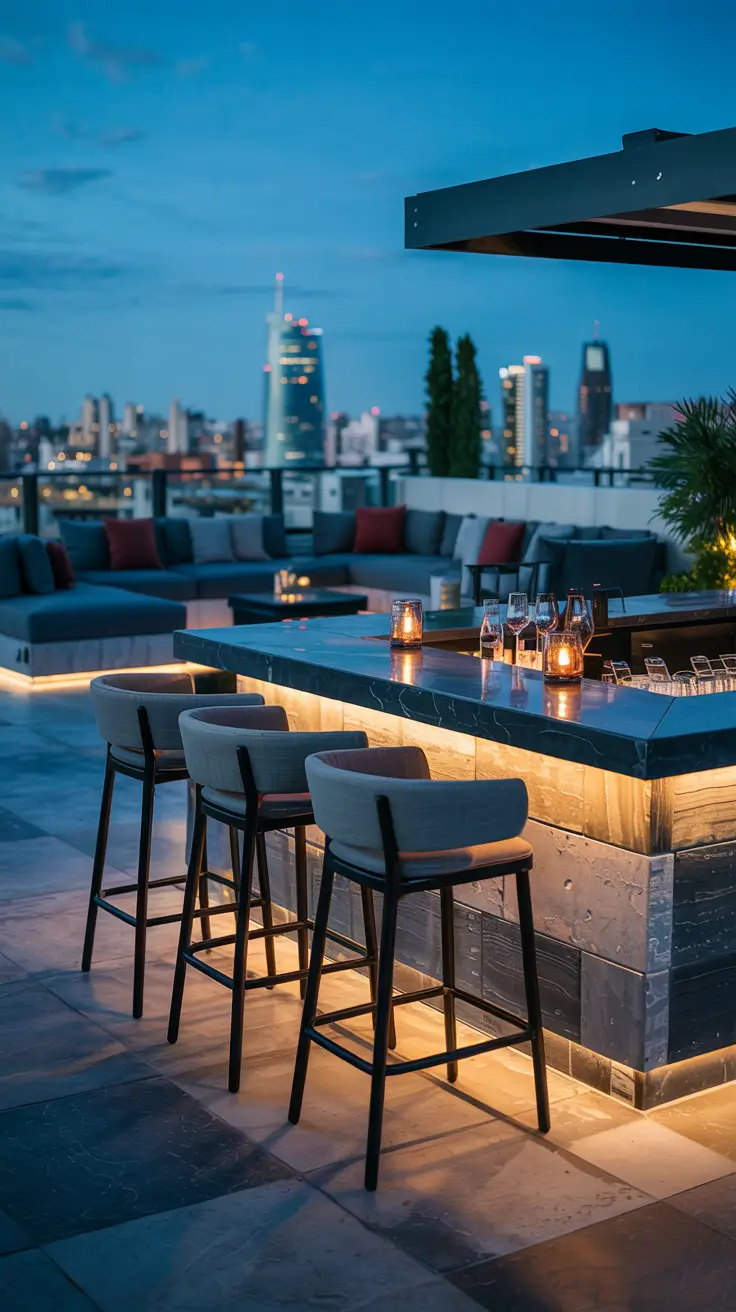
Key elements include a compact bar counter, high stools, outdoor-rated cabinetry, and ambient lighting. I always recommend weather-resistant materials like stainless steel, stone countertops, and teak accents. This style works particularly well for evening use, turning the rooftop into a destination.
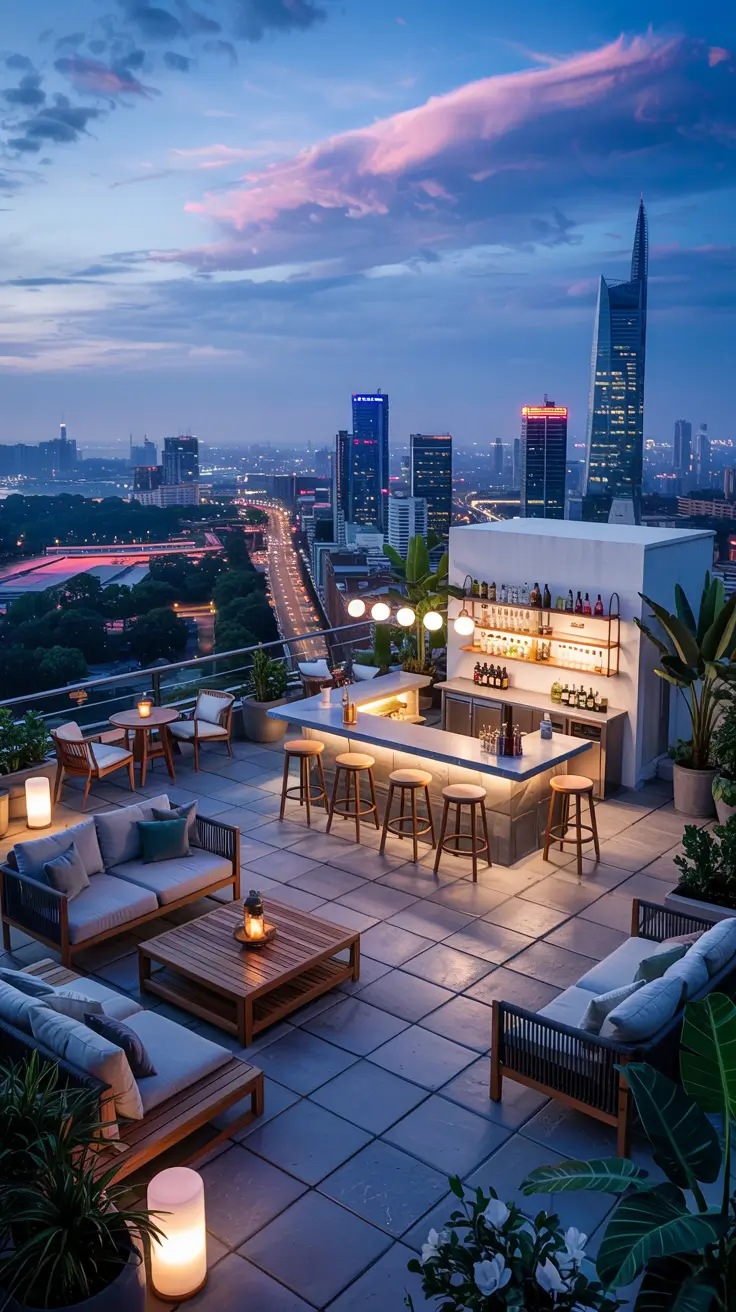
In my opinion, rooftop bar terraces succeed when they feel inviting, not overdone. Hospitality designers often point out that lighting sets the mood more than furniture. What’s often missing is adequate storage—adding concealed cabinets keeps the space functional without compromising aesthetics.
Rooftop Terrace Outdoor Living Concepts
True rooftop terrace design ideas outdoor living focus on comfort and daily usability, not just aesthetics. In 2026, rooftops are treated as outdoor living rooms, complete with lounging, dining, and even work zones.
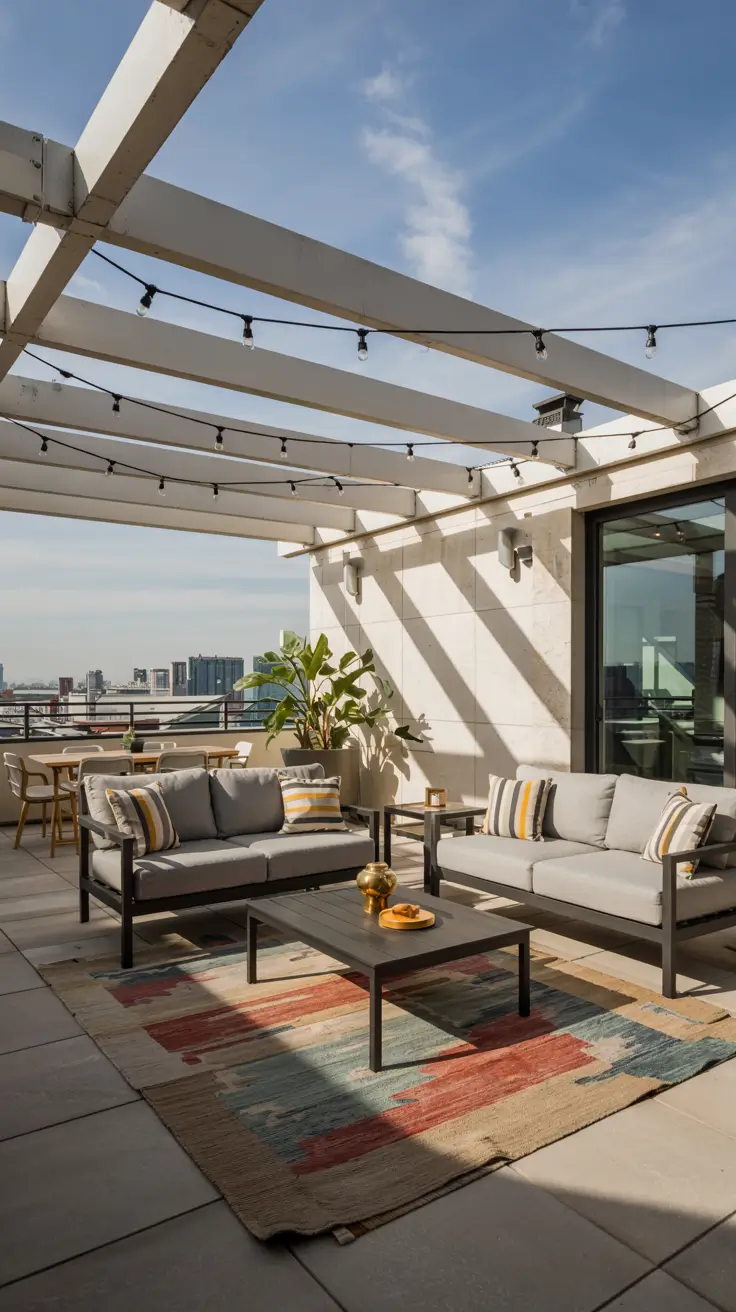
I design these terraces with soft seating, outdoor rugs, layered lighting, and flexible layouts. Weather-resistant sofas, adjustable tables, and movable planters allow the space to adapt throughout the day. This approach makes the rooftop feel like a natural extension of the interior.
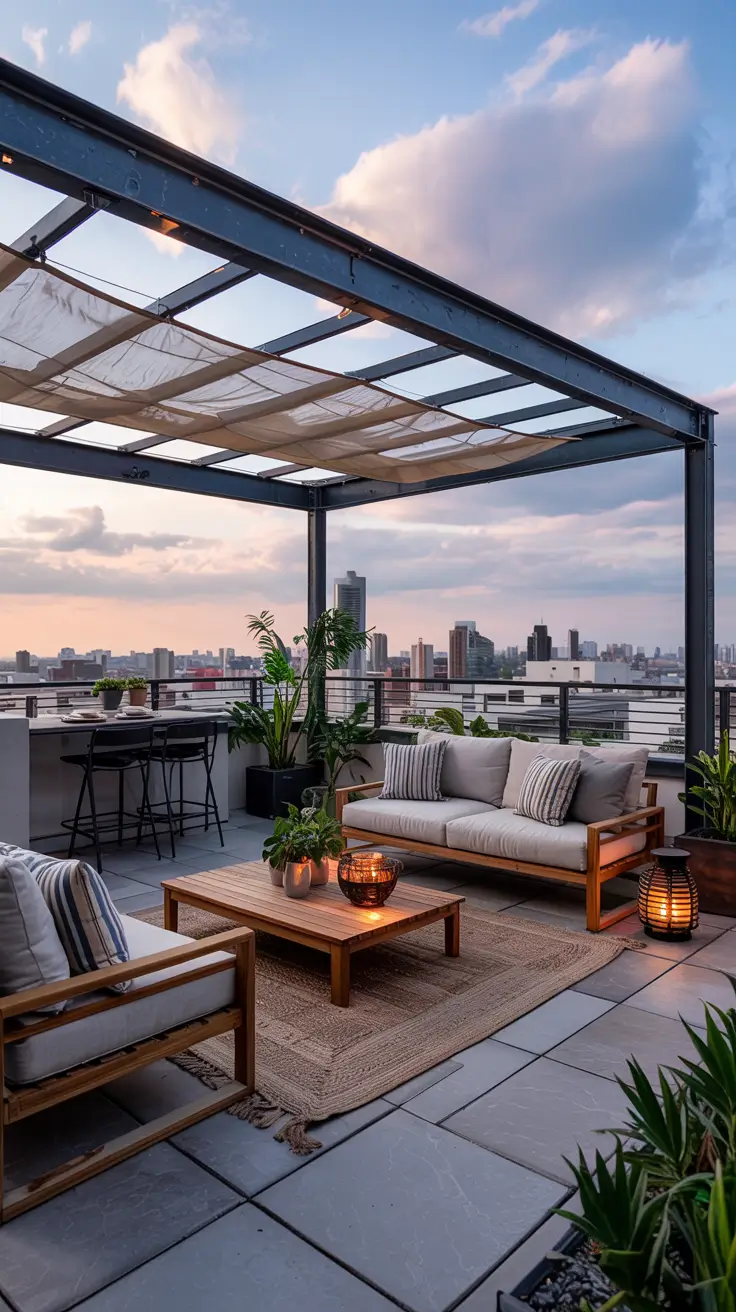
From my experience, outdoor living works best when it mirrors indoor habits. Designers from House Beautiful often stress that outdoor spaces should support real routines. What I would still add is weather protection—such as wind screens or pergolas—to ensure the terrace remains usable across seasons.
Indian Terrace Garden Rooftop Ideas
Terrace garden ideas indian rooftop patio design bring warmth, tradition, and texture into rooftop spaces. These designs blend greenery with cultural elements, creating rooftops that feel soulful and lived-in.
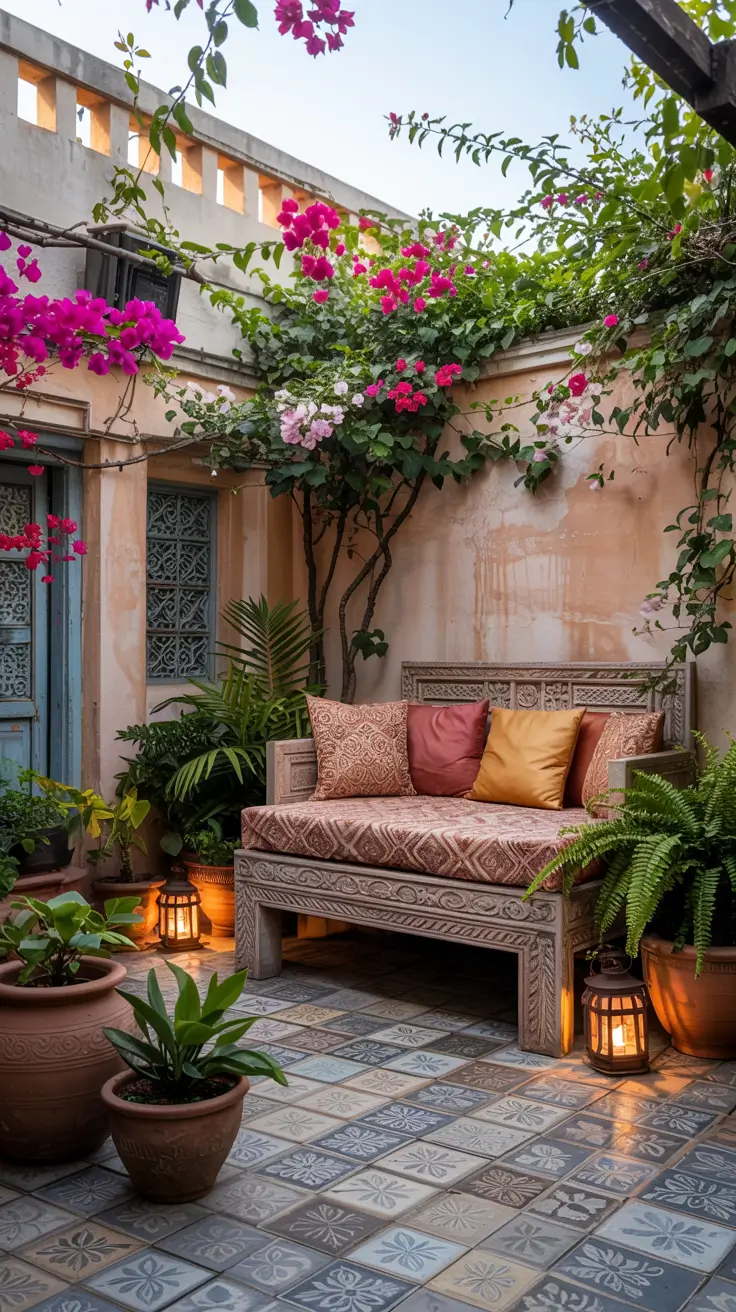
I often see terracotta pots, patterned tiles, low seating, and vibrant textiles used alongside lush plants. Wooden swings, floor cushions, and lantern-style lighting add personality while keeping the space grounded. The garden becomes both decorative and functional.
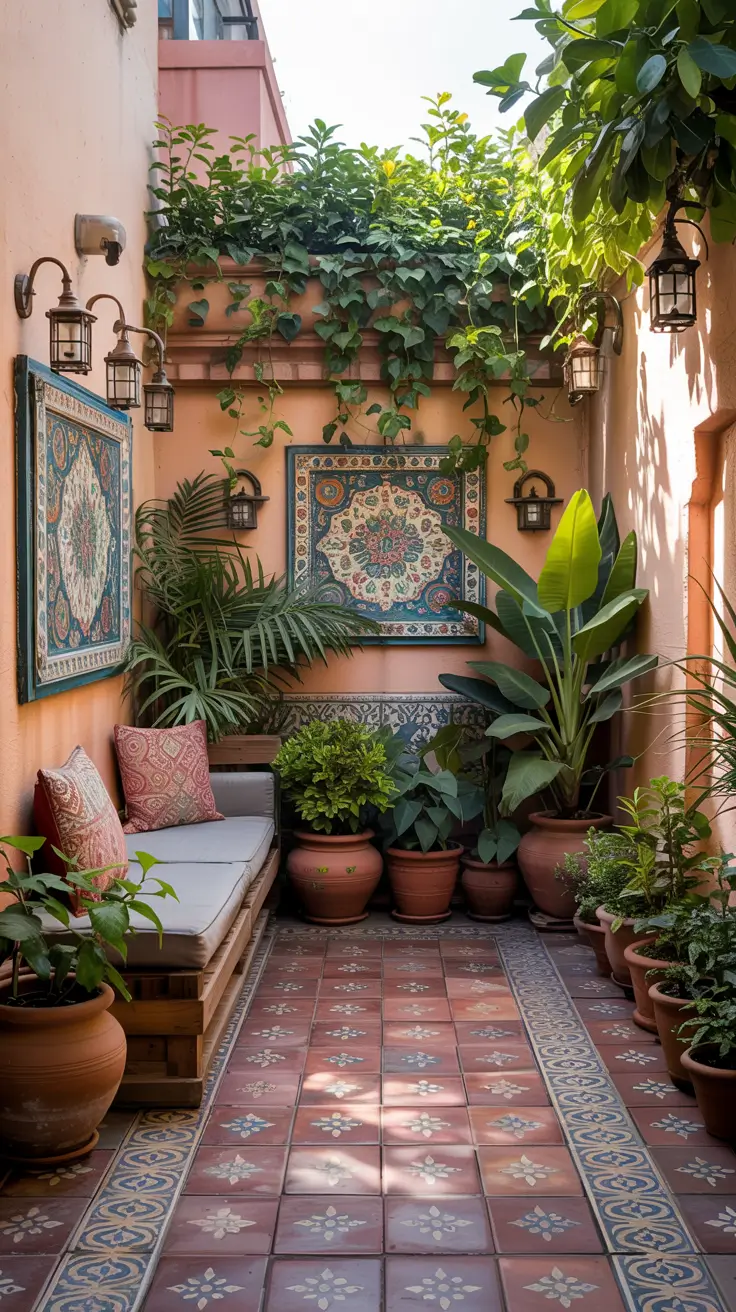
Personally, I admire how Indian terrace gardens prioritize atmosphere over perfe
Balcony To Rooftop Terrace Design
Designing a transition from a balcony to a rooftop terrace is about visual continuity and functional flow. In 2026, this idea focuses on blurring boundaries—using similar materials, colors, and layouts so the rooftop feels like a natural extension of the home rather than a separate zone.
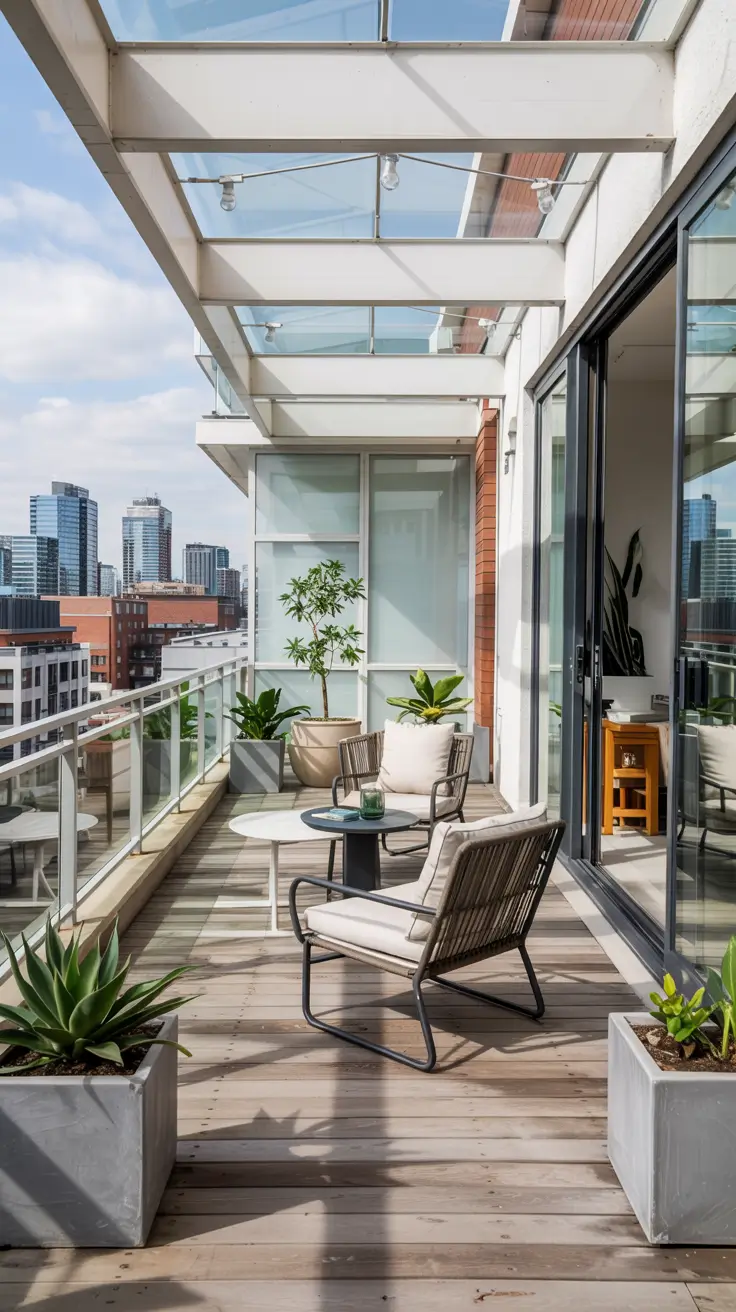
I usually recommend matching flooring tones between the balcony and rooftop, whether that’s wood-look tiles or subtle stone finishes. Slim-profile outdoor seating, glass railings, and integrated planters help keep sightlines open. These balcony design ideas rooftop terrace concepts are especially effective in urban homes where space needs to feel seamless.
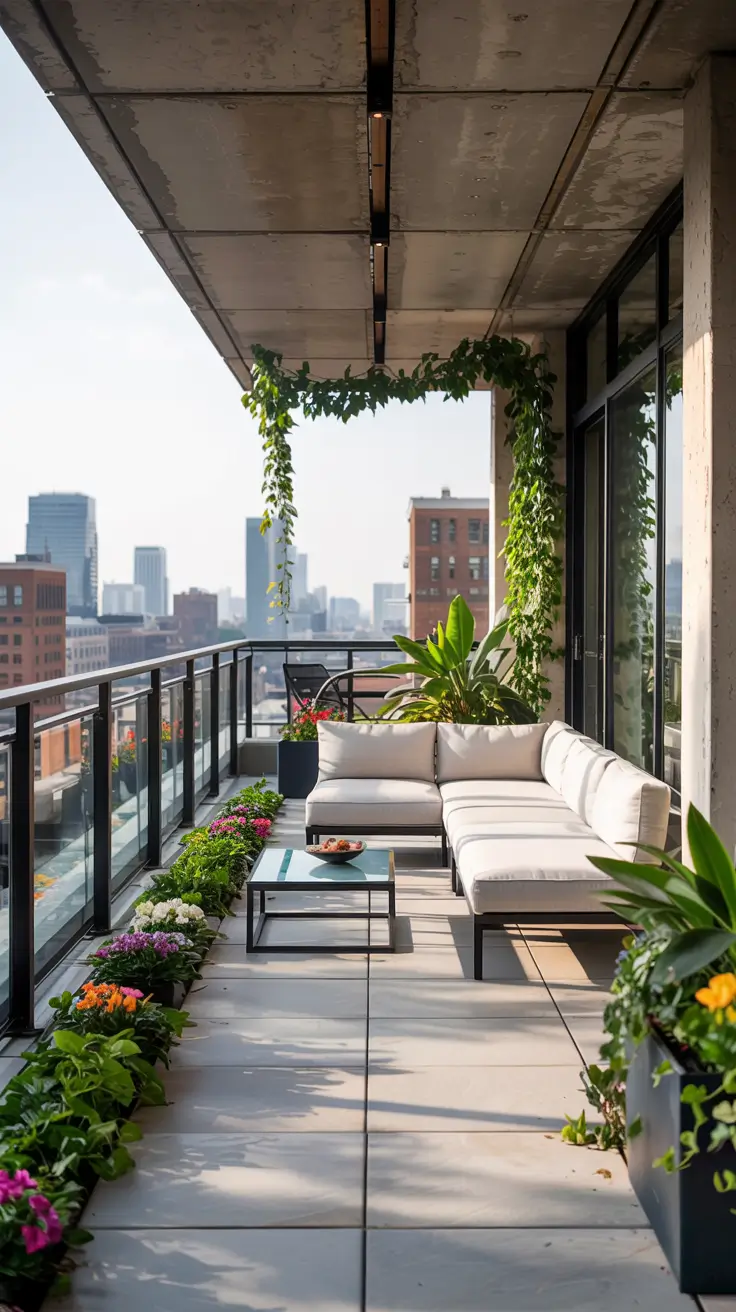
From my experience, the biggest mistake here is treating the balcony as an afterthought. Designers from Elle Decor often emphasize cohesion between indoor and outdoor spaces. What I would still add is consistent lighting—wall sconces or linear LEDs—to visually connect both levels at night.
Roof Deck Outdoor Rooftop Terrace Ideas
A strong deck is the backbone of any successful rooftop, and rooftop terrace design roof deck outdoor ideas are all about durability paired with comfort. In 2026, roof decks are designed to handle daily use while still looking refined.
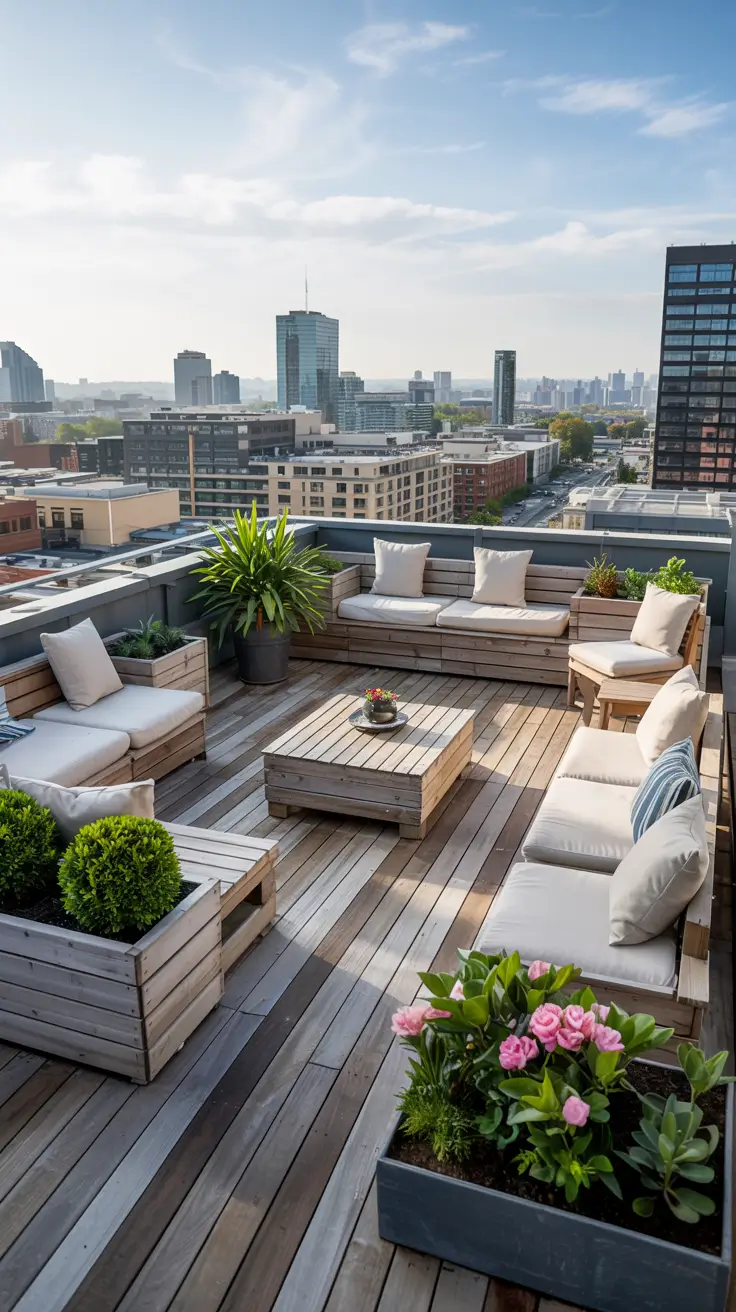
I focus on weather-resistant decking materials, such as composite boards or treated wood, paired with defined zones for lounging and movement. Built-in seating, raised planters, and subtle level changes help organize the space without walls. A well-planned roof deck outdoor layout makes the terrace feel intentional and spacious.
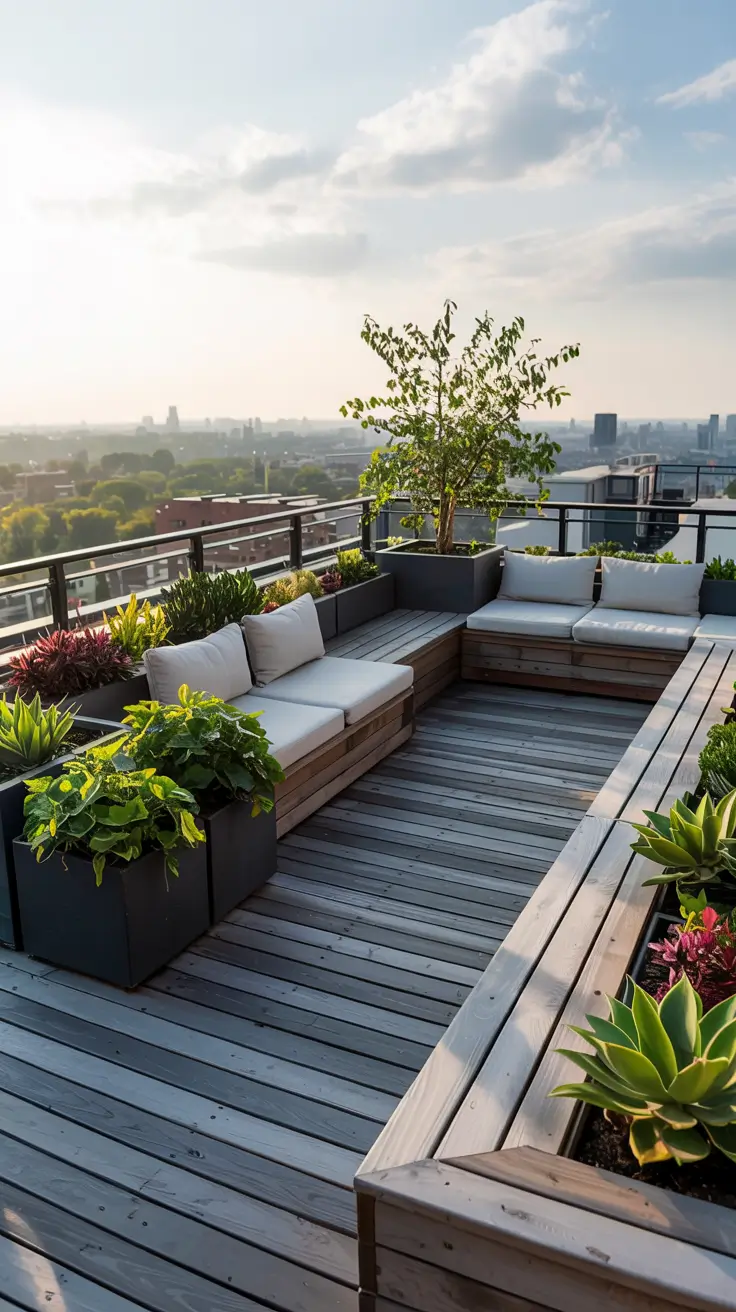
Personally, I believe roof decks should be designed with barefoot comfort in mind. Outdoor designers featured in Sunset Magazine often stress texture and temperature underfoot. What’s often missing is shade—adding umbrellas or pergolas significantly improves usability during hot months.
Hotel Style Rooftop Terrace Design
Hotel terrace design rooftop bar ideas continue to influence residential rooftops in 2026. These terraces feel polished, social, and slightly indulgent, borrowing elements from boutique hotels and luxury resorts.
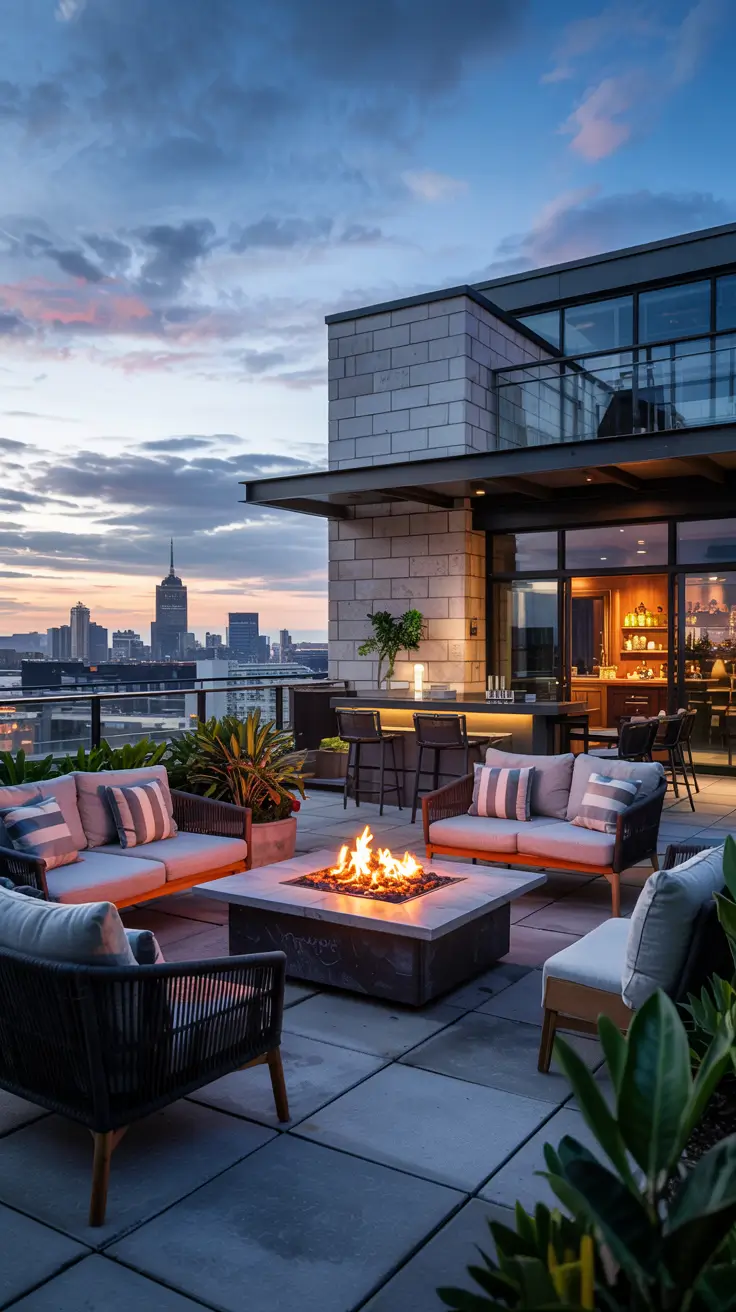
I typically see plush outdoor sofas, accent chairs, statement lighting, and carefully curated decor. Fire pits, bar counters, and layered lighting create atmosphere without overwhelming the space. The goal is to make the rooftop feel like a destination rather than just another outdoor area.
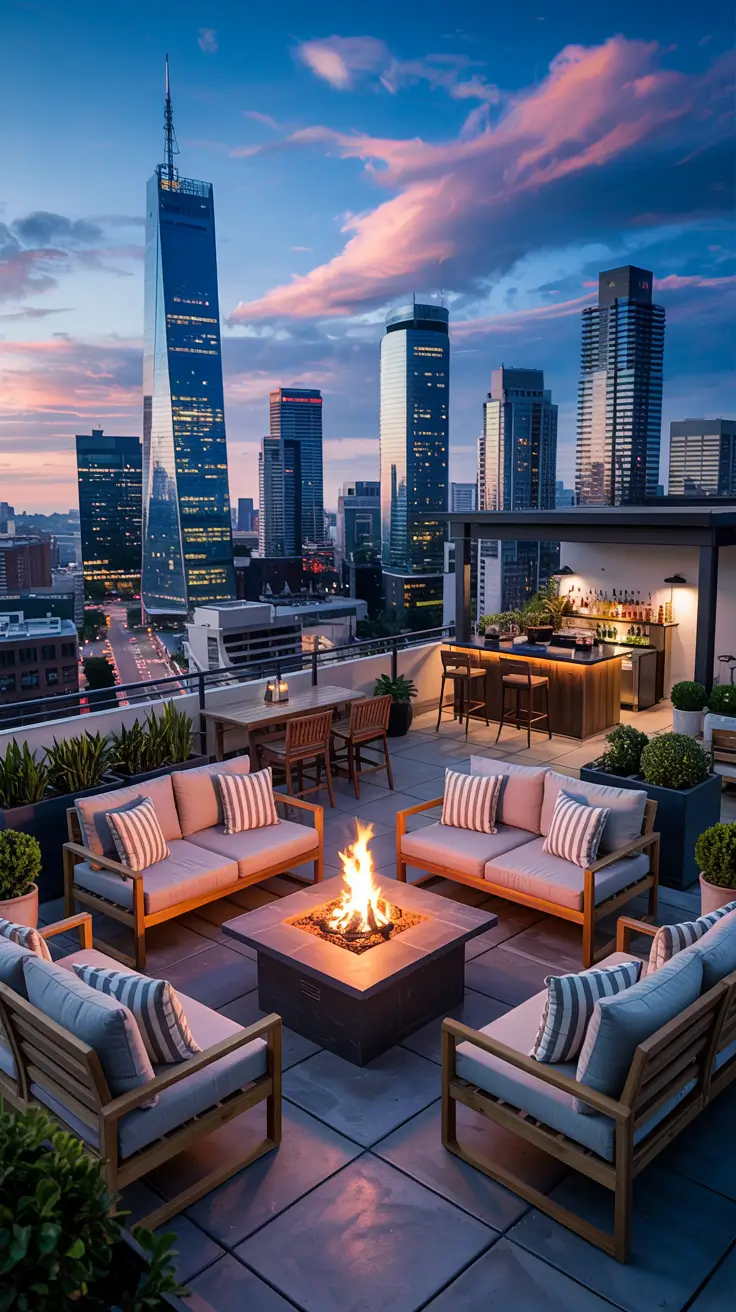
From my perspective, hotel-style terraces work best when comfort is prioritized over spectacle. Hospitality designers often note that guests remember how a space feels more than how it looks. What I would add here is acoustic consideration—soft furnishings and greenery help absorb sound and improve the experience.
Compact Roof Deck Ideas For Small Rooftop Terraces
When space is limited, small rooftop terrace design roof deck ideas need to be especially strategic. Compact rooftops benefit from layouts that feel open while still offering enough seating and functionality.
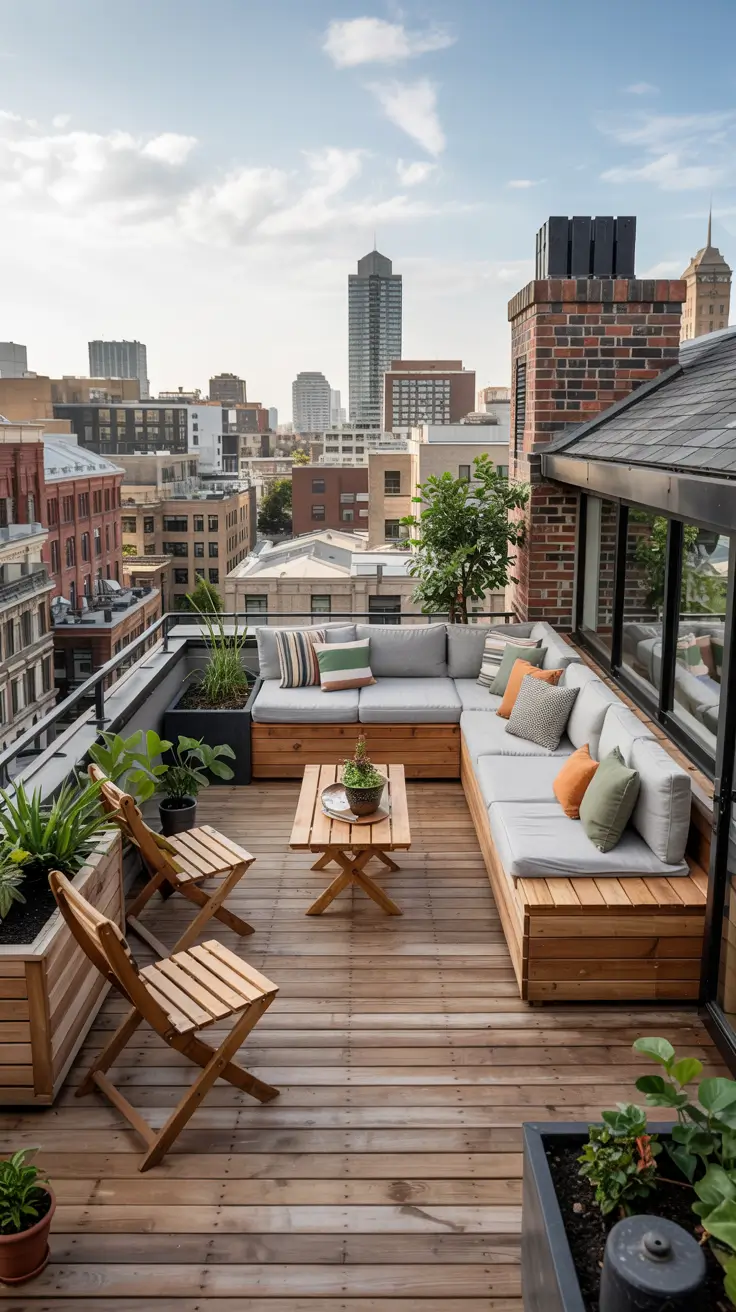
I recommend built-in benches, foldable furniture, and perimeter planters that double as privacy screens. Keeping the center of the deck clear allows movement and flexibility. Light-colored decking and furniture visually expand the area and prevent the terrace from feeling crowded.
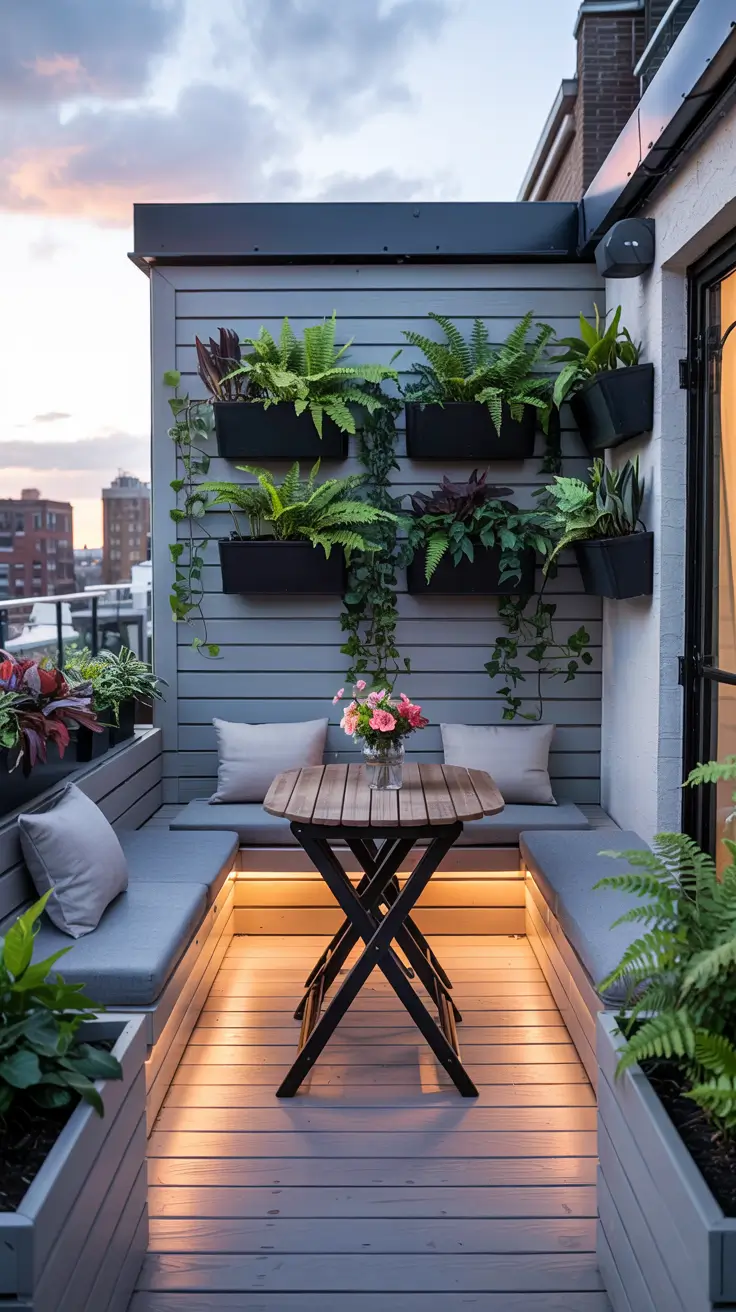
In my experience, compact rooftops perform best when designed around one primary function—lounging, dining, or relaxing. Designers from Apartment Therapy often highlight clarity of purpose in small spaces. What’s often missing is hidden storage, which keeps the terrace clean and usable.
Rooftop Roof Garden Design Trends 2026
Roof garden design rooftop terrace ideas in 2026 are more intentional, sustainable, and architectural than ever. These gardens are designed to thrive long-term, not just look good for a season.
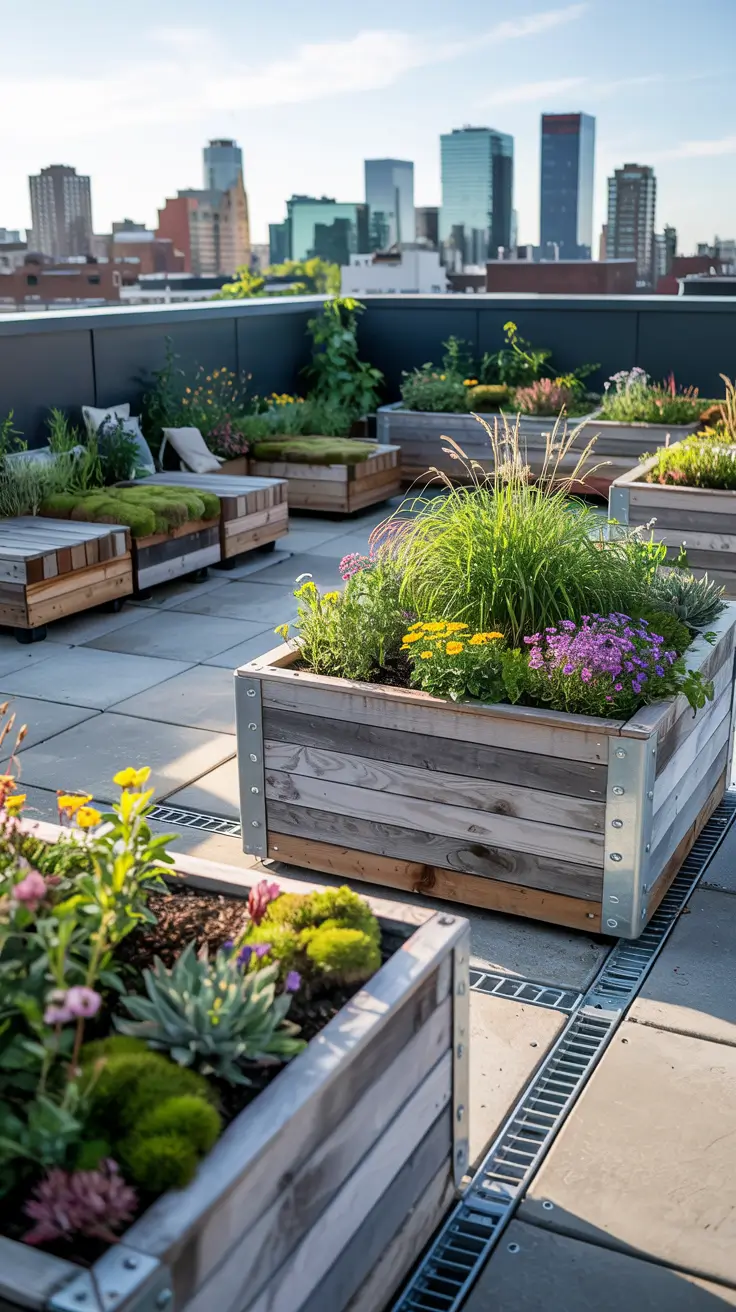
I see a strong focus on native plants, modular planters, and integrated irrigation systems. Greenery is layered to provide privacy, shade, and visual depth without overwhelming the space. These roof gardens also help regulate temperature and improve overall comfort.
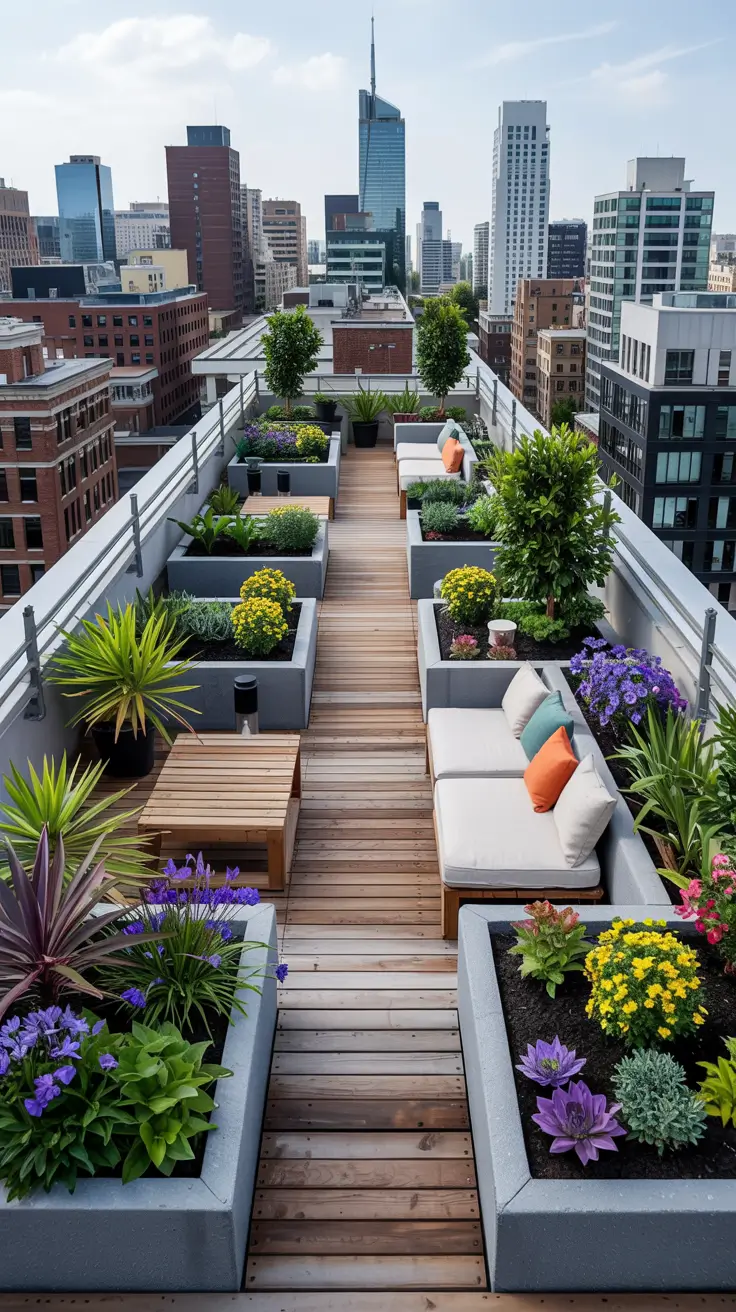
From my point of view, the most successful rooftop gardens feel curated, not wild. Landscape designers writing for Gardenista often stress maintenance-friendly planting. What I would still include is comfortable seating woven directly into the garden layout to encourage daily use.
Minimal And Simple Rooftop Terrace Design
Minimalism and Simple design remain central to rooftop trends in 2026. These terraces rely on negative space, restrained color palettes, and carefully chosen materials to create calm environments above the city.
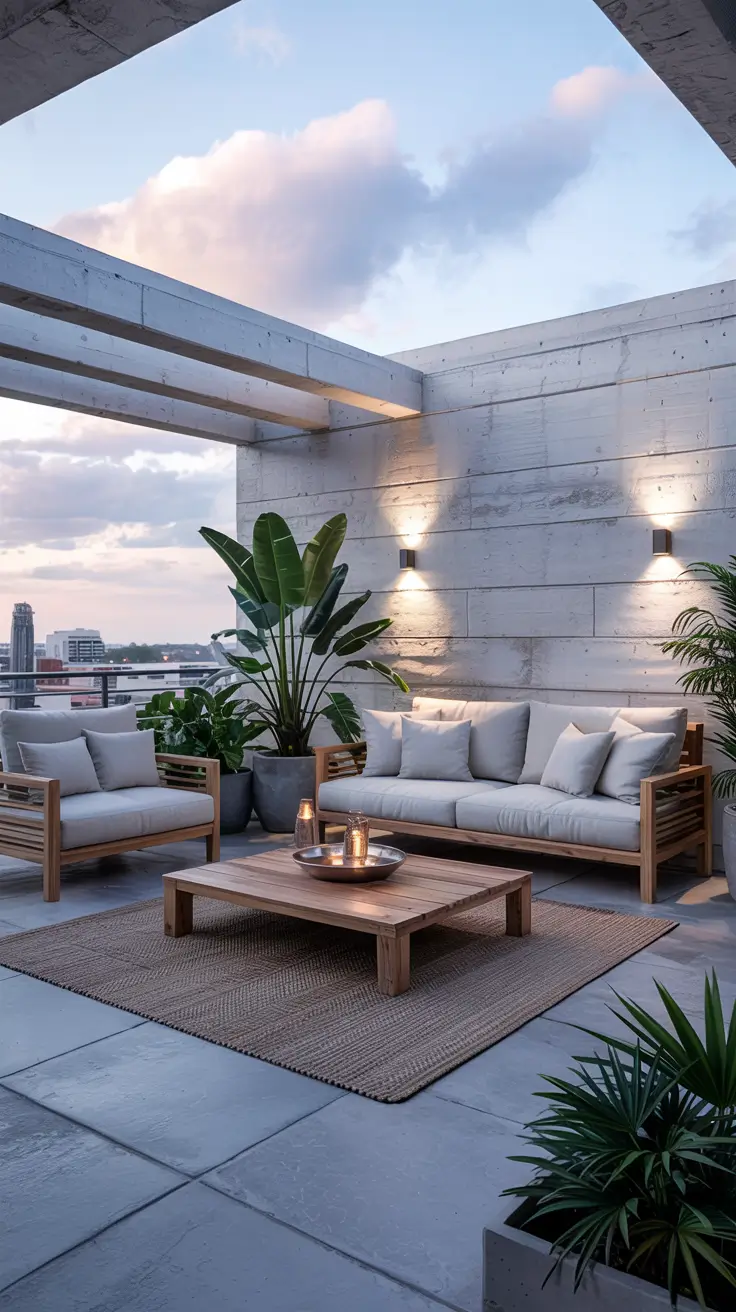
I usually design these spaces with low-profile furniture, neutral textiles, and minimal decor. Concrete, wood, and metal are balanced to avoid visual coldness. Lighting is subtle and indirect, enhancing the atmosphere without drawing attention to itself.
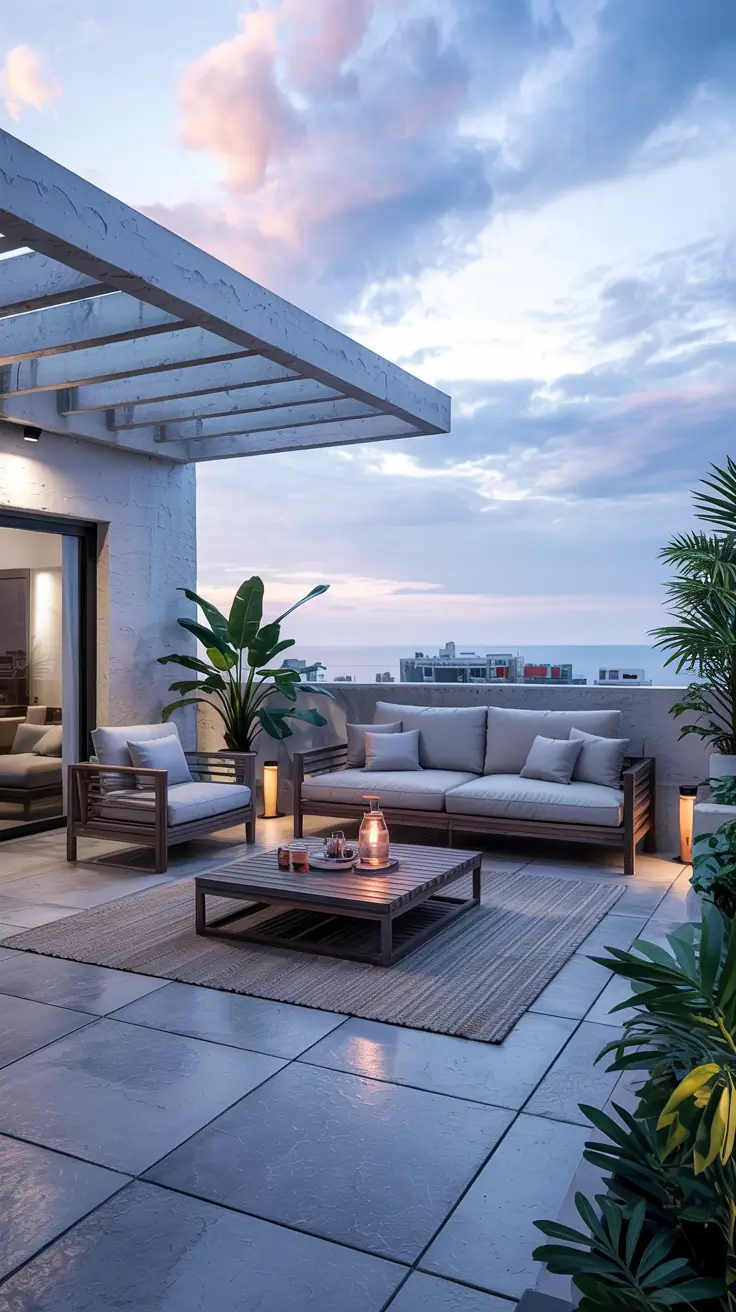
Personally, I think minimalist rooftops are ideal for people who value clarity and calm. Designers from Kinfolk often emphasize intentional living through fewer, better pieces. What’s often missing is warmth—adding textured cushions or natural wood accents makes minimalism feel inviting.
Everyday Outdoor Living Rooftop Terraces
Everyday Outdoor living rooftops are designed for routine, not just special occasions. In 2026, rooftops are treated as functional living spaces where people relax, work, and spend time daily.
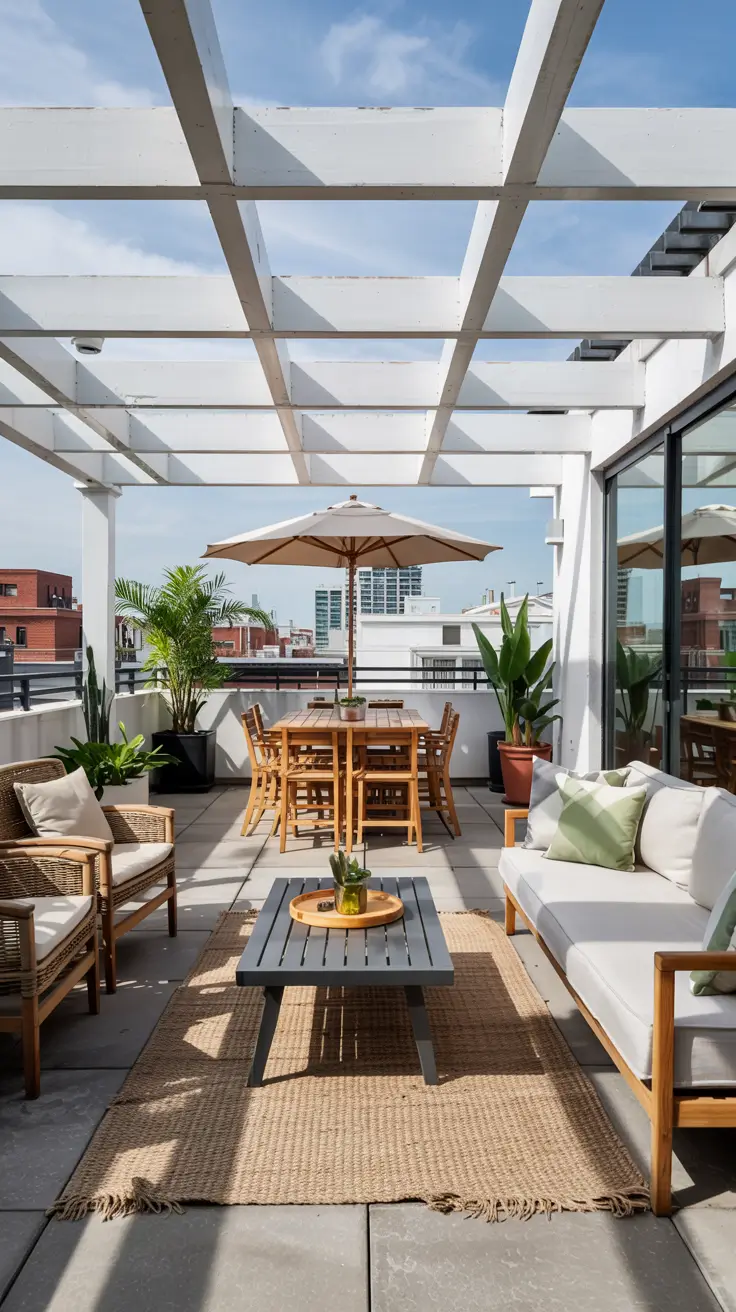
I focus on durable seating, practical tables, weather-resistant textiles, and flexible layouts. Outdoor sofas, dining sets, and shaded zones support different activities throughout the day. These rooftops feel lived-in rather than staged.
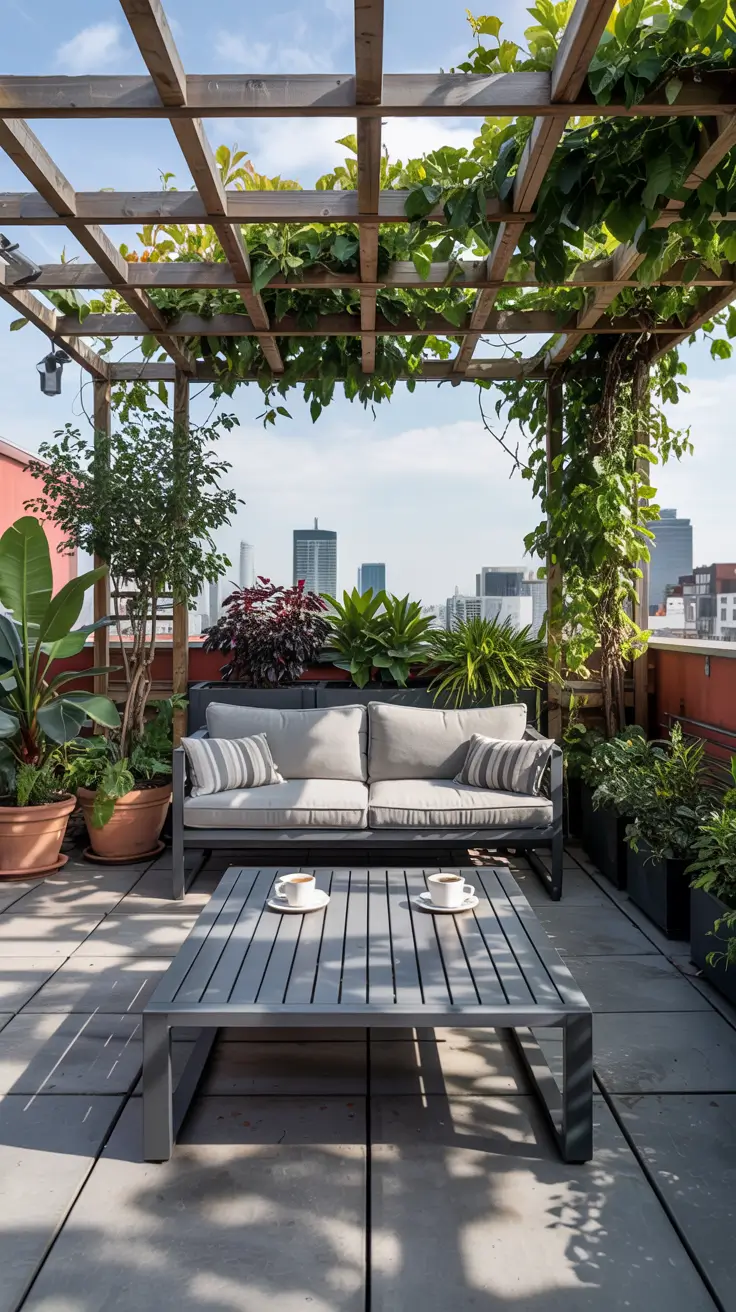
From my experience, outdoor living terraces succeed when they reflect real habits. Interior designers from Better Homes & Gardens often stress designing for lifestyle first. What I would still add is seasonal adaptability—portable heaters or light blankets extend usability well into cooler months.
Green Roof Garden Rooftop Terraces
Green rooftop terraces are becoming essential rather than optional in 2026. These spaces focus on integrating Roof gardens directly into the structure of the rooftop, creating environments that feel restorative and environmentally conscious at the same time.
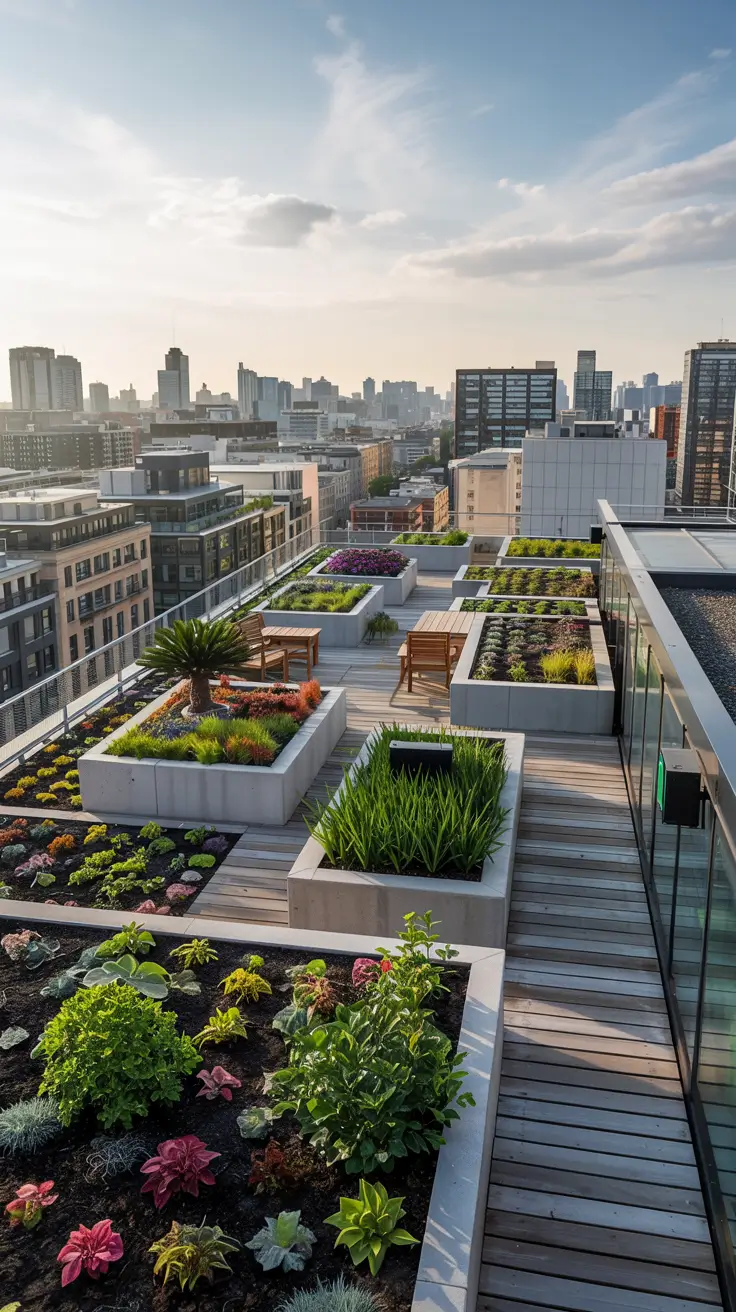
I design green rooftops with layered planting, raised beds, and durable surfaces that can coexist with soil and irrigation systems. Comfortable seating is woven between planters, allowing the terrace to function as both a garden and a relaxation area. The result is a rooftop that feels alive, not decorative.
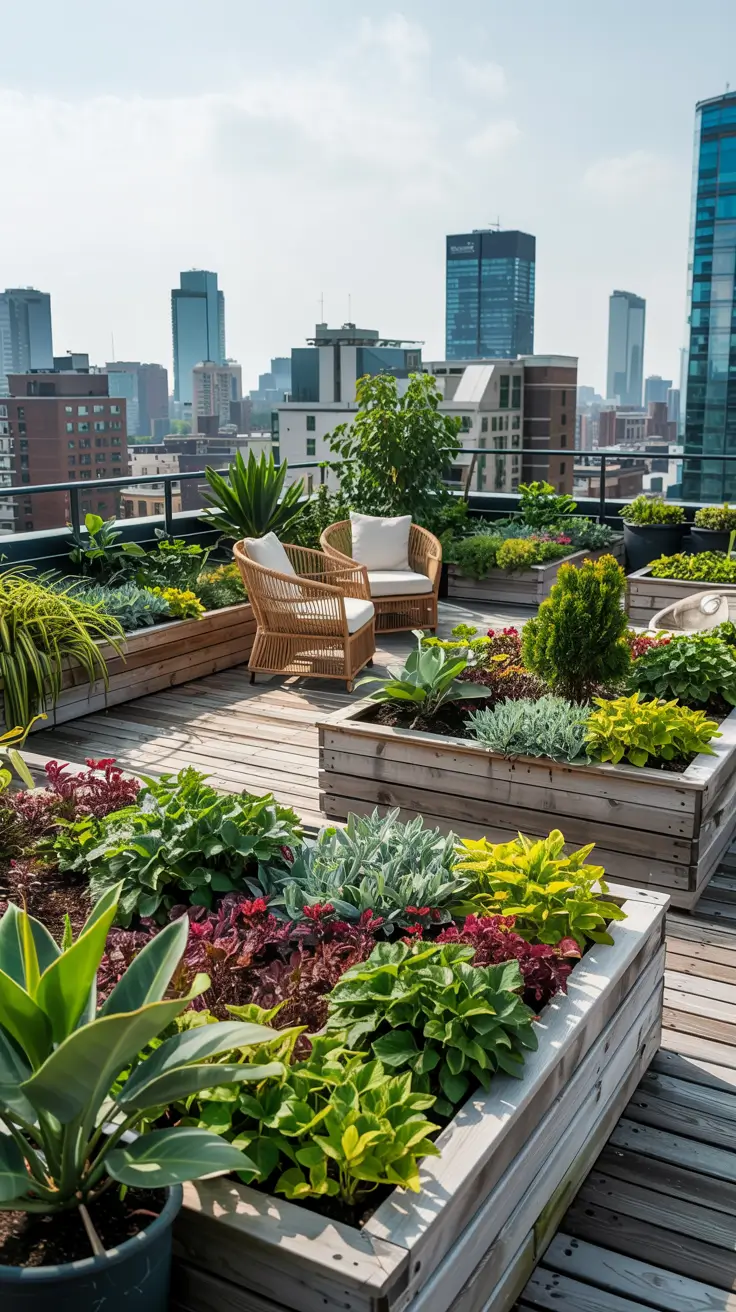
From my experience, green rooftops work best when maintenance is planned from the start. Landscape architects featured in Landscape Architecture Magazine often stress sustainability over excess. What I would still add is subtle nighttime lighting to highlight greenery without disrupting the natural feel.
Garden Focused Rooftop Terrace Design
A garden-focused rooftop terrace puts plants at the center of the design rather than treating them as accents. In 2026, this approach is about creating immersive green environments that soften urban settings.
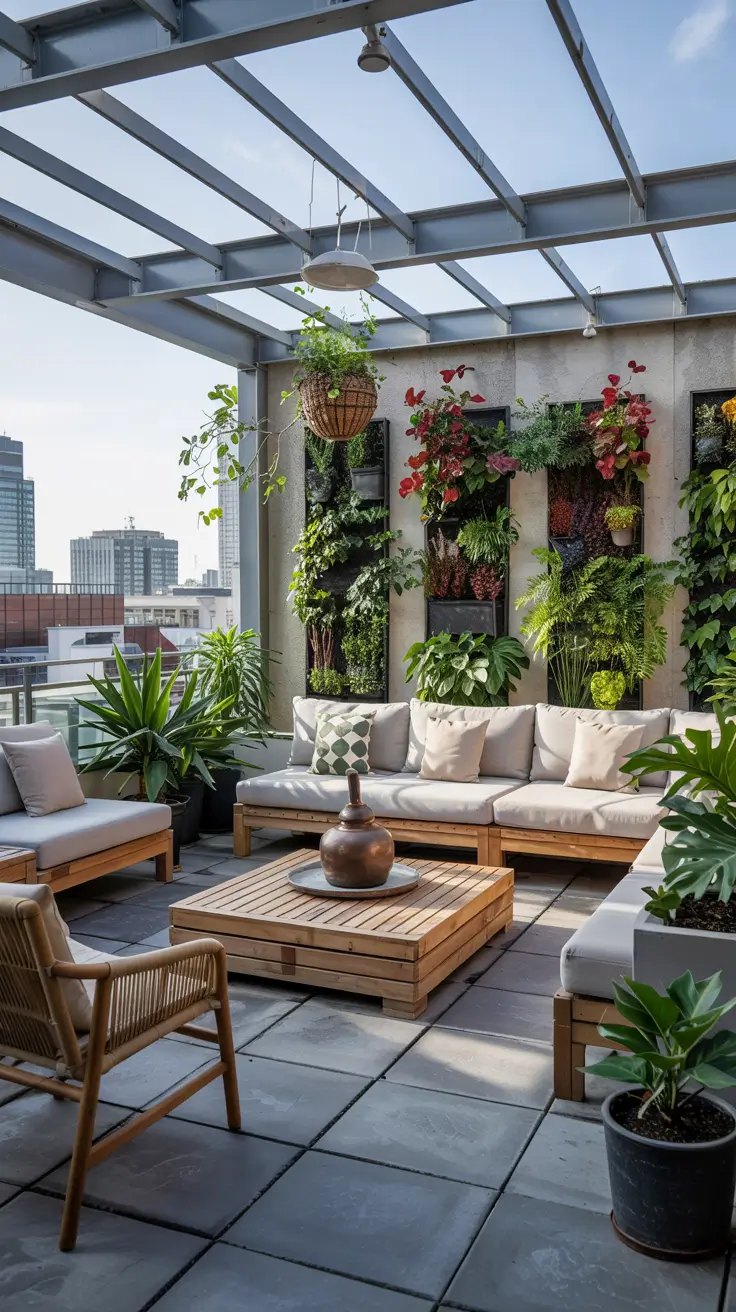
I usually structure these terraces around large planters, vertical gardens, and integrated seating. Furniture stays minimal so the greenery can take visual priority. Natural materials like wood and stone help connect the rooftop to the landscape theme.
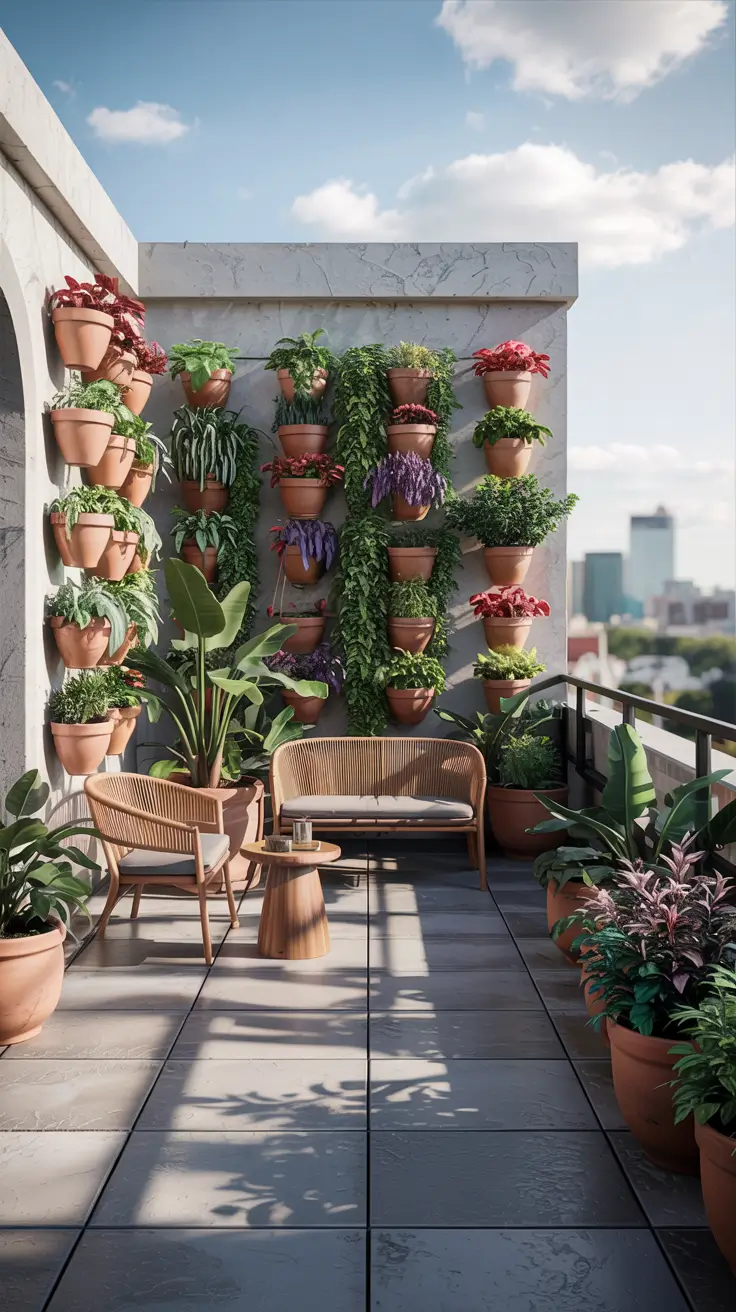
Personally, I believe garden-focused rooftops feel more personal and calming than heavily furnished spaces. Designers from The New York Times Home section often note that greenery improves how people use outdoor spaces. What’s often missing is proper drainage planning, which is critical for long-term success.
Lounge Style Roof Deck Outdoor Terraces
Lounge-style rooftops are designed for relaxation and socializing, and roof deck outdoor layouts are perfect for this purpose. These terraces feel casual yet intentional, encouraging people to linger.
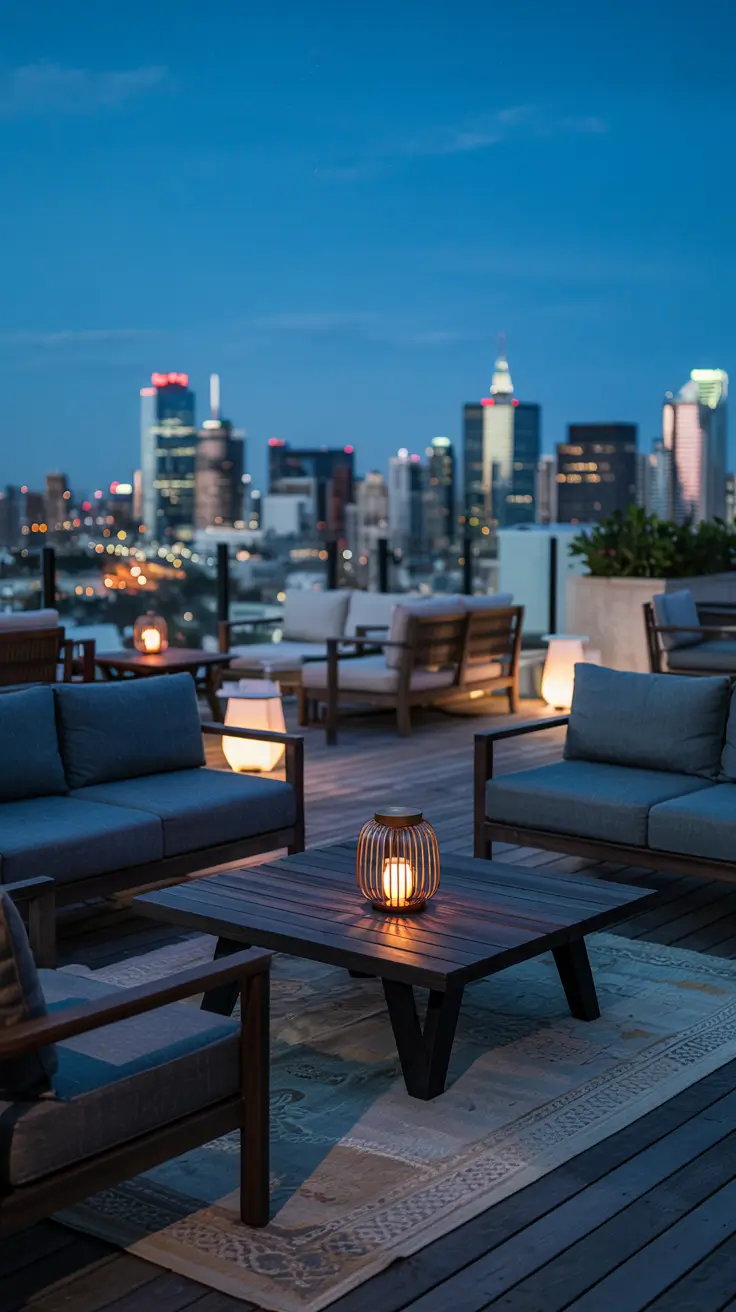
I design lounge rooftops with deep seating, outdoor sectionals, ottomans, and low tables. Textiles such as weather-resistant cushions and outdoor rugs add comfort and softness. Lighting plays a major role, creating a warm atmosphere after sunset.
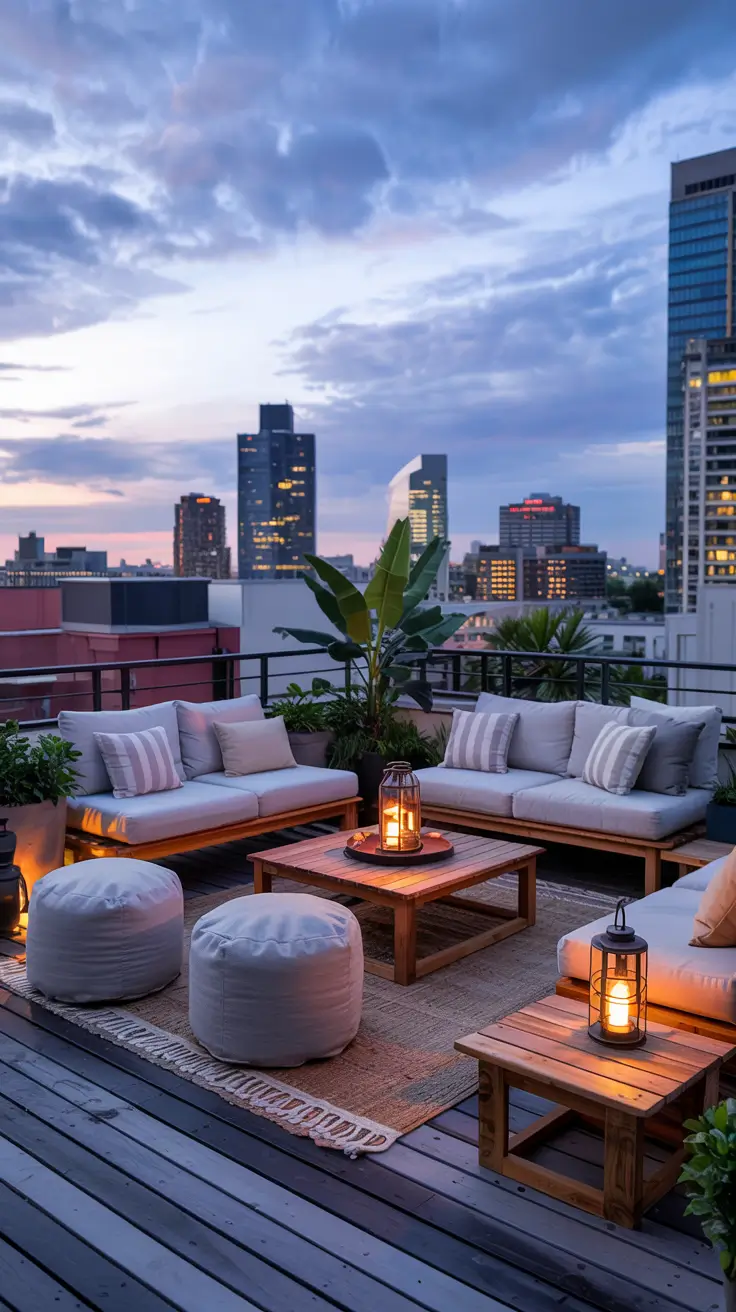
From my point of view, lounge terraces succeed when they feel inviting rather than staged. Hospitality designers often highlight the importance of seating depth and spacing. What I would add here is a flexible layout—movable furniture allows the space to adapt to different group sizes.
Roof Deck Garden Design Ideas
Roof deck garden concepts combine structure and greenery in a balanced way. In 2026, these terraces merge hard surfaces with planting to create usable yet visually rich environments.
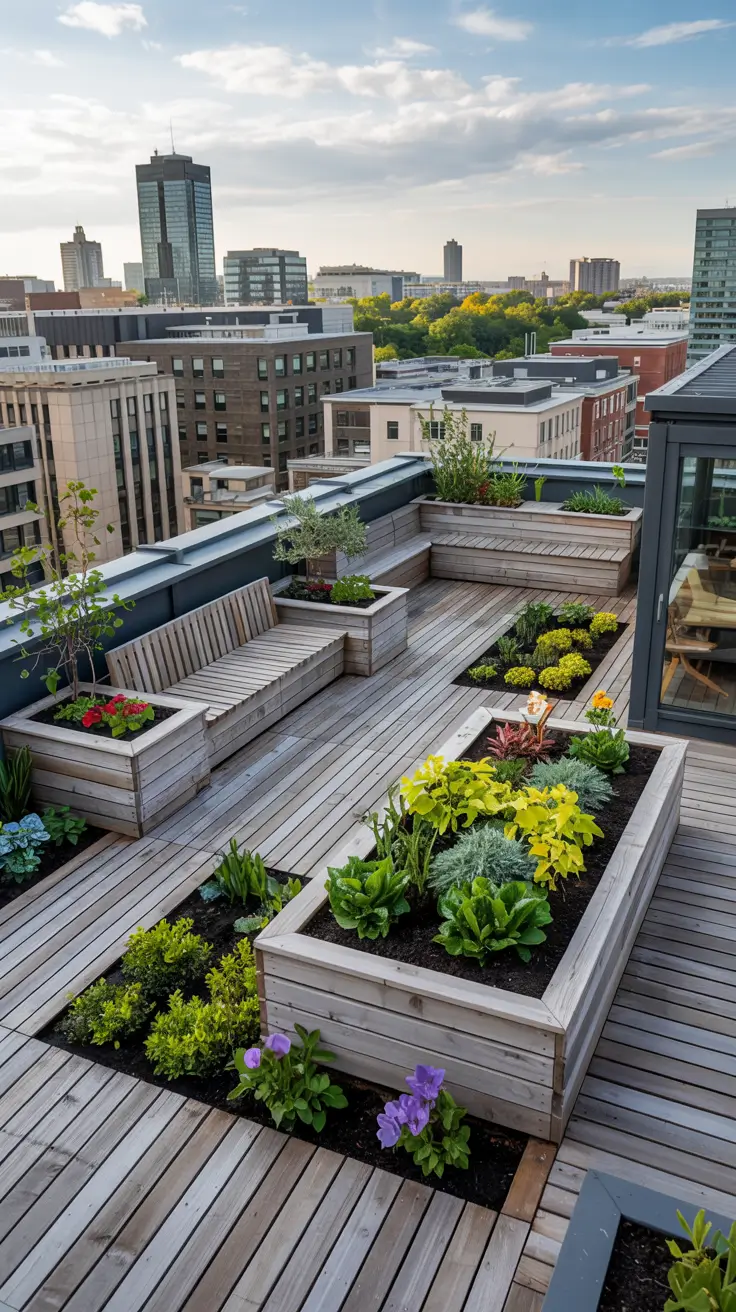
I usually pair deck flooring with raised planters and built-in benches. This allows greenery to frame the space without interrupting circulation. The deck remains functional for walking and seating, while the garden softens the overall look.
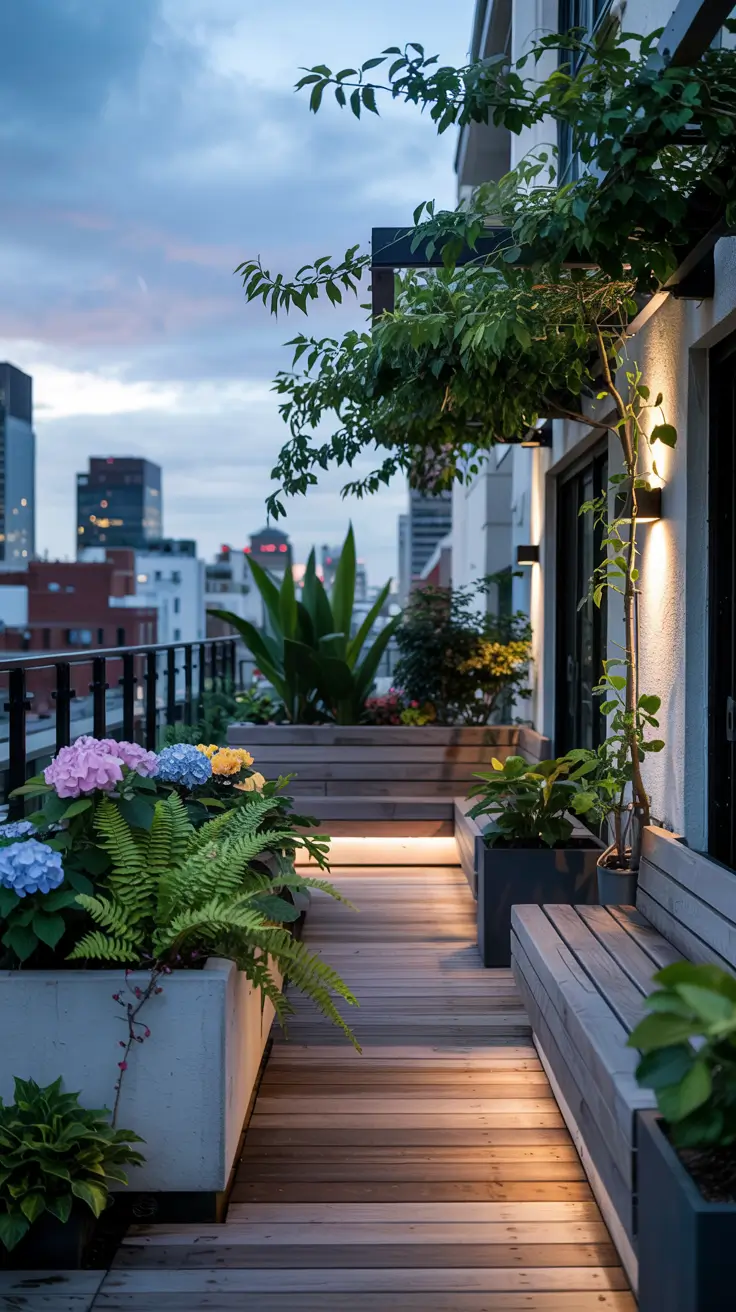
From my experience, roof deck gardens work best when planting is intentional and controlled. Designers writing for Better Homes & Gardens often emphasize harmony between plants and architecture. What I would still include is irrigation automation to simplify maintenance.
Architectural Rooftop Terrace Design
Architectural rooftop terraces focus on form, structure, and visual impact. These designs emphasize the roof as part of the building’s identity rather than just an outdoor surface.
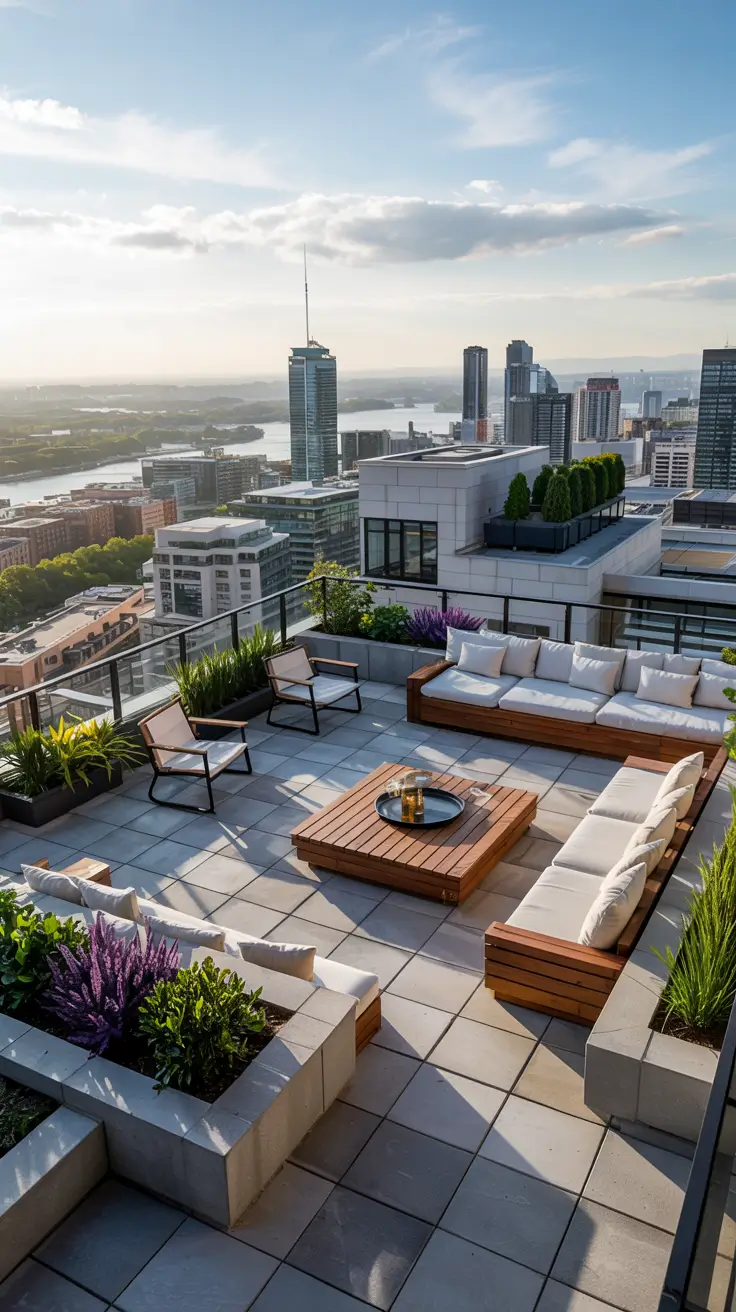
I often see strong lines, sculptural elements, and built-in furniture integrated into the structure itself. Materials like concrete, steel, and glass dominate, while decor remains minimal. The terrace feels like an extension of the architecture.
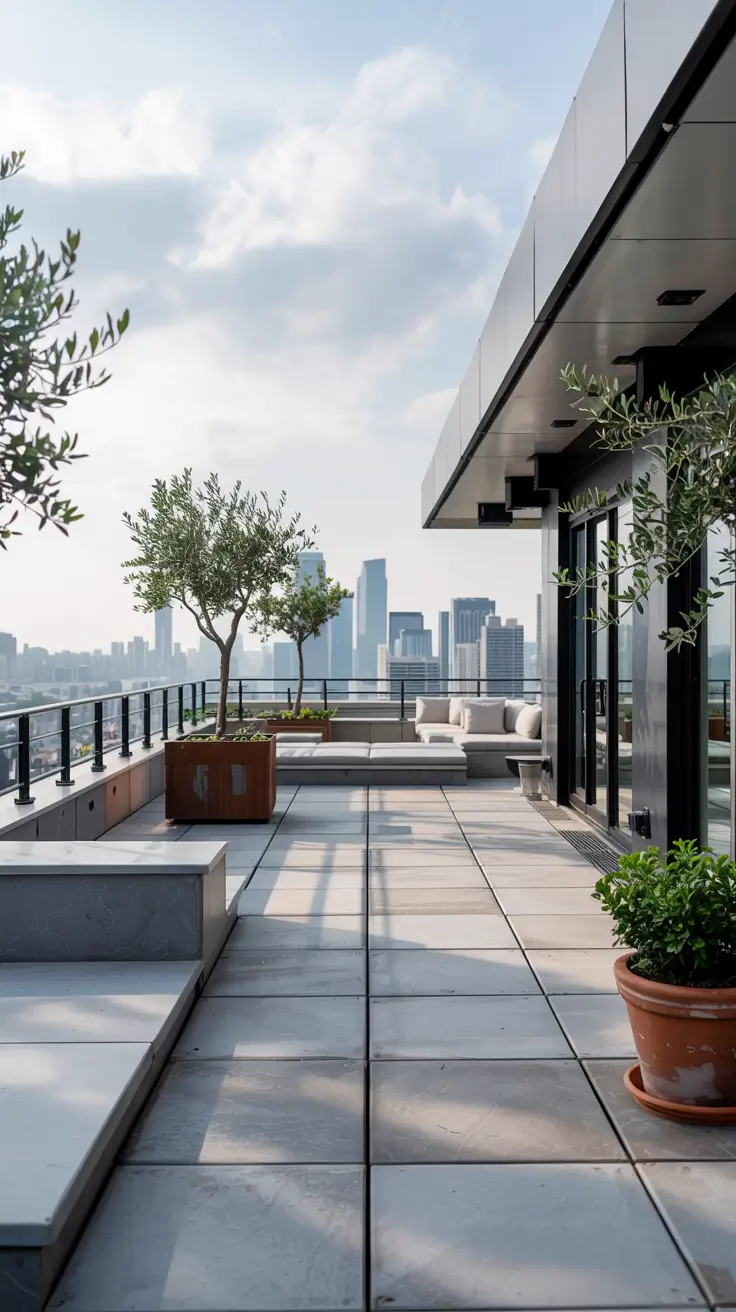
In my opinion, architectural rooftops benefit from a single bold focal point. Architects featured in ArchDaily often stress clarity of concept. What I would add here is a touch of softness—plants or textiles—to balance the hard edges.
Balcony Style Rooftop Terrace Layouts
Balcony-style rooftop terraces adapt familiar Balcony layouts to larger rooftop spaces. This approach works especially well in apartment buildings and compact urban homes.
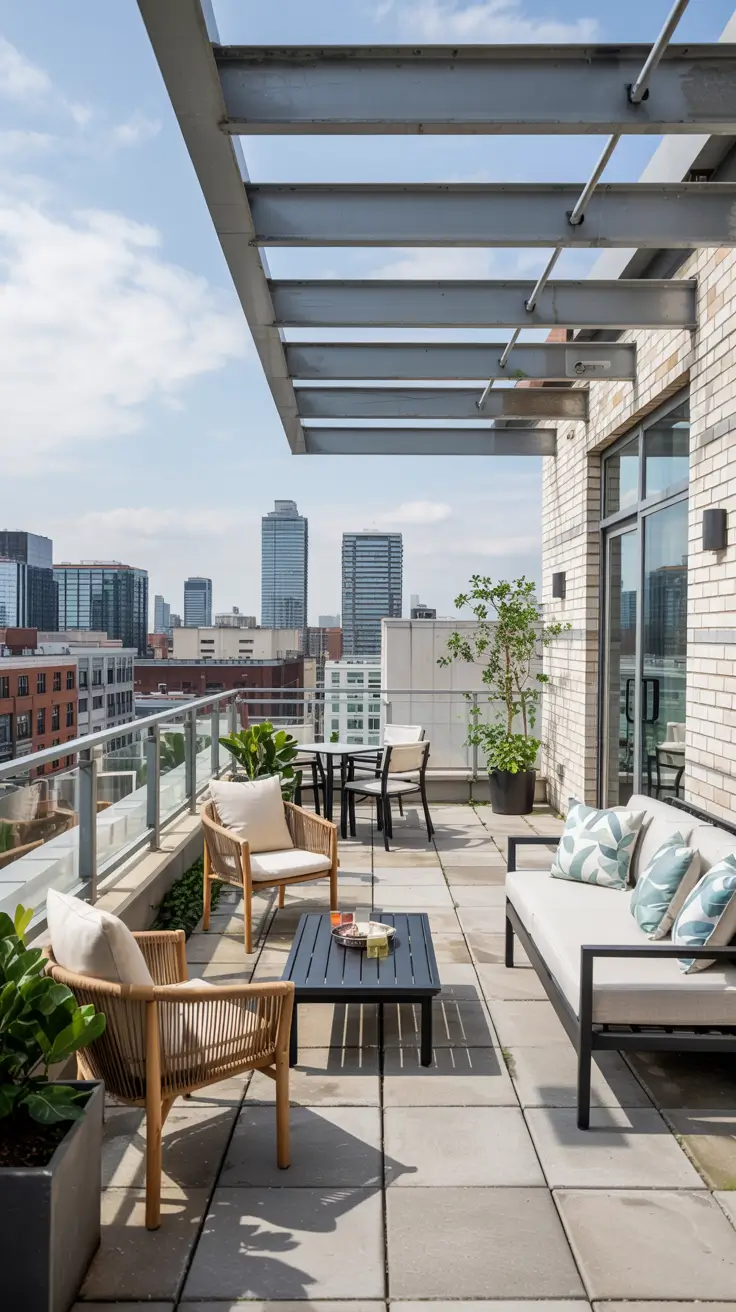
I design these terraces with linear seating, narrow tables, and planters placed along edges. The layout feels structured and efficient, making the rooftop easy to navigate. Glass railings enhance openness and views.
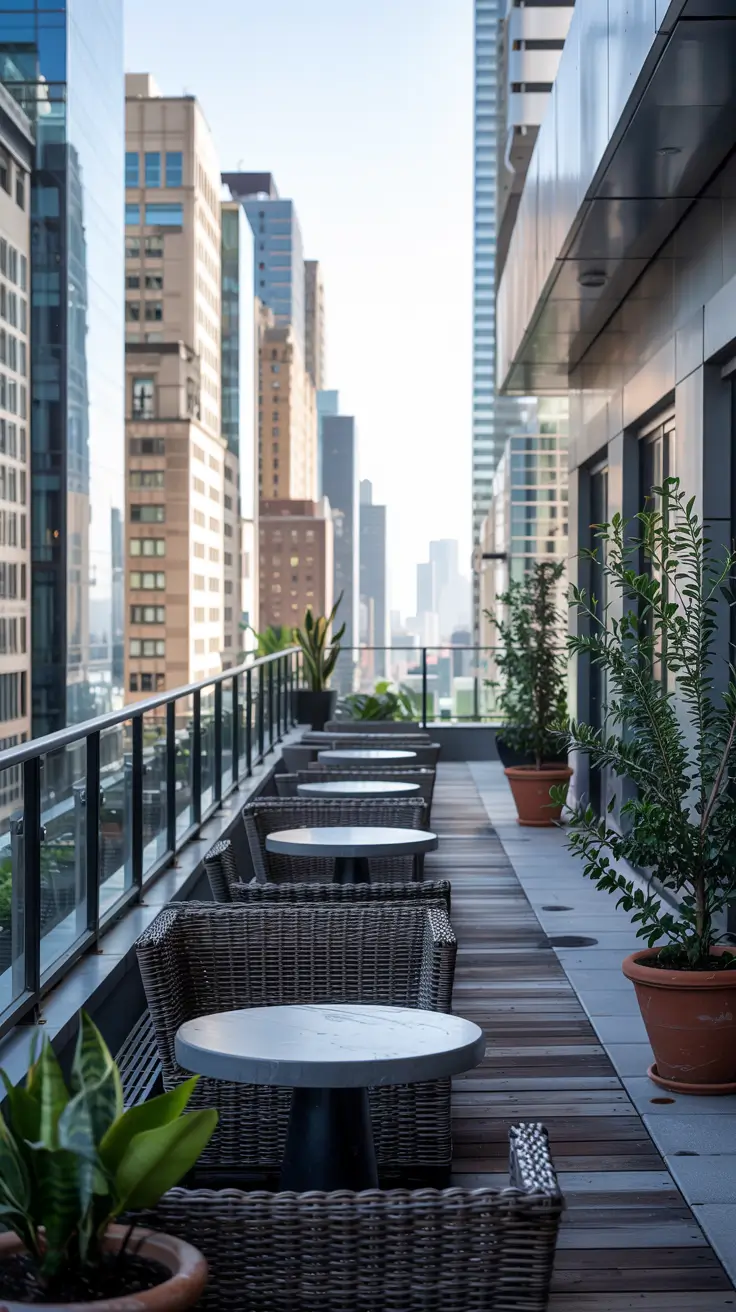
From my experience, balcony-style rooftops feel intuitive and user-friendly. Designers from Apartment Therapy often recommend this approach for urban living. What’s often missing is layered lighting, which adds depth and improves nighttime usability.
Minimalist Rooftop Terrace Ideas
Minimalist rooftop terraces strip the space down to its essentials. In 2026, this style focuses on clarity, proportion, and calm rather than decoration.
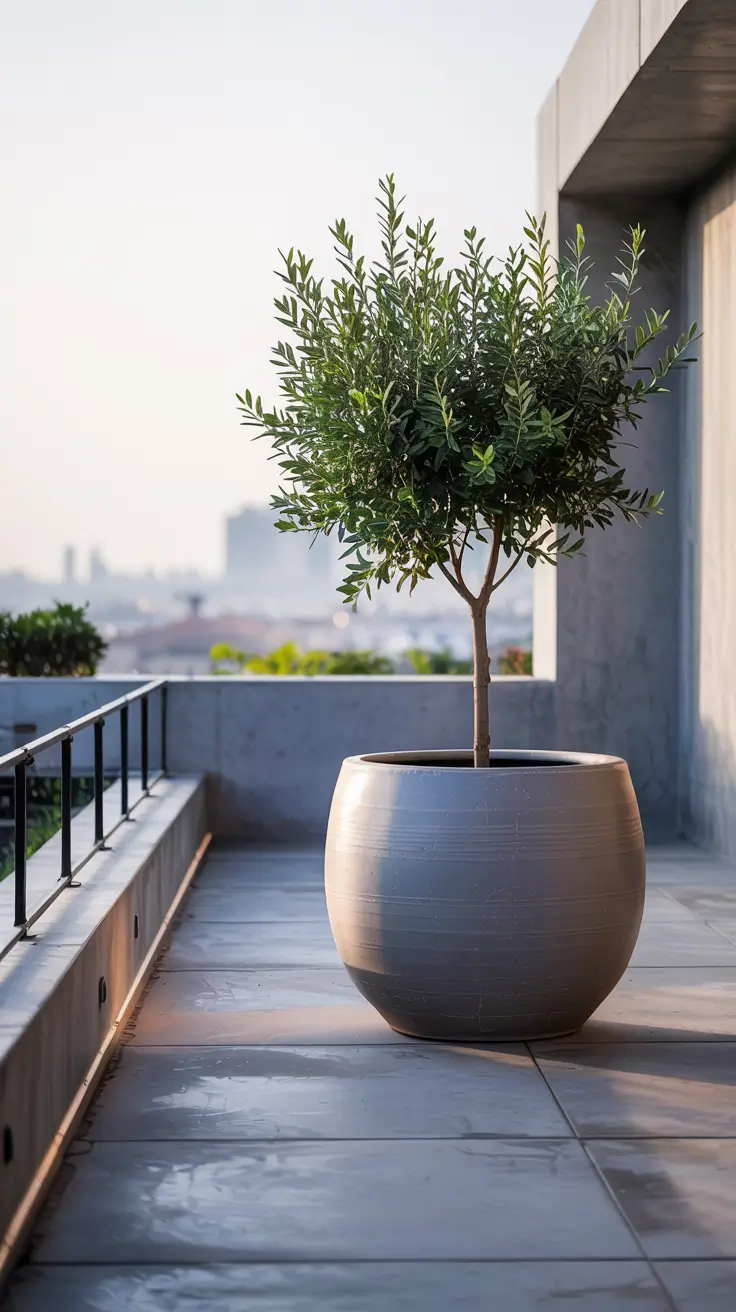
I use a limited palette, simple furniture forms, and intentional spacing. Each piece earns its place, and negative space becomes part of the design. This approach creates a rooftop that feels open and refined.
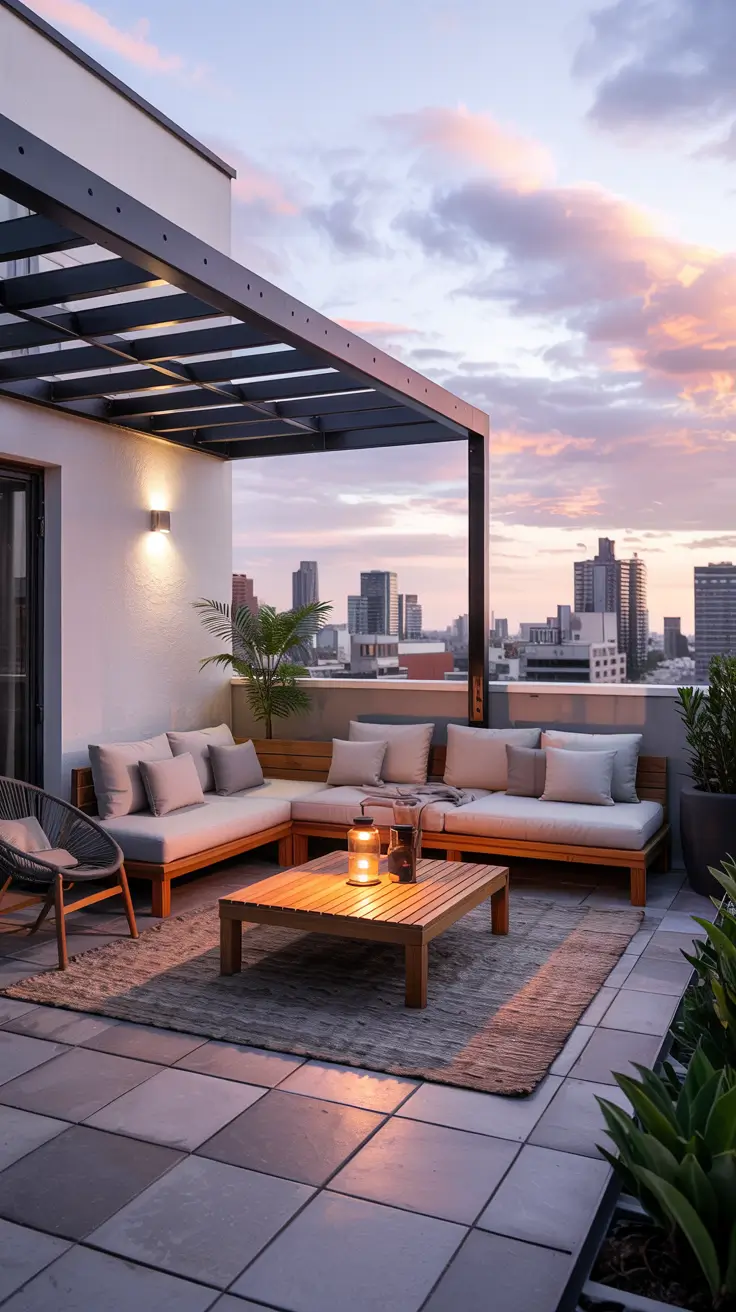
Personally, I find minimalist terraces ideal for mental clarity. Design publications like Kinfolk often highlight minimalism as a lifestyle choice. What I would still add is one tactile element—wood, stone, or textured fabric—to keep the space from feeling too stark.
Dining And Relaxing Rooftop Terraces
Rooftop terraces designed for dining and relaxation are becoming a central part of modern homes in 2026. These spaces balance comfort and functionality, allowing people to eat, unwind, and socialize without leaving home.
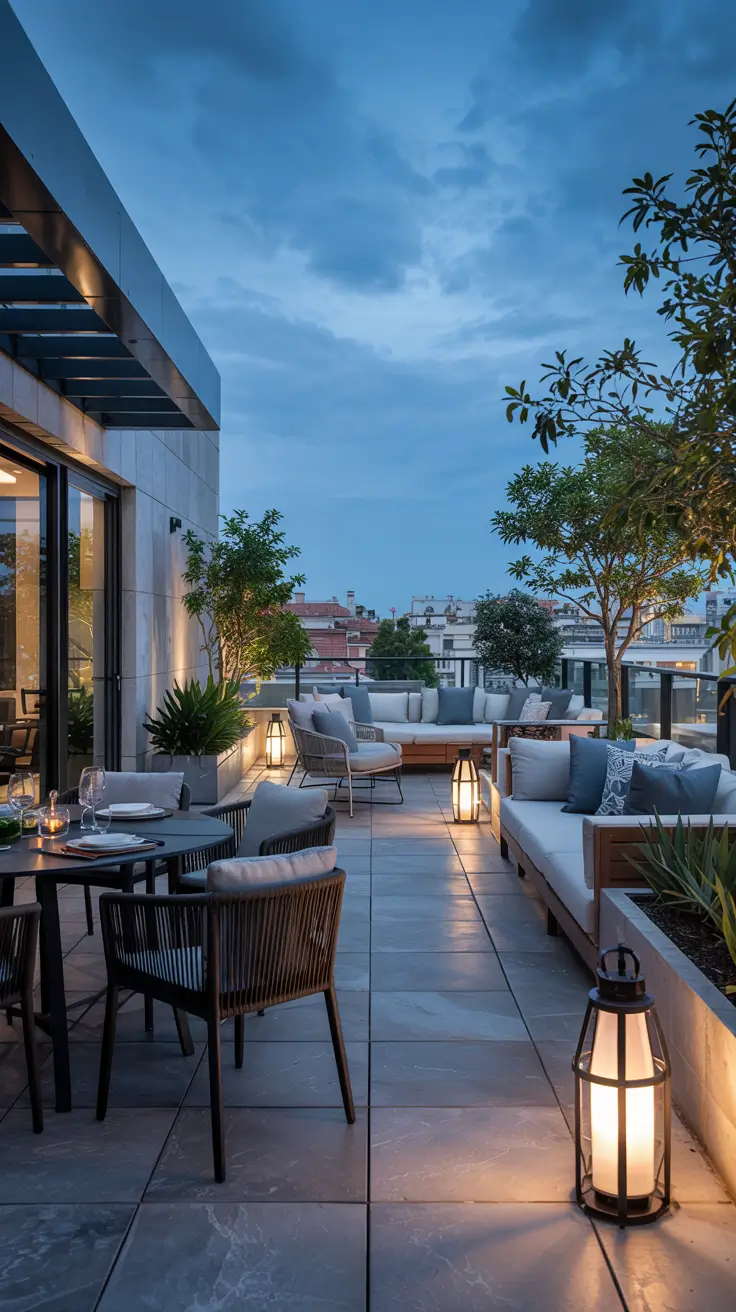
I usually design these terraces with a clear dining zone and a separate relaxation area. Outdoor dining tables with weather-resistant chairs, soft lounge seating, and layered lighting create a welcoming atmosphere. This setup supports everyday outdoor living while still feeling refined.
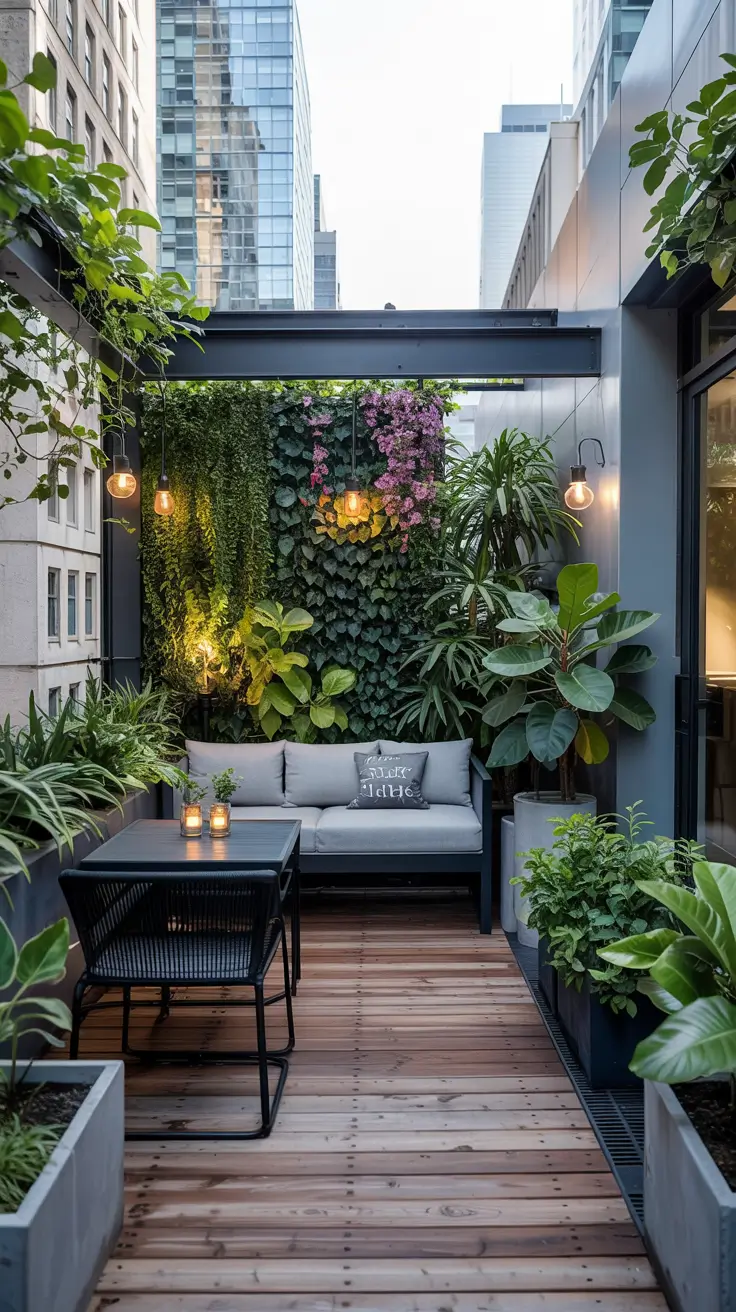
From my experience, dining rooftops work best when furniture proportions are carefully chosen. Designers from House Beautiful often stress comfort over scale. What I would add here is flexible lighting—dimmable fixtures or lanterns—to adapt the mood from day to night.
Private Roof Garden Rooftop Terraces
Privacy is a major priority in rooftop design, and private roof garden terraces address this beautifully. These rooftops use greenery and layout to create intimate environments above the city.
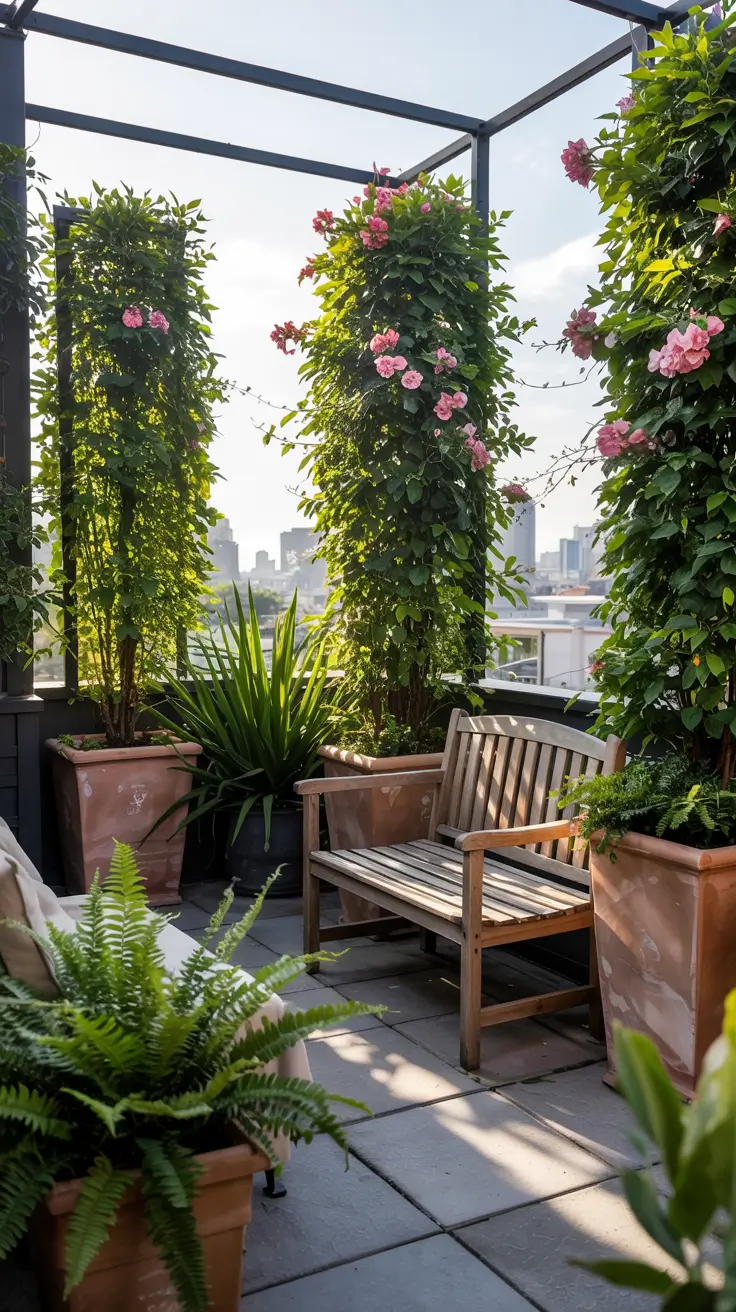
I design private rooftops with tall planters, layered shrubs, and strategic screening. Seating is placed within the greenery rather than exposed to the edges. These roof gardens feel secluded while still open to light and air.
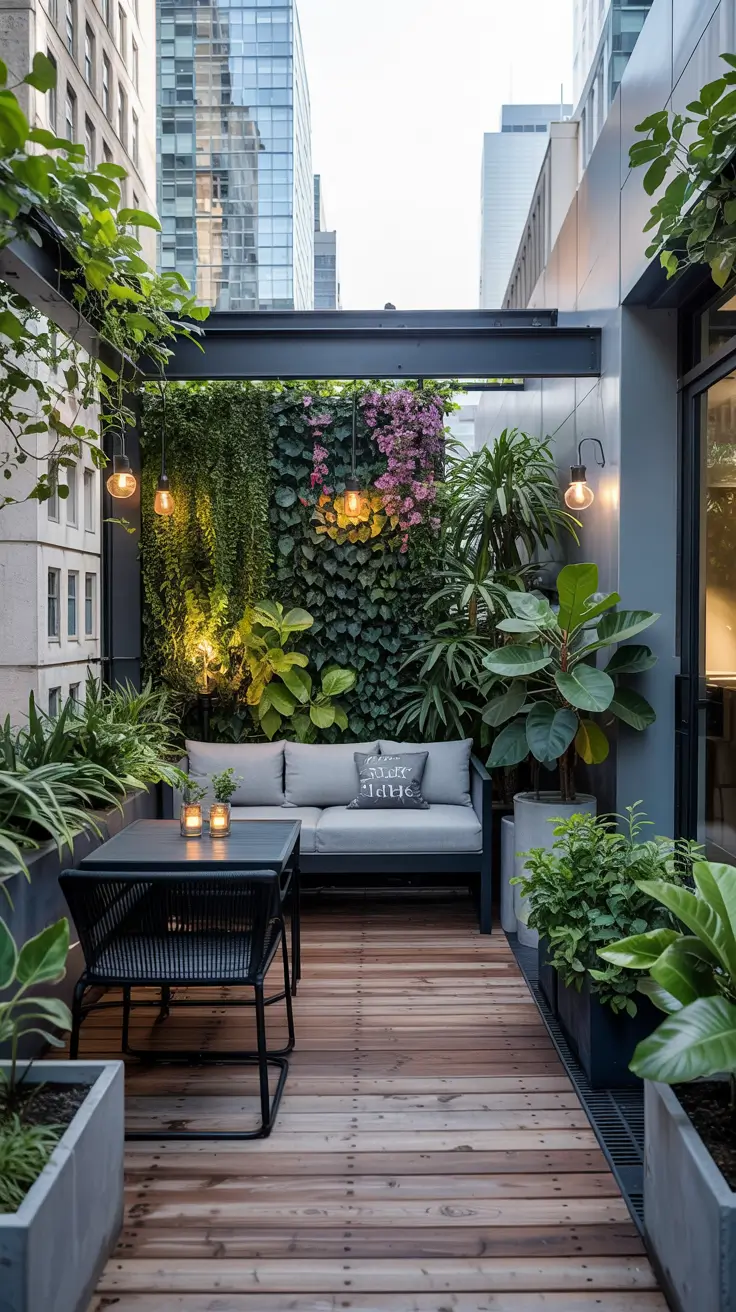
Personally, I believe privacy encourages more frequent use of the terrace. Landscape designers often highlight plant-based screening as the most natural solution. What I would still include is sound-softening elements like water features or dense foliage.
Seasonal Garden Rooftop Terrace Design
Seasonal rooftop gardens are designed to evolve throughout the year. In 2026, these terraces prioritize adaptability, ensuring the garden remains attractive and usable across different seasons.
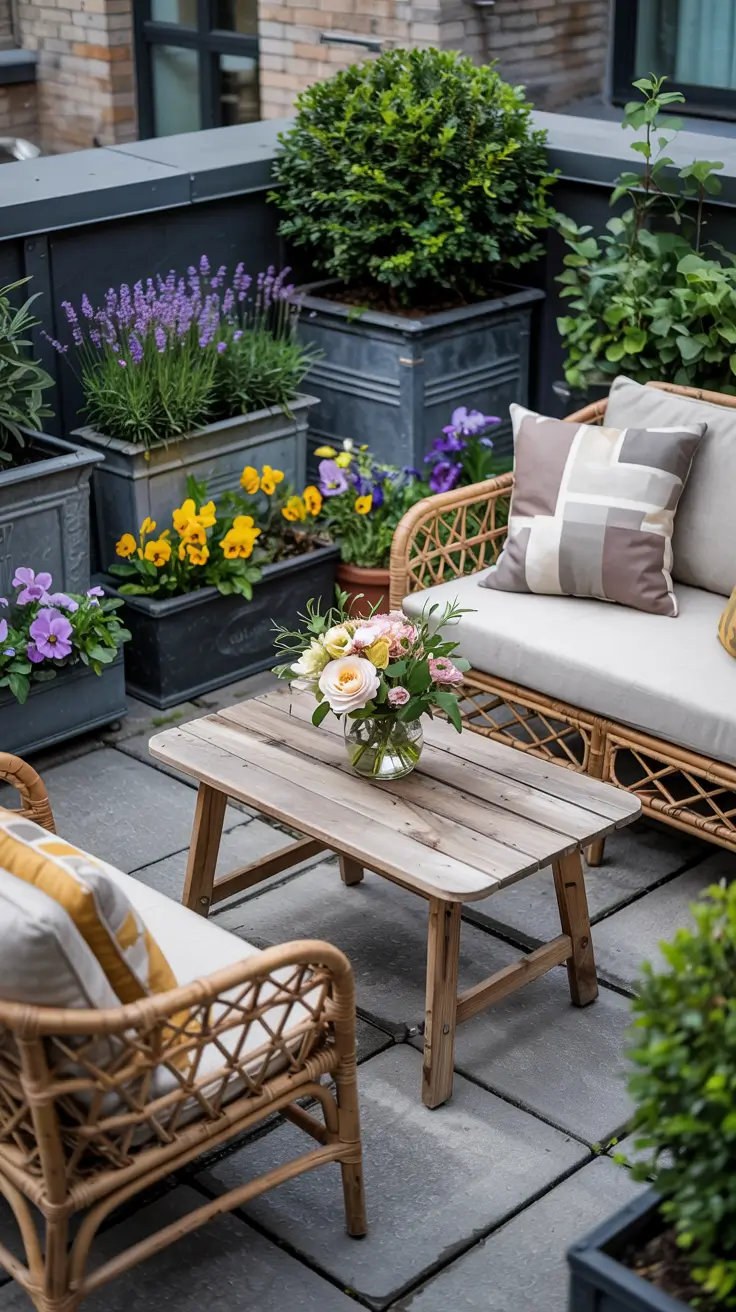
I plan seasonal rooftops with a mix of evergreen plants, seasonal blooms, and movable planters. Furniture is chosen for durability, and textiles can be swapped as temperatures change. This approach keeps the rooftop visually fresh year-round.
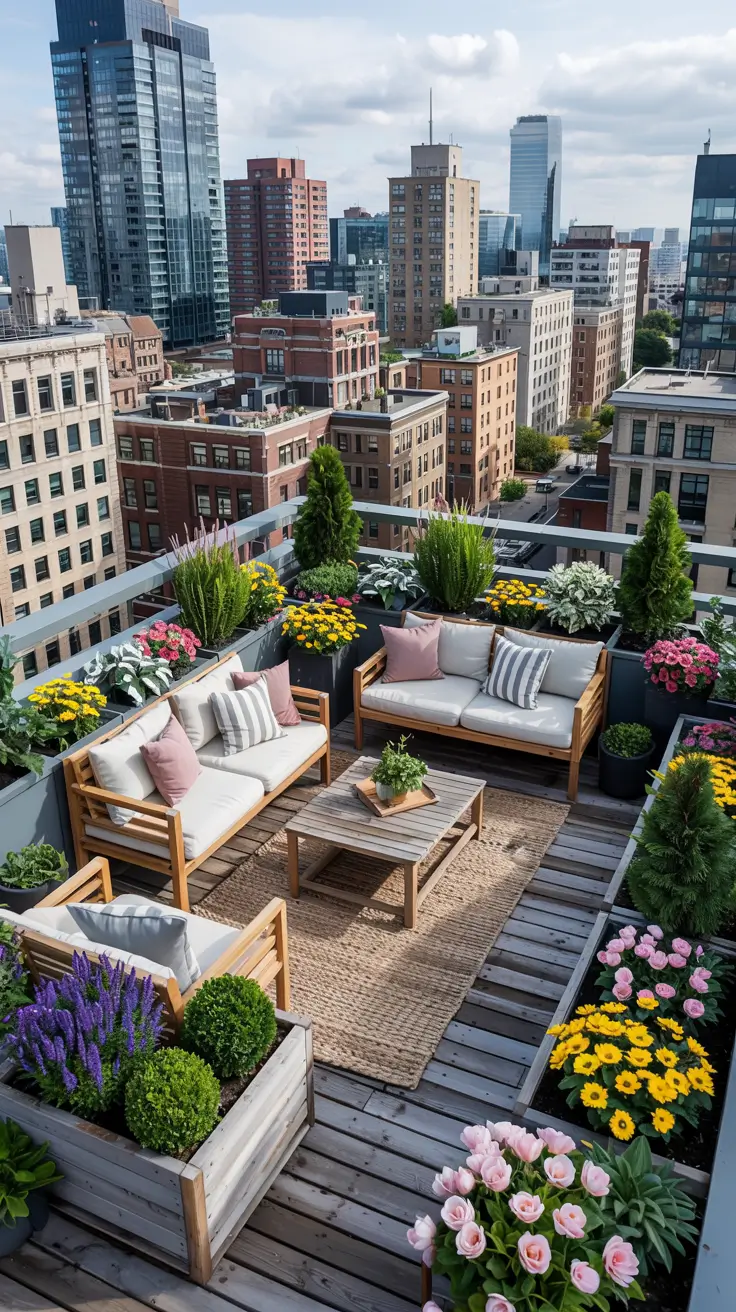
From my experience, seasonal planning prevents rooftops from feeling neglected. Garden designers featured in Sunset Magazine often recommend layering plants for continuous interest. What I would add here is storage for seasonal accessories like cushions and heaters.
Open Air Roof Deck Outdoor Ideas
Open-air rooftop terraces emphasize freedom and unobstructed views. Roof deck outdoor ideas in 2026 focus on maximizing exposure to light, sky, and surroundings.
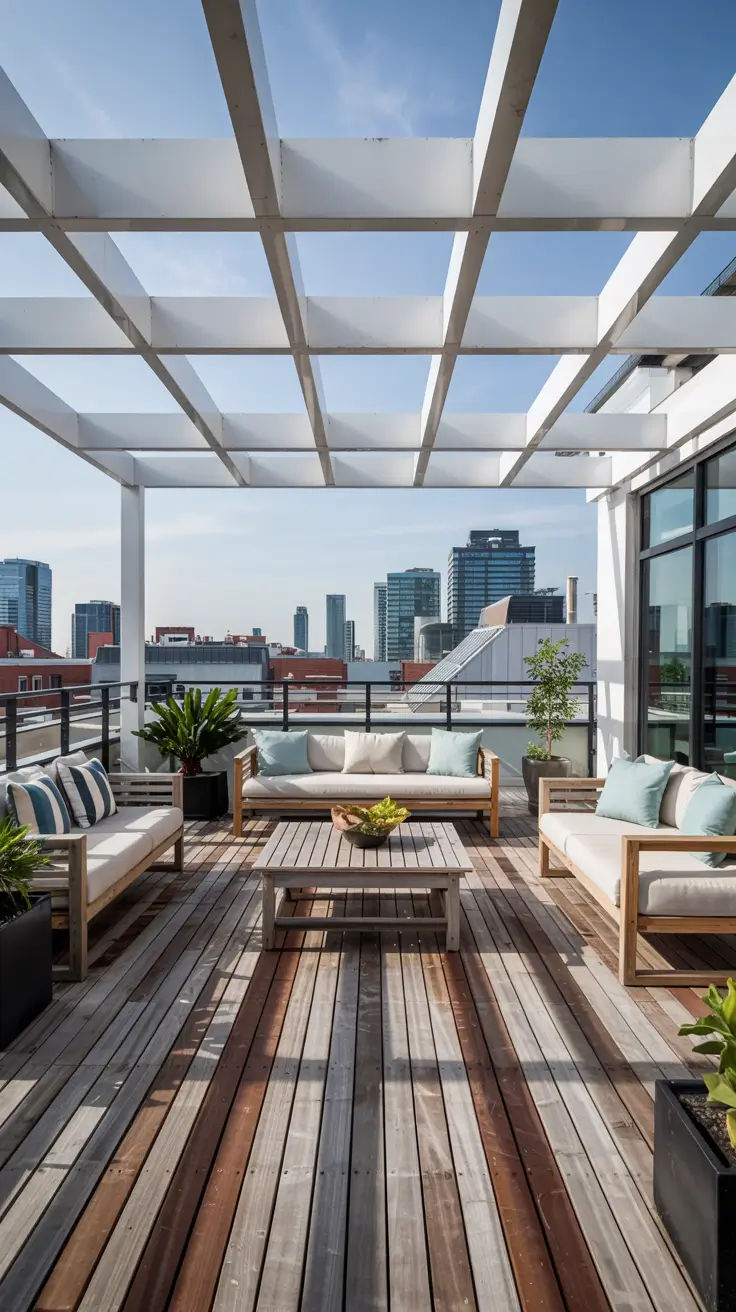
I design these rooftops with minimal overhead structures, low furniture, and open layouts. Decking materials are chosen for comfort and durability, allowing the space to remain functional in various weather conditions. The result is a rooftop that feels expansive and refreshing.
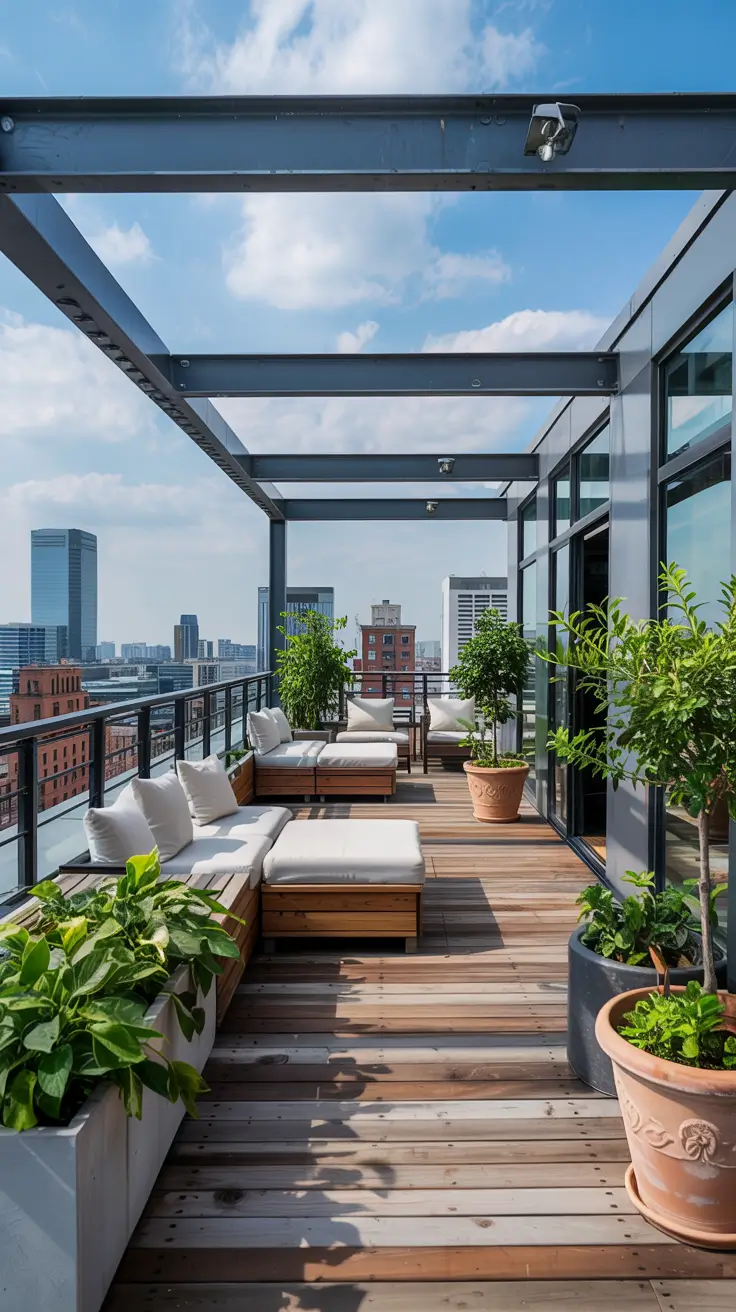
Personally, I think open-air rooftops are ideal for warm climates and city views. Architects often note that openness enhances spatial perception. What I would still add is portable shade—umbrellas or sails—for flexibility.
Natural Roof Deck Garden Terraces
Natural rooftop terraces blend deck surfaces with organic elements to create calming environments. These roof deck garden designs prioritize texture, warmth, and connection to nature.
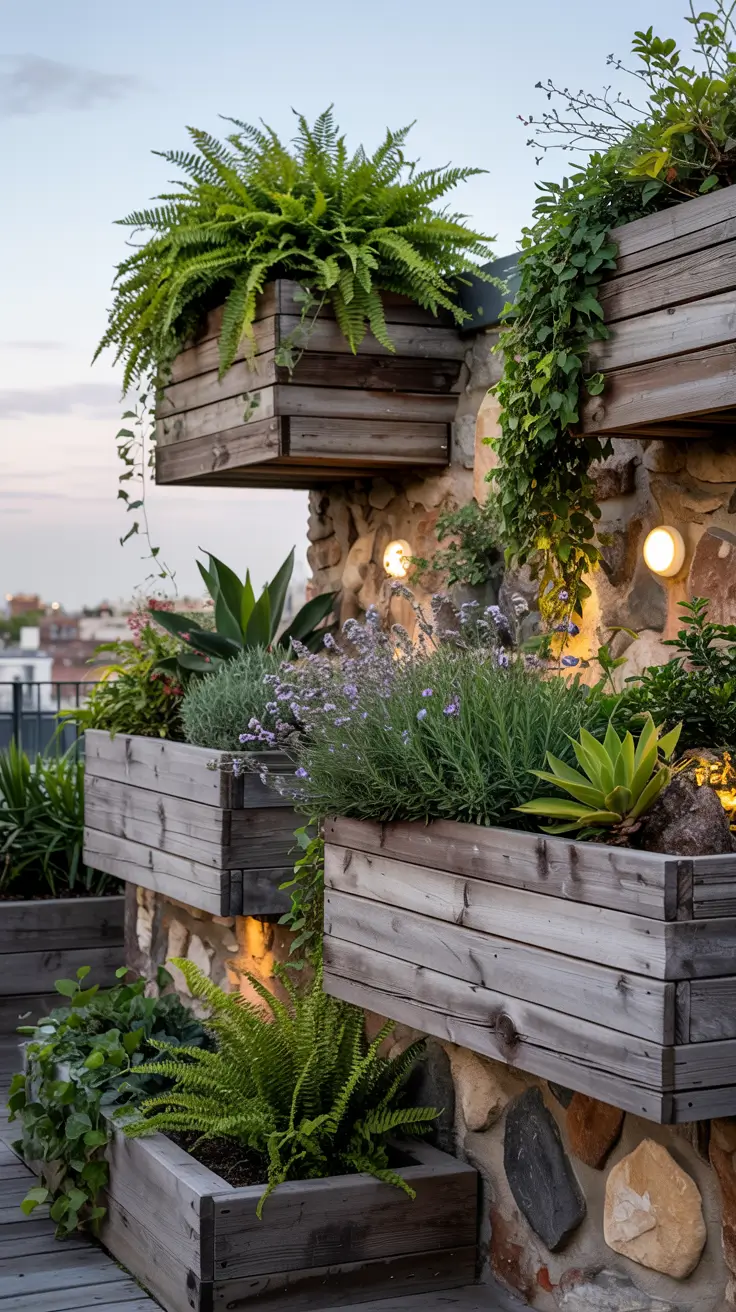
I combine wooden decking with stone accents, natural fabrics, and abundant planting. Furniture remains simple, allowing materials and greenery to take center stage. The terrace feels grounded despite being elevated.
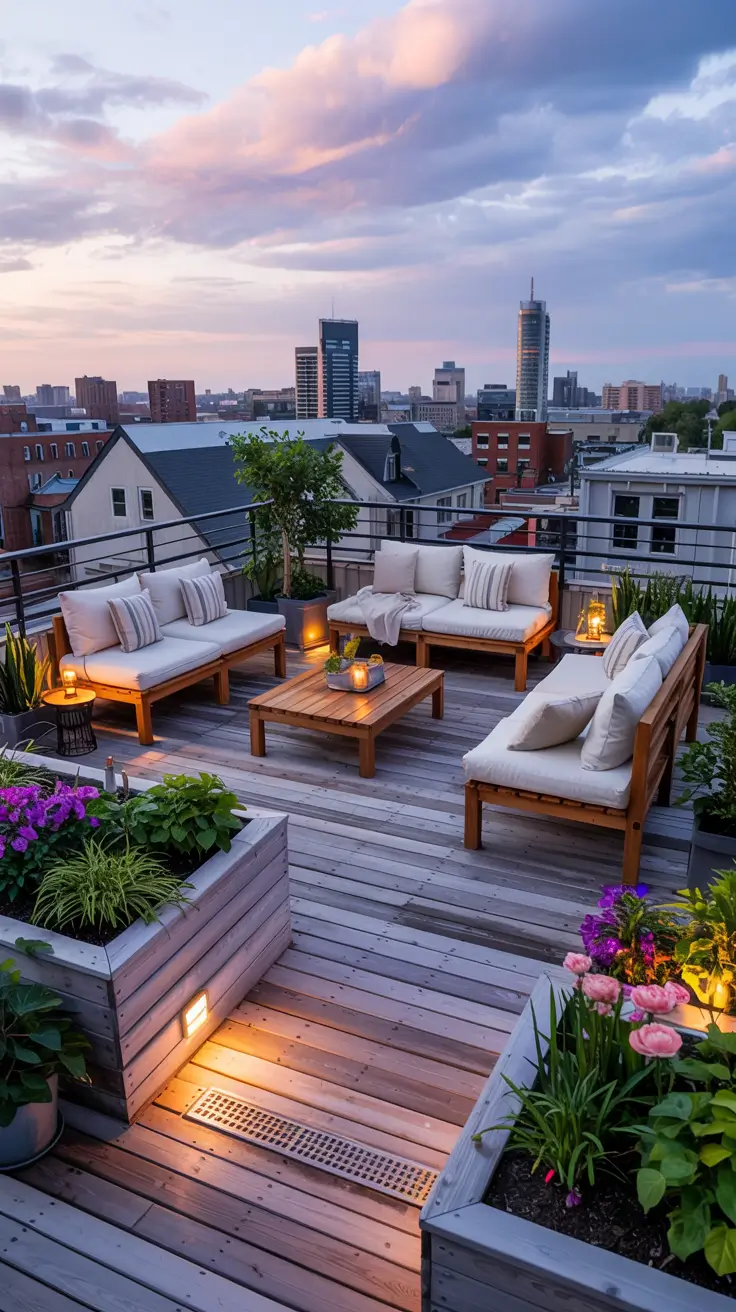
From my perspective, natural rooftops encourage relaxation and mindfulness. Designers from Gardenista often stress material authenticity. What I would add here is warm lighting—soft, low-level illumination enhances the natural atmosphere at night.
City View Rooftop Terrace Design
City-view rooftops are designed to frame the skyline as part of the experience. In 2026, these terraces are planned around sightlines and orientation.
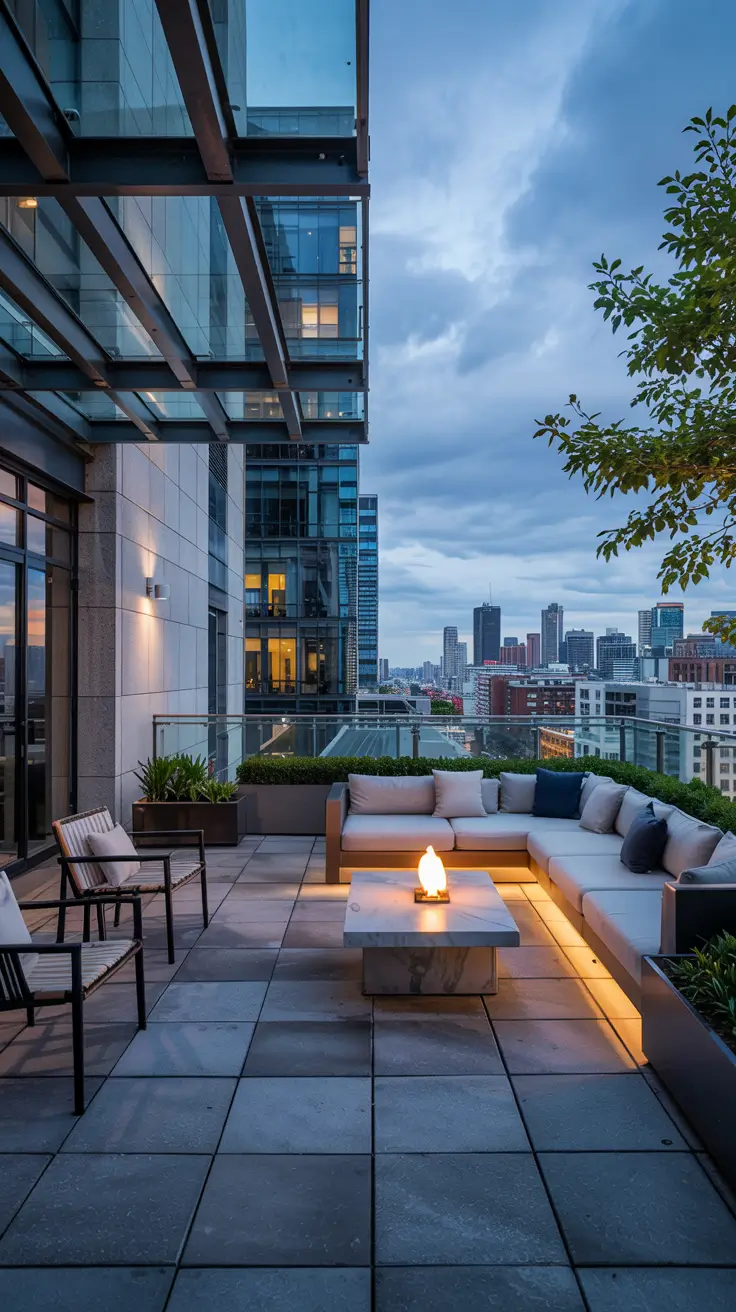
I position seating to face key views, keeping railings transparent and furniture low-profile. Lighting is subtle to avoid visual interference at night. These rooftops celebrate their urban context rather than hiding from it.
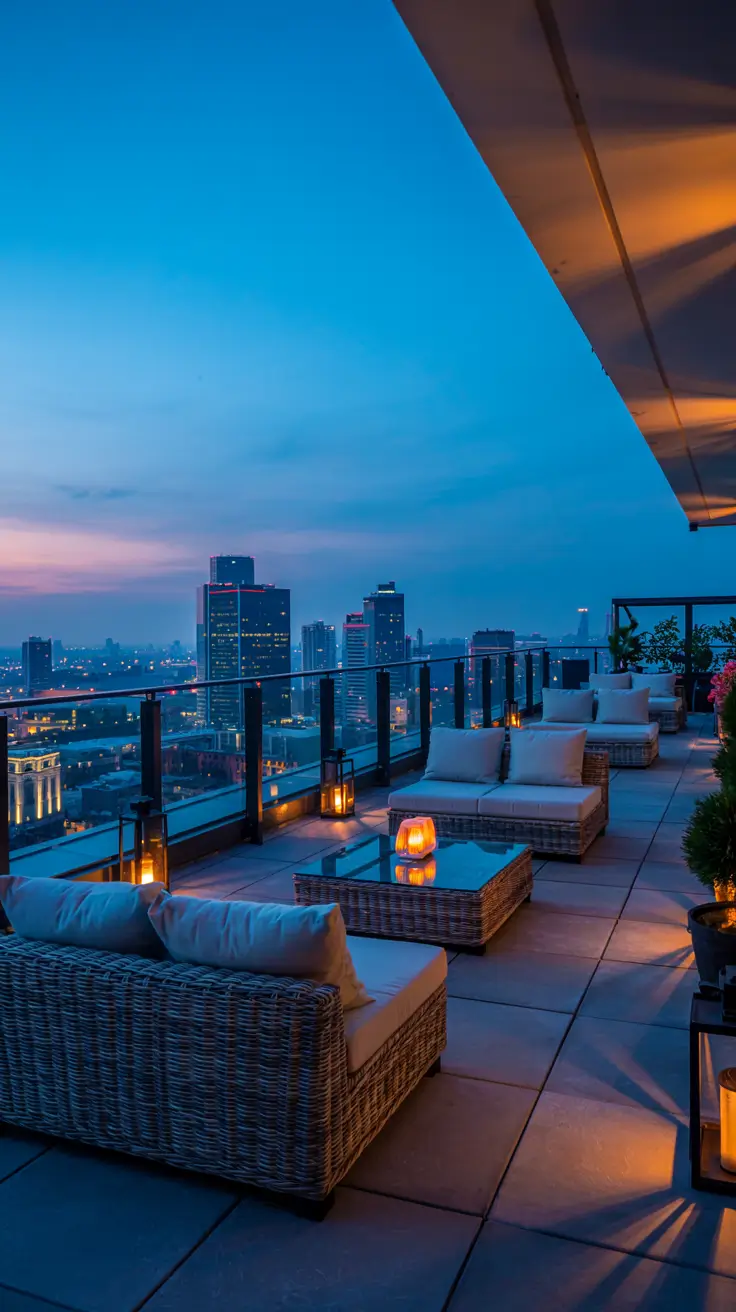
From my experience, city-view terraces benefit from thoughtful restraint. Architects from ArchDaily often emphasize view preservation. What I would add is wind protection—glass screens or planters—to improve comfort without blocking vistas.
Conclusion
Rooftop terraces in 2026 are no longer just design statements—they are places for daily life, rest, and connection. Whether you’re drawn to simple layouts, lush roof gardens, or functional roof deck outdoor spaces, the right design is the one that fits how you live. I’d love to know which idea resonated with you most—share your thoughts or rooftop dreams in the comments and let’s keep the conversation going.